
 Inquiry

 English
 中文简体
中文简体
Industry News
Home / News / Industry News / Why Synchronous Pulley Systems Are Critical in Reducing Mechanical Wear and Tear
2025-12-10
Content
In the world of mechanical engineering and industrial systems, reducing wear and tear on machinery is crucial for improving performance, extending the lifespan of components, and minimizing maintenance costs. One of the most effective ways to achieve this is through the use of synchronous pulley systems. These systems, commonly employed in various industries such as automotive, manufacturing, and material handling, offer several advantages over traditional mechanical drive systems. They not only improve energy efficiency but also play a key role in reducing mechanical stress, vibration, and wear.
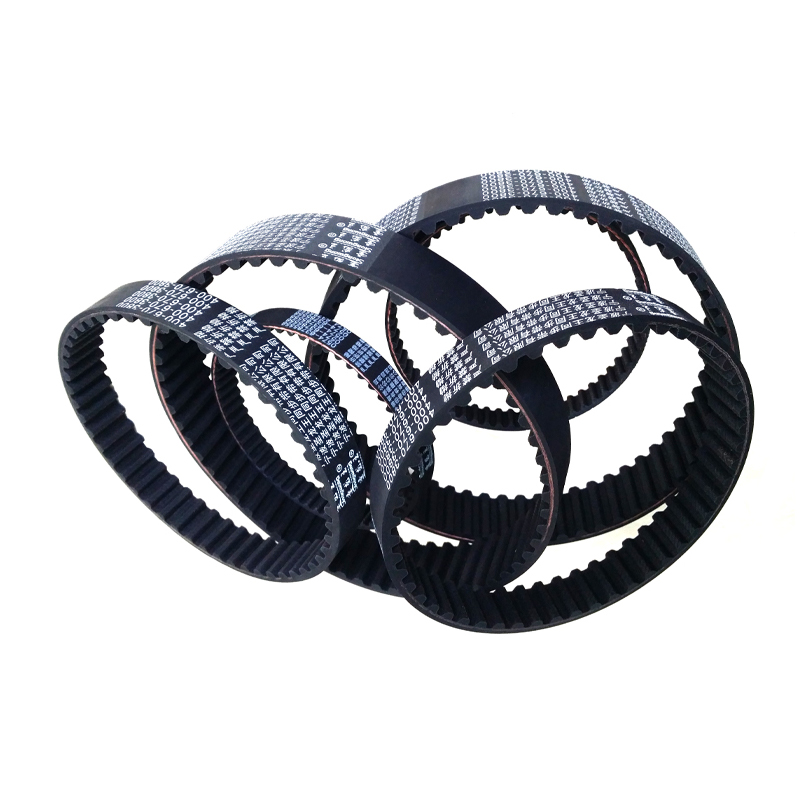
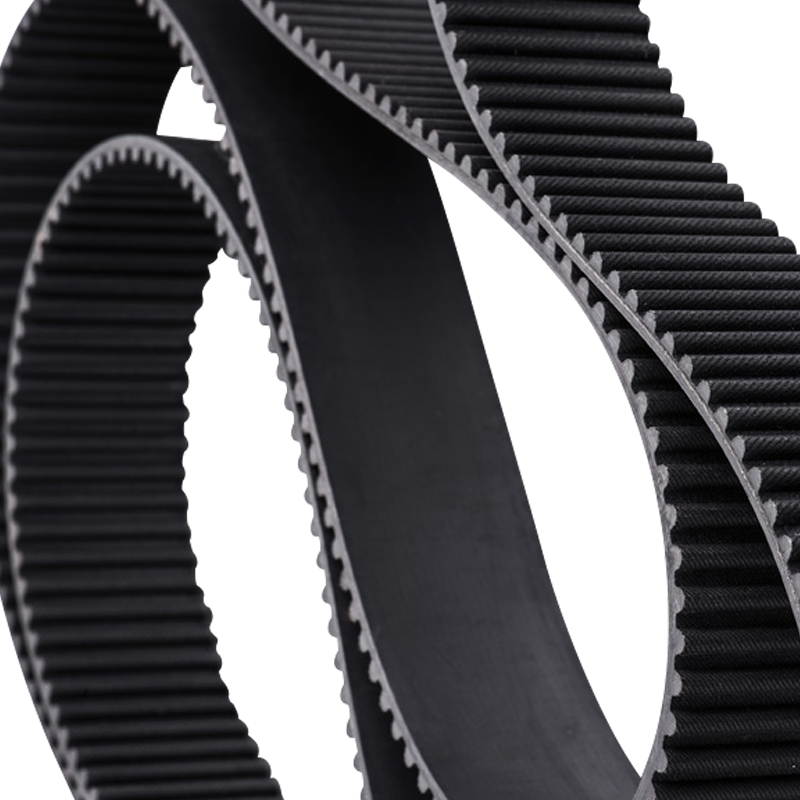
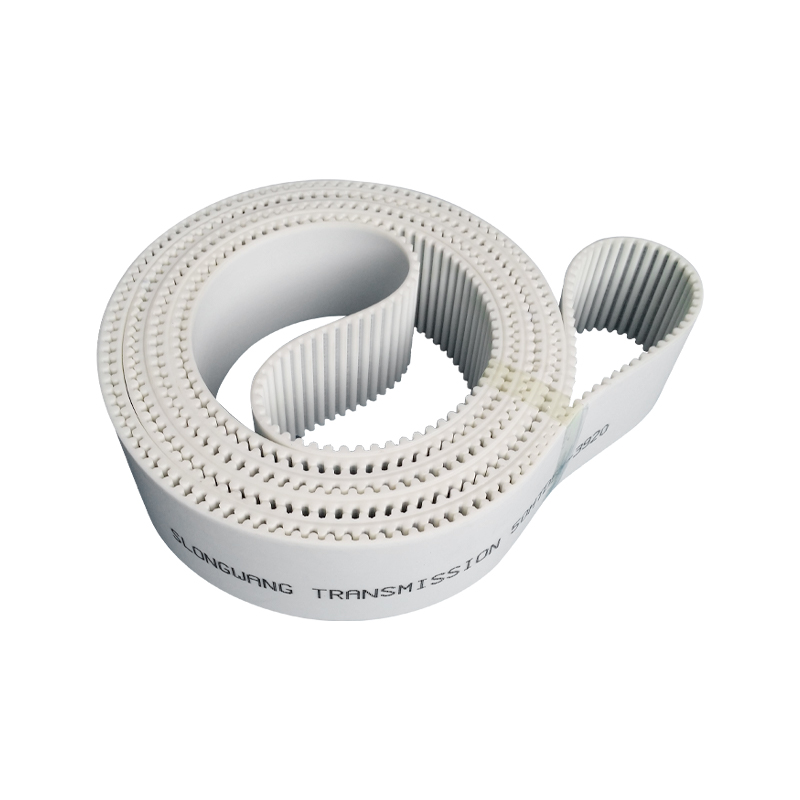
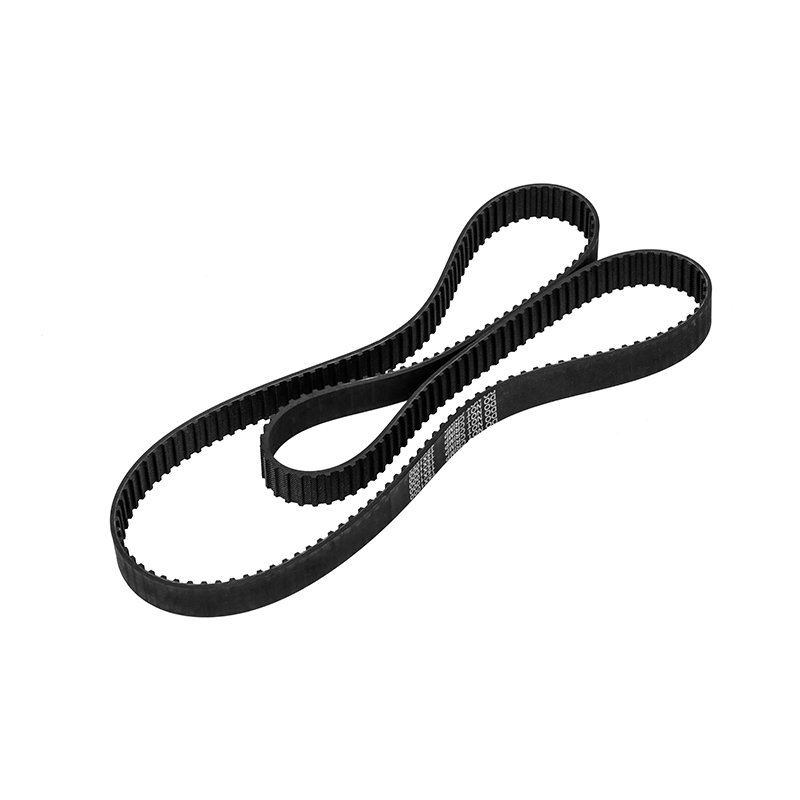
A synchronous pulley system, also known as a timing belt drive system, is a mechanical drive system that uses pulleys and belts to transmit power between rotating shafts. Unlike traditional belt drives that rely on friction to transfer motion, synchronous pulleys engage with toothed belts, ensuring positive engagement between the belt and pulley teeth. This direct, tooth-to-tooth engagement eliminates slippage and allows for precise synchronization between the shafts, which is particularly important in high-precision applications.
Synchronous pulleys are often used in situations where accurate timing and controlled motion are essential. They are commonly found in industrial equipment, automotive engines, robotics, and conveyor systems, among other applications.
One of the most important reasons why synchronous pulley systems are critical in reducing mechanical wear and tear is their precise and reliable operation. Below, we’ll explore several key ways in which synchronous pulleys contribute to reducing mechanical stress and increasing system longevity.
In traditional belt drive systems, slippage can occur due to the friction between the belt and the pulley. This slippage leads to a loss of power transmission efficiency, inconsistent performance, and additional wear on both the belt and the pulley. Over time, slippage can cause damage to the components, reducing their effectiveness and shortening their lifespan.
Synchronous pulleys, on the other hand, engage with toothed belts that mesh directly with corresponding teeth on the pulley. This positive engagement eliminates the possibility of slippage, ensuring that the motion is transmitted accurately and consistently. By reducing misalignment and preventing unnecessary friction, synchronous pulleys significantly reduce the mechanical wear that would typically occur in traditional systems.
Another factor that contributes to mechanical wear is vibration, which can cause components to become loose or wear unevenly over time. The teeth on a synchronous pulley system engage smoothly, minimizing the vibrations that are commonly produced in traditional belt drives.
Vibration reduction is especially important in high-precision machinery, where even slight deviations can cause performance issues or lead to early failure of components. Synchronous pulleys ensure smooth, stable operation by distributing forces evenly across the system, minimizing vibrations and helping to preserve the integrity of the machinery. This reduction in vibration also leads to less noise, creating a quieter and more comfortable working environment.
In a traditional drive system, the belt’s elasticity can cause fluctuations in speed, especially under varying loads. These fluctuations put additional strain on the components, leading to uneven wear on the belt and pulleys. The problem is exacerbated in high-load applications where the belt stretches, resulting in speed inconsistencies and potential damage.
Synchronous pulley systems are designed to maintain a constant speed ratio between the driving and driven pulleys. Because the toothed belt provides a direct, fixed connection, the system ensures that power is transferred smoothly and without variation. The constant speed and load distribution reduce the stress placed on the components, which in turn minimizes mechanical wear and prevents premature failure.
Synchronous pulley systems are more efficient than traditional belt drive systems, as they do not rely on friction for power transmission. The positive engagement between the toothed belt and pulley teeth allows for nearly 100% efficiency in transmitting power, without the energy losses that are typical in friction-based systems.
Higher efficiency means that less energy is wasted in the system, resulting in less heat generation. Heat is a major contributor to mechanical wear and tear, as it can cause parts to expand, warp, or become brittle. By minimizing energy loss and heat generation, synchronous pulley systems help reduce the wear on components and extend the lifespan of the machinery.
Because synchronous pulley systems are designed to minimize slippage, misalignment, and wear, they generally require less maintenance compared to traditional systems. In many cases, the only maintenance needed is periodic inspection to ensure the belt remains properly tensioned and that no teeth are damaged.
Traditional drive systems, on the other hand, often require more frequent adjustments to account for slippage, belt wear, and misalignment. Additionally, if a traditional belt drive system fails, the damage may extend to other parts of the machinery, requiring costly repairs or replacements.
By reducing the frequency and extent of maintenance required, synchronous pulley systems not only extend the life of individual components but also help to minimize downtime and reduce maintenance costs for businesses.
Synchronous pulleys are used in a wide variety of industries due to their efficiency, precision, and ability to reduce wear and tear on mechanical components. Below are some of the key industries that benefit from the use of synchronous pulley systems:
In the automotive industry, synchronous pulleys are used in timing belt systems to synchronize the rotation of the crankshaft and camshaft. This precise timing is critical for the engine’s performance, and a failure in the timing belt can lead to serious engine damage. Synchronous pulley systems ensure the accurate synchronization of these components, reducing wear on the belts and improving the overall efficiency of the engine.
Synchronous pulleys are also used in other automotive systems, such as cooling fans, power steering, and air conditioning systems, where reliable, wear-reducing performance is crucial.
In manufacturing, synchronous pulleys are commonly used in conveyor systems, assembly lines, and other mechanical equipment. The ability to synchronize the movement of various components is essential in industries like food processing, packaging, and material handling.
By reducing slippage and ensuring accurate timing, synchronous pulleys help prevent jams, delays, and mechanical failures, improving productivity and reducing maintenance costs. The precise power transmission provided by synchronous pulleys also ensures that the machinery operates smoothly, extending the service life of the equipment.
Robotic systems often require high precision and reliability to function effectively. Synchronous pulleys are ideal for use in robots and automated machinery, where accurate movement and timing are essential. The elimination of slippage and the reduction of vibration help to ensure that robots move smoothly and with high precision, minimizing wear on gears, motors, and other critical components.
Synchronous pulley systems also help improve energy efficiency in robotic systems, which is important in reducing operating costs and improving the overall performance of automation systems.
In textile and printing machinery, maintaining a constant speed and reducing mechanical stress are essential for producing high-quality products. Synchronous pulley systems help synchronize the motion of rollers, spools, and other components, ensuring that materials are fed through the machines at the correct speed and tension. This reduces wear on the parts, improves product quality, and reduces the risk of machine malfunctions.

Model:
Model:
Model:
Model:
Model:

No. 6, Longrui Middle Road, Longzhen Avenue, Longshan Town, Cixi City, Ningbo City, Zhejiang Province, China
Tel: +86-400-670-3800
Tel: +86-574-58967770
Phone: +86-18867628822
FAX: +86-574-63990099
Email: llm@cn-slw.com