
Industry News
Home / News / Industry News / How Rubber Endless Timing Belts Improve Conveyor and Machinery Systems

How Rubber Endless Timing Belts Improve Conveyor and Machinery Systems

2025-12-17

In modern manufacturing and industrial operations, efficiency, reliability, and precision are essential for maintaining competitiveness. One critical component that supports these objectives is the rubber endless timing belt. Used in a wide range of conveyor and machinery systems, these belts have become integral to industrial automation, material handling, and equipment performance.

Understanding Rubber Endless Timing Belts

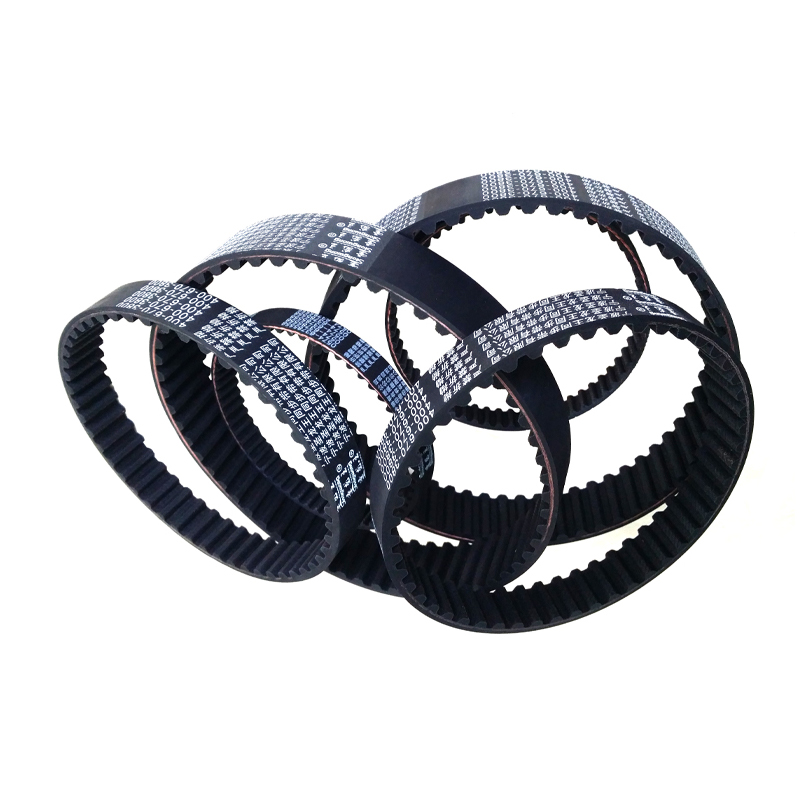
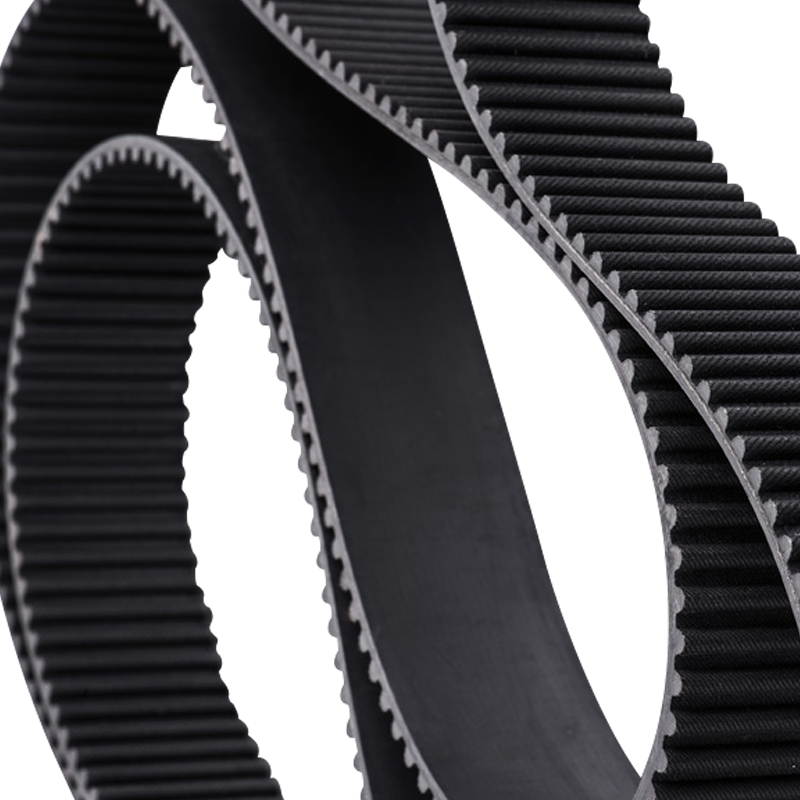
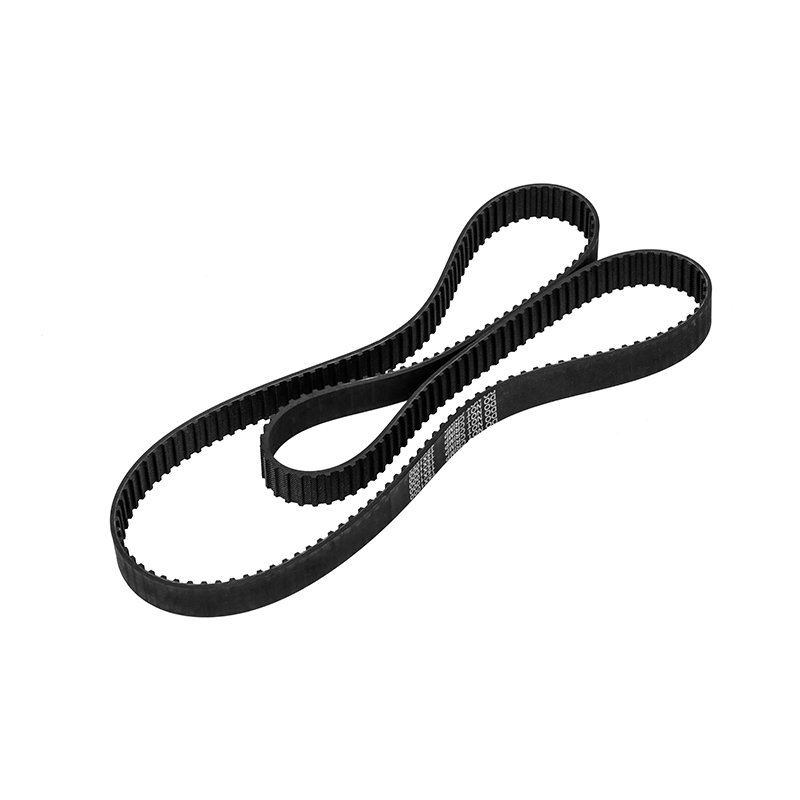
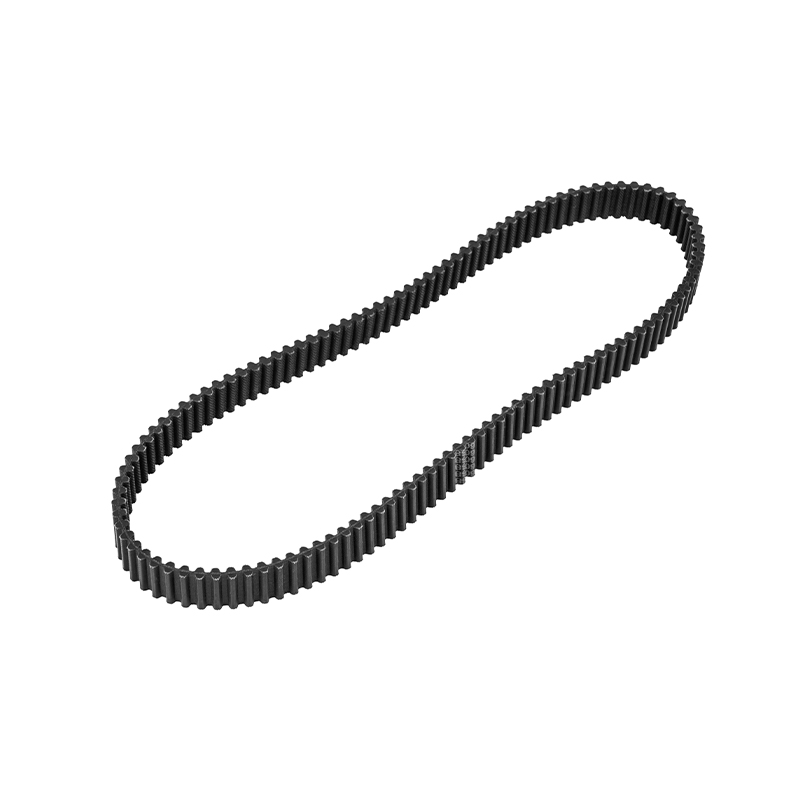
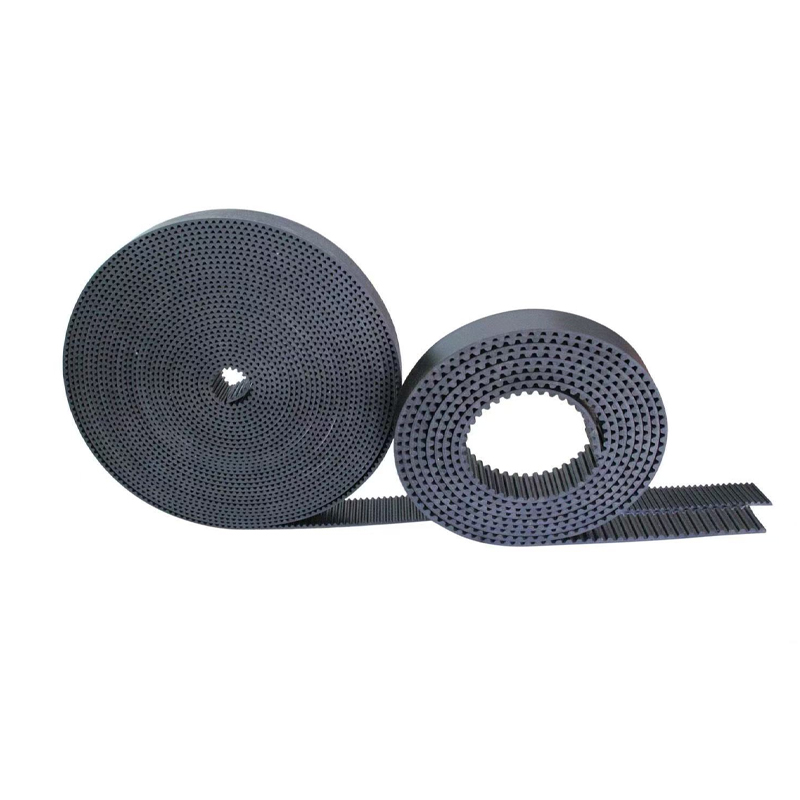
A rubber endless timing belt is a continuous loop of rubber reinforced with materials such as fiberglass, steel, or polyester fibers to enhance strength and durability. Unlike conventional belts that rely on friction to transmit power, timing belts have teeth that mesh precisely with corresponding pulleys, ensuring synchronous movement between components. This design eliminates slippage, maintains accurate timing, and allows for smooth and efficient operation in machinery.

The endless configuration, meaning there are no seams or joints in the belt, provides additional benefits. It reduces the risk of weak points that could fail under stress and ensures consistent performance over time. Rubber, as a base material, offers flexibility, resilience, and resistance to vibration, making it suitable for diverse industrial applications.

Key Advantages in Conveyor Systems

Conveyor systems are widely used in manufacturing, logistics, food processing, and packaging industries to transport materials efficiently. Rubber endless timing belts contribute significantly to improving these systems in several ways:

  • Consistent Motion: The teeth on the belt engage precisely with pulleys, ensuring that the conveyor moves at a constant speed. This precision is critical when transporting items that require synchronized operations, such as assembly line components or packaged goods.
  • Reduced Maintenance: The durability of reinforced rubber belts minimizes wear and tear, reducing the frequency of replacements and downtime. Less maintenance translates into lower operational costs and higher productivity.
  • Load Handling Capacity: Rubber endless timing belts can support varying load sizes without slipping, making them suitable for conveyors carrying heavy or irregularly shaped materials.
  • Noise Reduction: Rubber has inherent vibration-absorbing properties, which helps reduce noise generated by conveyor systems. This improves the working environment and contributes to compliance with industrial noise regulations.
  • Energy Efficiency: By maintaining precise movement and minimizing slippage, rubber endless timing belts reduce energy losses in conveyor systems. Efficient power transmission helps lower operational costs and improves overall system performance.

Applications in Machinery Systems

Beyond conveyors, rubber endless timing belts are essential in various machinery systems, ranging from industrial equipment to precision instruments. Key applications include:

  • Automated Manufacturing Equipment: Timing belts synchronize the movement of machine components, ensuring accurate operation in automated production lines. This is especially important in industries such as automotive, electronics, and pharmaceuticals, where precision directly affects product quality.
  • Robotics: In robotic arms and other automated devices, rubber timing belts provide smooth and reliable motion. Accurate positioning is critical for tasks such as assembly, welding, and material handling.
  • Textile and Printing Machines: Timing belts maintain precise coordination between rollers and other moving parts, allowing for high-speed production without errors or misalignment.
  • Packaging Machinery: Packaging lines rely on accurate timing to handle items efficiently, from labeling and filling to sealing and boxing. Rubber endless timing belts ensure synchronization across multiple processes.
  • CNC Machines and Milling Equipment: Timing belts transmit rotary motion accurately from motors to tool heads, enabling precise cutting, engraving, and shaping operations.

Material Properties and Reinforcements

The performance of a rubber endless timing belt depends on both the base rubber material and the reinforcement used. Common rubber compounds include neoprene, polyurethane, and EPDM, each offering specific advantages:

  • Neoprene: Resistant to heat, oils, and wear, suitable for general industrial applications.
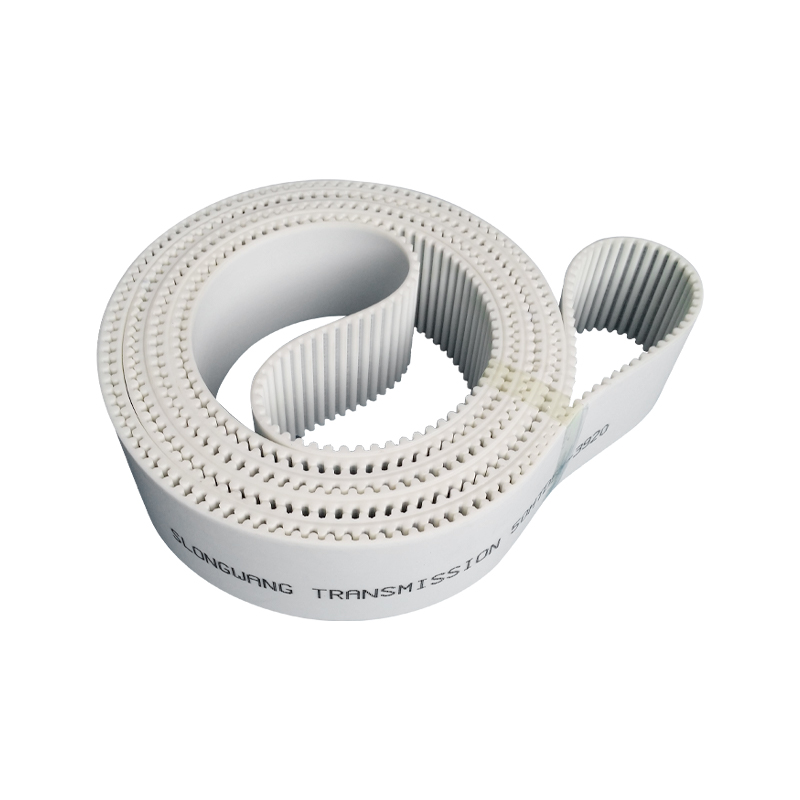
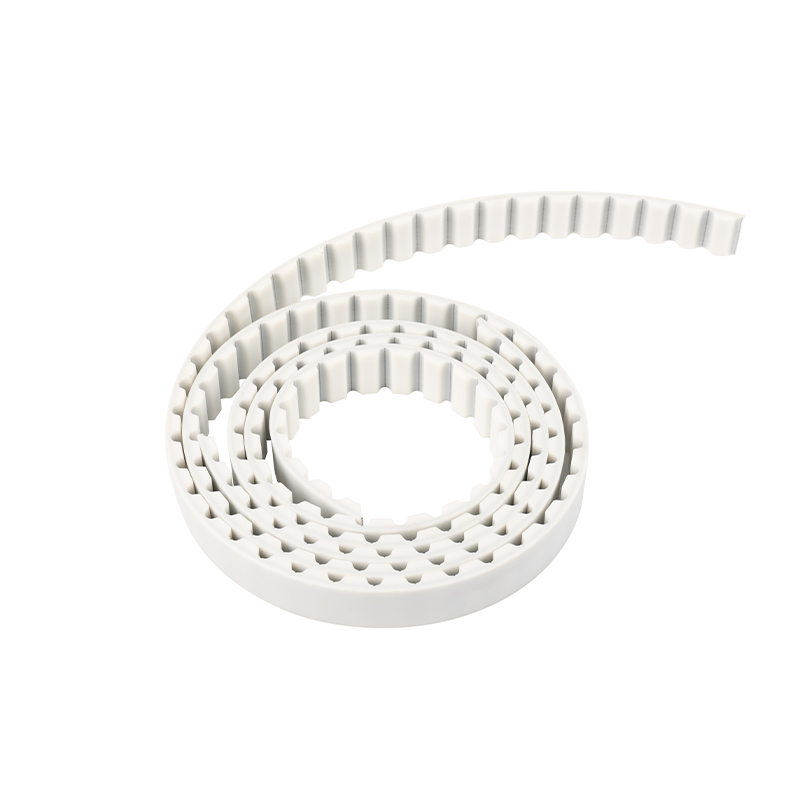
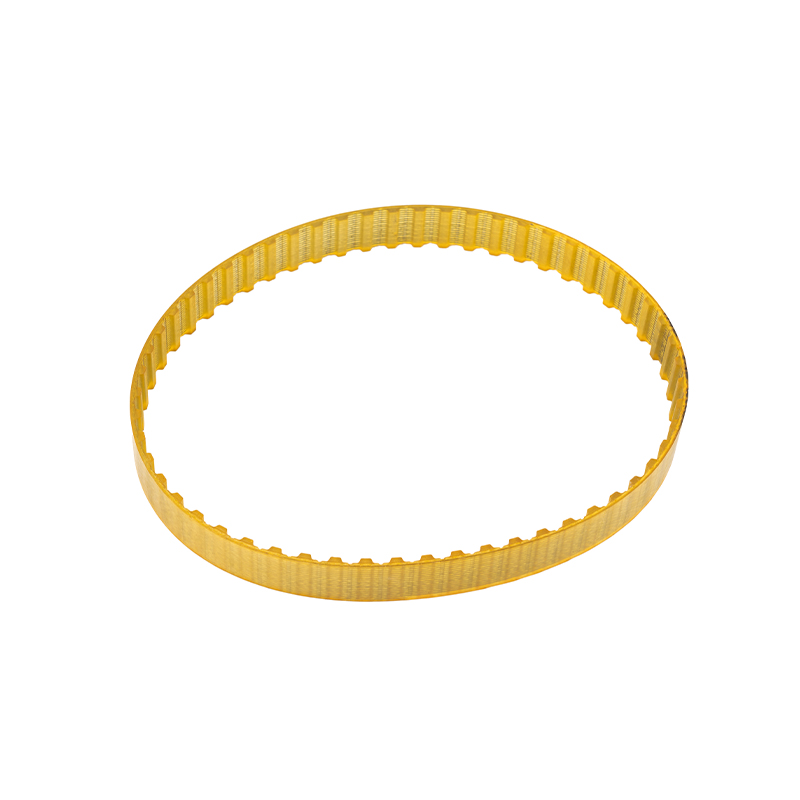
  • Polyurethane: Offers excellent abrasion resistance and load-bearing capacity, ideal for heavy-duty machinery.
  • EPDM (Ethylene Propylene Diene Monomer): Resistant to UV, ozone, and chemicals, making it suitable for outdoor or chemically exposed environments.

Reinforcement fibers, such as fiberglass, steel cords, or polyester, increase tensile strength and prevent stretching. This combination ensures that the belt maintains consistent dimensions, even under high loads or extended operating hours.

Maintenance and Longevity

Proper maintenance of rubber endless timing belts is crucial to maximize performance and longevity. Key considerations include:

  • Regular Inspection: Periodic checks for wear, cracking, or damage help prevent unexpected failures.
  • Proper Tensioning: Correct tension prevents slippage and reduces stress on both the belt and machinery components.
  • Alignment of Pulleys: Misaligned pulleys can cause uneven wear and reduce belt life. Ensuring proper alignment is essential for reliable operation.
  • Environmental Protection: Avoiding exposure to extreme temperatures, chemicals, or UV radiation prolongs belt performance.

With proper care, rubber endless timing belts can operate for extended periods without significant performance degradation, making them a cost-effective solution for industrial systems.

Industry Trends and Technological Advancements

The market for rubber endless timing belts has evolved alongside advances in industrial automation and materials science. Some notable trends include:

  • High-Performance Rubber Compounds: Manufacturers are developing belts with improved heat resistance, chemical resistance, and mechanical strength to meet the demands of modern machinery.
  • Custom Profiles and Tooth Designs: Specialized tooth geometries enhance power transmission, reduce backlash, and improve efficiency in specific applications.
  • Integration with Smart Systems: Timing belts are increasingly used in systems equipped with sensors and monitoring devices to track belt condition and predict maintenance needs.
  • Sustainability Focus: Recyclable materials and longer-lasting designs are becoming more important as industries aim to reduce environmental impact.

These innovations contribute to the broader adoption of rubber endless timing belts across diverse sectors and reinforce their role in improving operational efficiency.

Case Studies and Practical Applications

Several industries have reported tangible benefits from adopting rubber endless timing belts in their systems. For example:

  • Automotive Assembly Lines: Manufacturers have reduced downtime and improved production throughput by using reinforced rubber belts that maintain precise synchronization of robotic arms and conveyors.
  • Food Processing Plants: Rubber timing belts with anti-microbial coatings have enhanced hygiene standards while providing reliable transport of packaged goods.
  • Textile Industry: Timing belts with high abrasion resistance have enabled high-speed operations with minimal maintenance, improving overall productivity.
  • Electronics Manufacturing: Compact timing belts support precise motion control in automated pick-and-place machines, enhancing product quality and assembly accuracy.

Future Prospects

As industries continue to pursue automation, efficiency, and reliability, rubber endless timing belts are expected to play a central role in machinery and conveyor systems. Emerging applications in robotics, smart manufacturing, and precision equipment highlight the versatility and importance of these components.

Advances in material science, design optimization, and monitoring technology will likely enhance the performance and lifespan of timing belts, making them even more integral to modern industrial operations. Manufacturers that adopt high-quality rubber endless timing belts can achieve smoother operation, reduced maintenance, and improved system efficiency, positioning themselves for success in competitive markets.

get in Touch