
 Inquiry

 English
 中文简体
中文简体
Industry News
Home / News / Industry News / How Rubber Open Synchronous Belts Can Enhance Machine Longevity and Reliability
2025-12-24
Content
In the world of mechanical engineering, maintaining the longevity and reliability of machinery is essential for reducing downtime, optimizing efficiency, and keeping operational costs under control. One of the key components that significantly contributes to the smooth operation of many machines is the synchronous belt. Among the different types of synchronous belts, rubber open synchronous belts are becoming increasingly popular due to their ability to provide precise motion transmission while offering enhanced durability and performance.
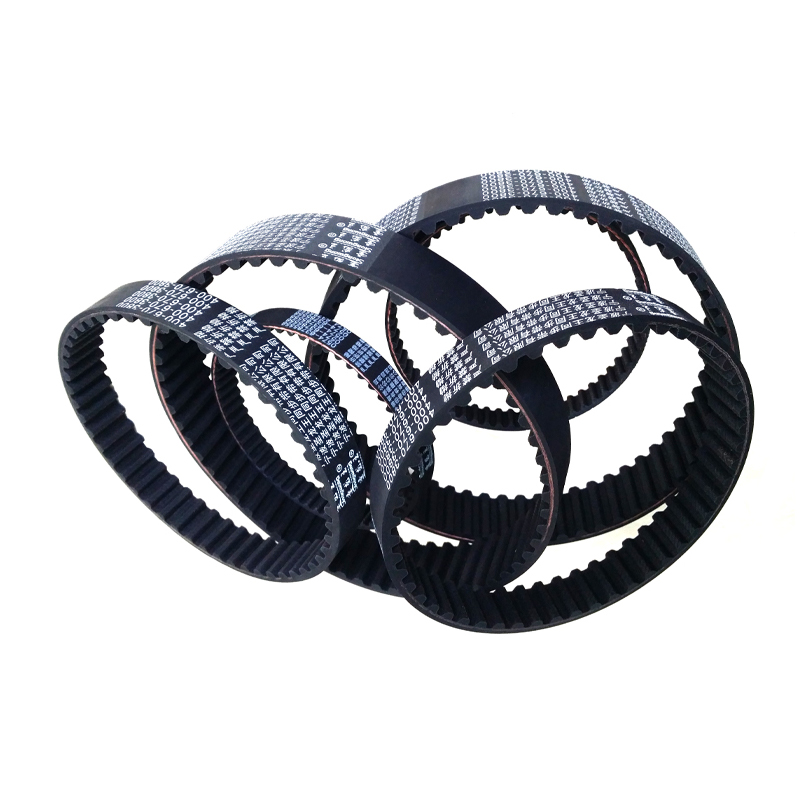
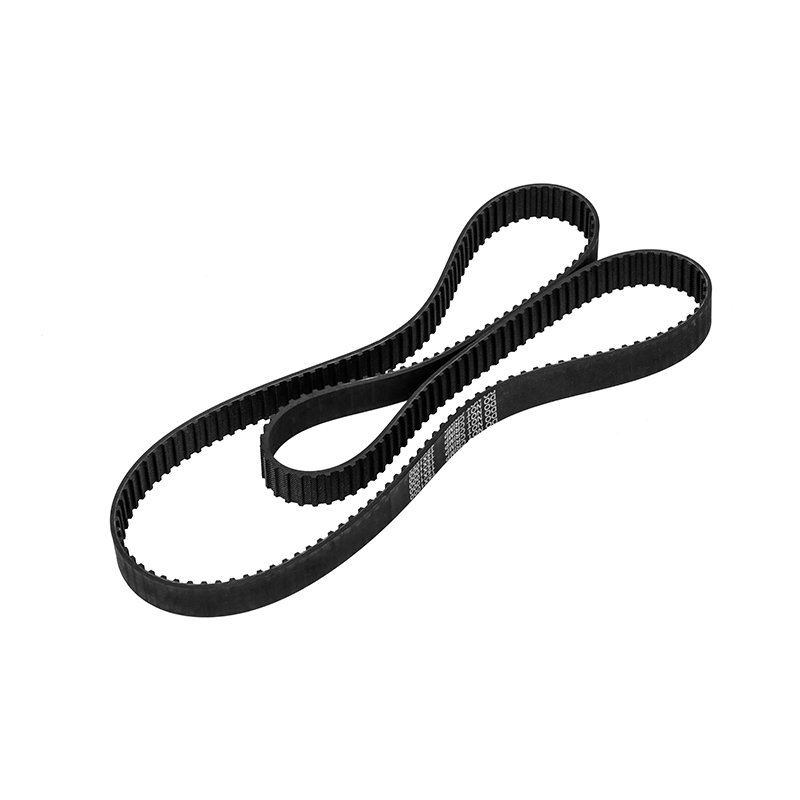
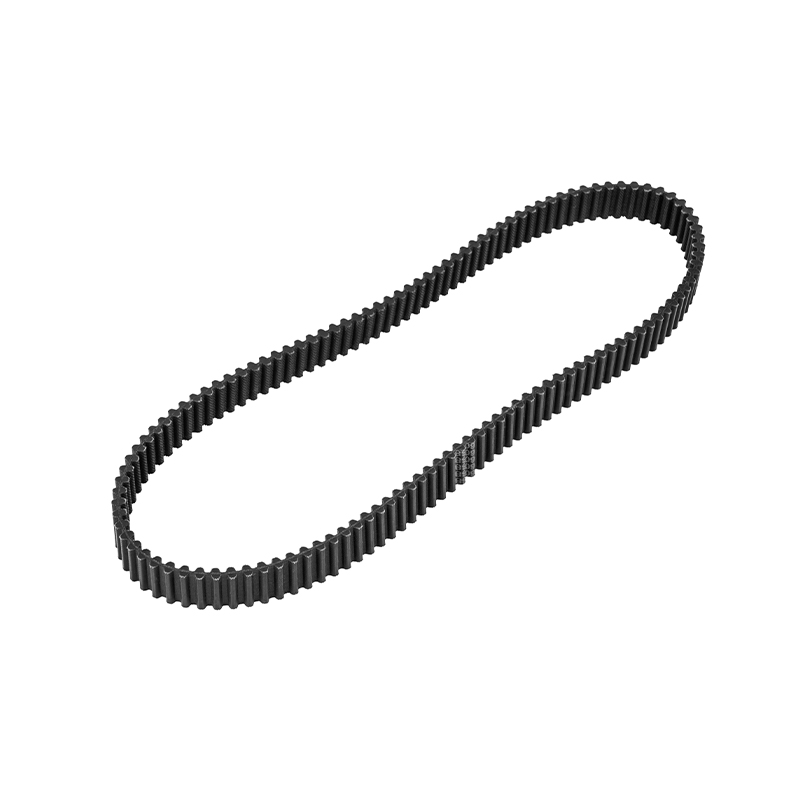
Rubber open synchronous belts are a type of toothed belt that is commonly used for power transmission in machines where precise synchronization of motion is required. Unlike traditional v-belts or flat belts, synchronous belts operate without slippage, ensuring that the driven components maintain exact timing with the driving motor.
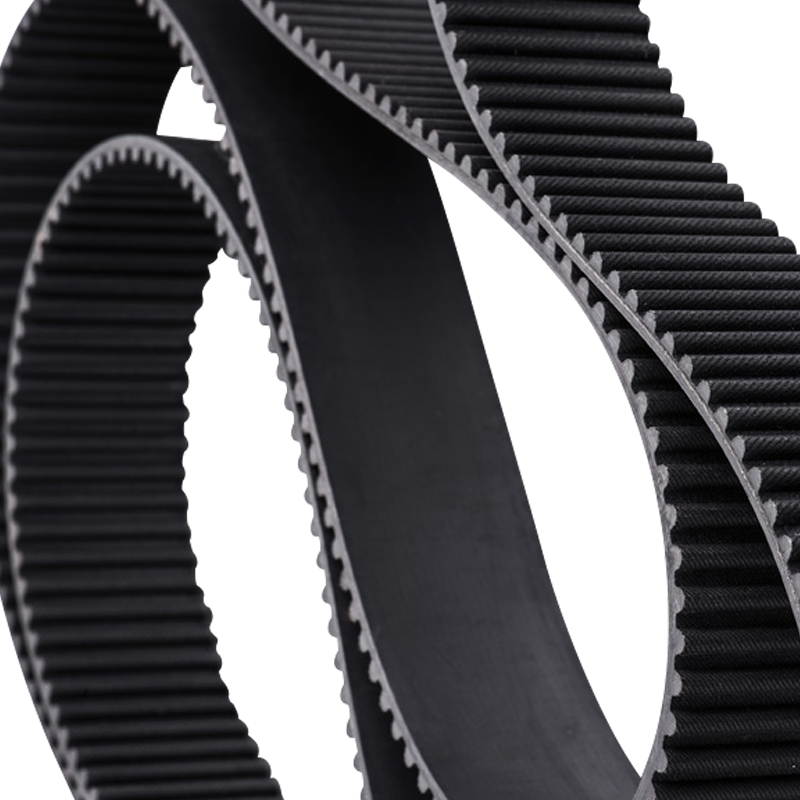
Made from high-quality rubber compounds and featuring teeth that mesh precisely with toothed pulleys, these belts are ideal for applications where high efficiency, low maintenance, and durability are crucial. The open design of these belts means they are often used in open or exposed systems, where continuous loops or closed circuits are unnecessary.
Rubber open synchronous belts are commonly used in industries such as automotive, manufacturing, robotics, food processing, and more. Their ability to handle high speeds, heavy loads, and harsh conditions makes them indispensable in various mechanical systems.
When it comes to extending the lifespan and reliability of machinery, rubber open synchronous belts offer several advantages over other types of power transmission components. Below, we will highlight some of the key benefits that make them particularly effective in enhancing machine performance:
Rubber open synchronous belts are designed to operate with minimal friction. Unlike conventional v-belts that experience slippage, synchronous belts engage their teeth with the pulleys, ensuring a positive drive without the loss of energy through friction. This feature reduces the chances of wear and tear, as the belt does not stretch or slip during operation.
By maintaining a consistent connection between the driving and driven components, rubber open synchronous belts minimize the mechanical strain that can lead to premature wear. This not only prolongs the life of the belt itself but also reduces wear on the pulleys and other components within the system. Over time, this results in fewer replacements and lower maintenance costs, contributing to the overall longevity of the machine.
One of the most significant benefits of rubber open synchronous belts is their exceptional durability. Rubber compounds used in the manufacture of these belts are designed to resist environmental factors such as heat, moisture, and chemicals, which can cause traditional belts to degrade over time.
Moreover, rubber open synchronous belts are typically reinforced with high-strength fibers, which further enhance their durability and allow them to withstand high loads and heavy-duty applications. Their resistance to environmental stresses and wear means that machinery components can continue to operate at peak efficiency without the need for frequent replacements, minimizing downtime and maintenance requirements.
In machines where accurate timing and synchronization are critical—such as in conveyor systems, printers, or automotive engines—rubber open synchronous belts provide a highly precise and reliable power transmission. Because they engage with pulleys via teeth, they offer a direct, non-slip connection, ensuring that the motion of the driven component is always in sync with the motor.
This precision helps eliminate issues such as misalignment or variations in speed, which can lead to mechanical stress, uneven wear, or even breakdowns. By ensuring the continuous and accurate transmission of power, rubber open synchronous belts reduce the likelihood of errors or malfunctions that could compromise the machine's performance, contributing to increased operational reliability.
Due to their construction and the fact that they don’t require lubrication, rubber open synchronous belts require minimal maintenance compared to other types of power transmission systems. Unlike chain drives or v-belts, which may need regular adjustments or lubrication, synchronous belts maintain a consistent level of performance without frequent intervention.
The self-tensioning nature of rubber open synchronous belts also contributes to their low maintenance. These belts do not need to be adjusted or replaced as often as other types of belts, making them a cost-effective solution for long-term machine operation. This translates into less downtime for maintenance and repairs, allowing businesses to optimize their productivity and efficiency.
Because rubber open synchronous belts operate without slippage, they are more efficient in terms of power transmission. The absence of energy loss due to friction or slippage means that more of the motor's power is directly transferred to the driven components, resulting in higher energy efficiency.
This efficiency not only improves the overall performance of the machine but also helps in reducing the energy consumption of the system. In industries where energy efficiency is a priority—such as manufacturing and automotive—using rubber open synchronous belts can lead to significant cost savings and a lower carbon footprint.
Rubber open synchronous belts are capable of handling high-speed applications without losing synchronization or efficiency. This makes them ideal for use in machines that require quick, continuous movement or those that operate at high speeds, such as automated production lines or robotics.
Moreover, rubber open synchronous belts can transmit substantial amounts of power without stretching or slipping, allowing them to handle heavy loads without compromising their performance. Whether it’s lifting heavy parts or moving large quantities of materials, these belts provide the reliability and power needed for demanding applications, all while ensuring smooth and consistent operation.
To fully appreciate the advantages of rubber open synchronous belts, it’s important to understand how they compare to other types of belts used in power transmission systems:
V-belts are commonly used in a wide range of mechanical applications. However, they suffer from several limitations that rubber open synchronous belts address. V-belts experience slippage, which can result in a loss of power, uneven wear, and the need for frequent tension adjustments. In contrast, rubber open synchronous belts provide a positive drive, eliminating slippage and ensuring that power is efficiently transmitted without loss.
Furthermore, v-belts can stretch over time, requiring re-tensioning and frequent replacement. Rubber open synchronous belts, on the other hand, do not stretch and maintain a consistent tension, leading to less maintenance and longer operational life.
Chain drives are another common alternative for power transmission, particularly in heavy-duty applications. While chains can handle high loads and are durable, they require regular lubrication and maintenance to avoid rust and wear. Additionally, chains can be noisy and less efficient than synchronous belts.
Rubber open synchronous belts, by contrast, do not require lubrication, operate quietly, and provide a smoother, more efficient power transmission. This makes them a preferred choice for applications where low maintenance and quiet operation are crucial, such as in precision machines or automated systems.
Due to their unique advantages, rubber open synchronous belts are used in a wide variety of applications across many industries. Some of the most common uses include:

Model:
Model:
Model:
Model:
Model:

No. 6, Longrui Middle Road, Longzhen Avenue, Longshan Town, Cixi City, Ningbo City, Zhejiang Province, China
Tel: +86-400-670-3800
Tel: +86-574-58967770
Phone: +86-18867628822
FAX: +86-574-63990099
Email: llm@cn-slw.com