When it comes to power transmission in machinery, choosing the right type of belt can significantly impact performance, efficiency, and maintenance costs. Two of the most commonly used belts are V belts and timing belts. While both serve the purpose of transferring power and motion between mechanical components, they have distinct characteristics and applications that make them suitable for different types of machines.
What Are V Belts and Timing Belts?
Before diving into the comparison, let's briefly review what each belt type is and how it works.
- V Belts: These are wedge-shaped belts commonly used in general power transmission applications. They feature a trapezoidal cross-section that allows them to fit snugly into matching pulleys. The angle of the V shape ensures that the belt grips the pulley securely, transmitting power efficiently. V belts are often used in industrial equipment, automotive engines, and conveyor systems.
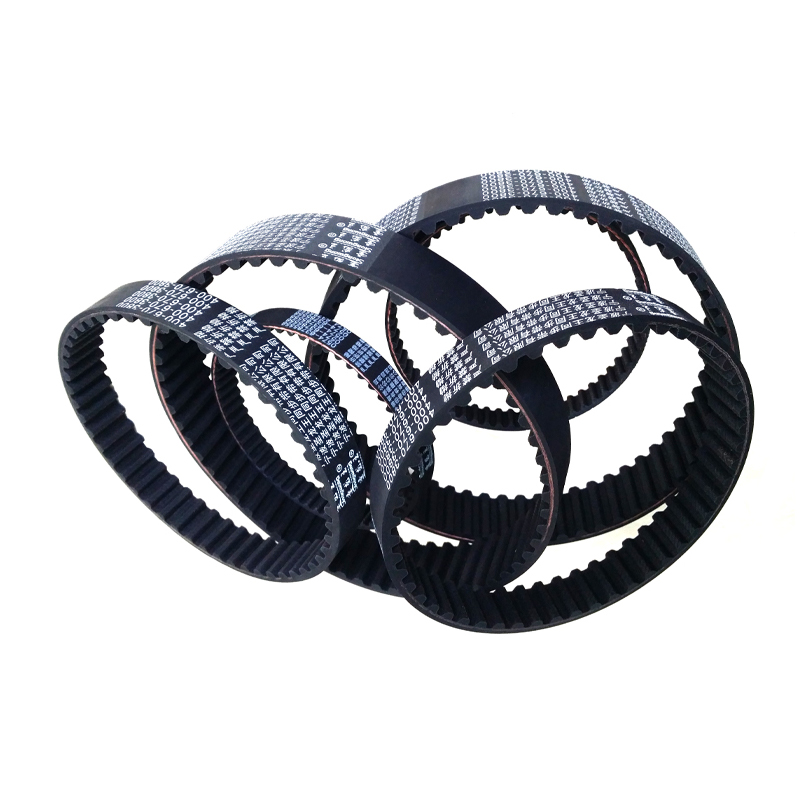
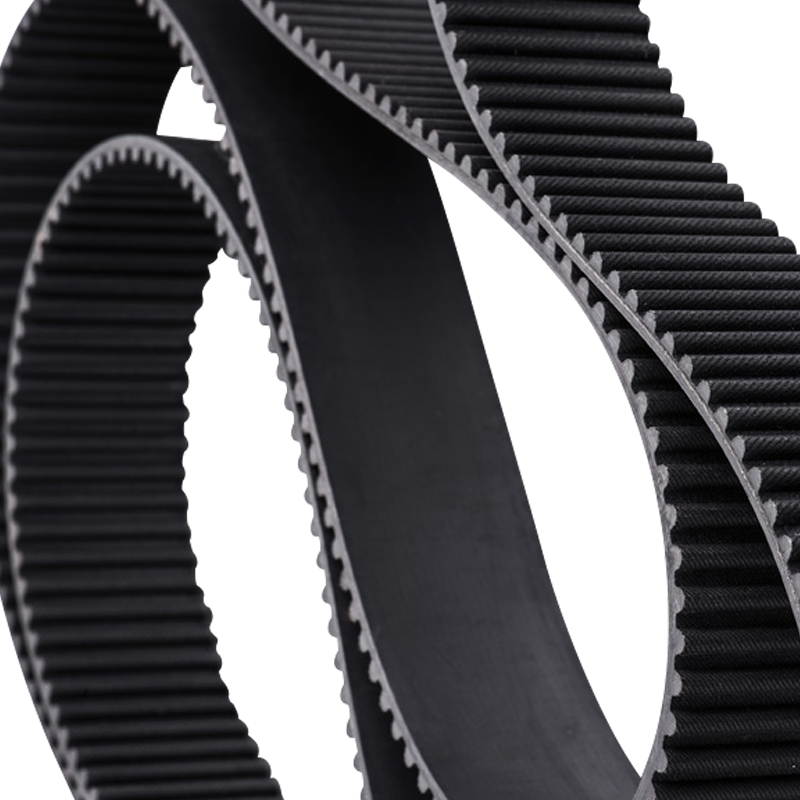
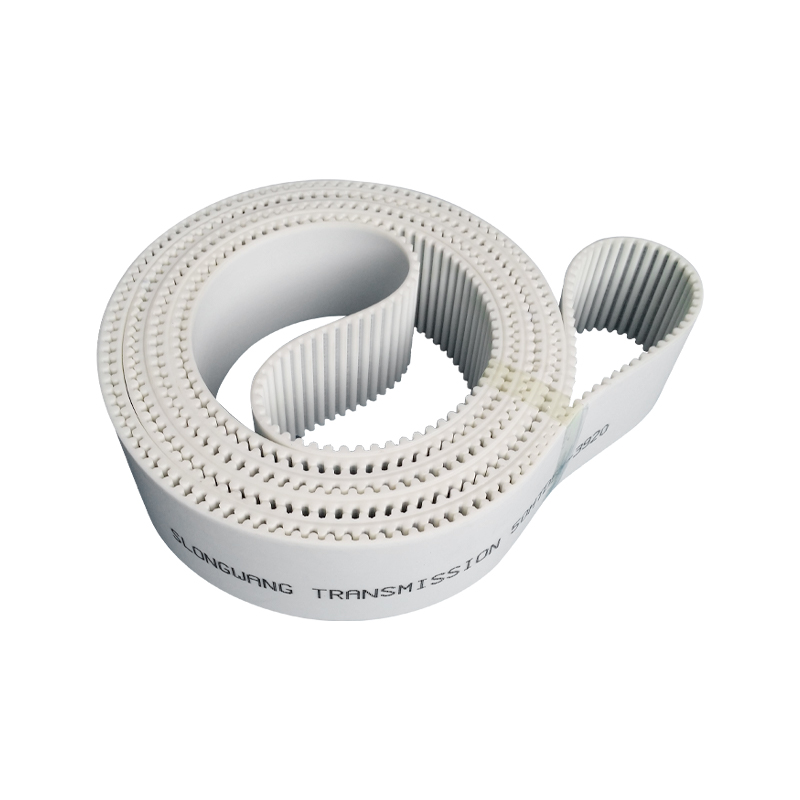
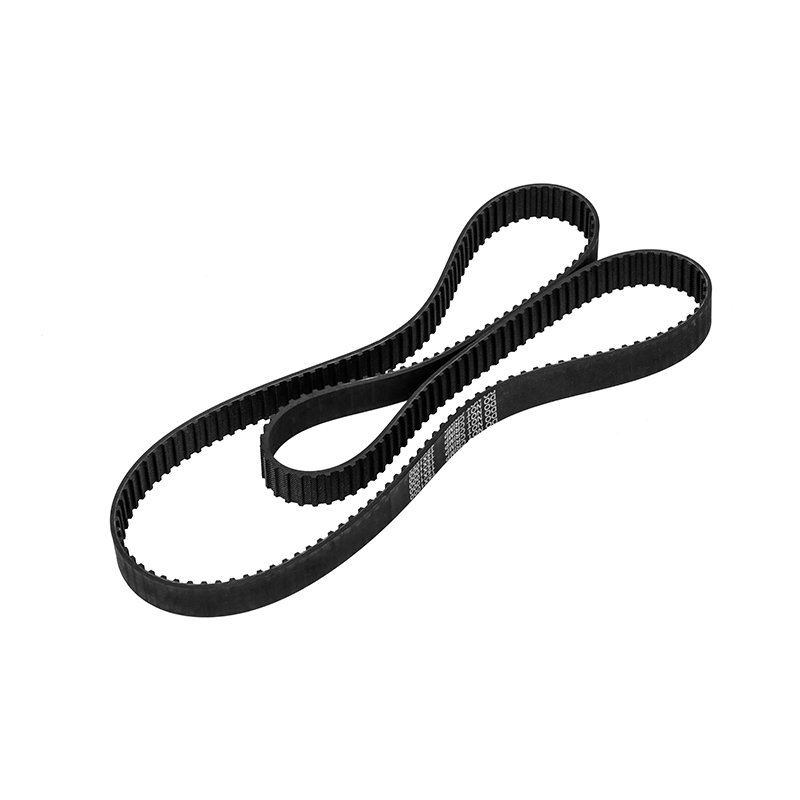
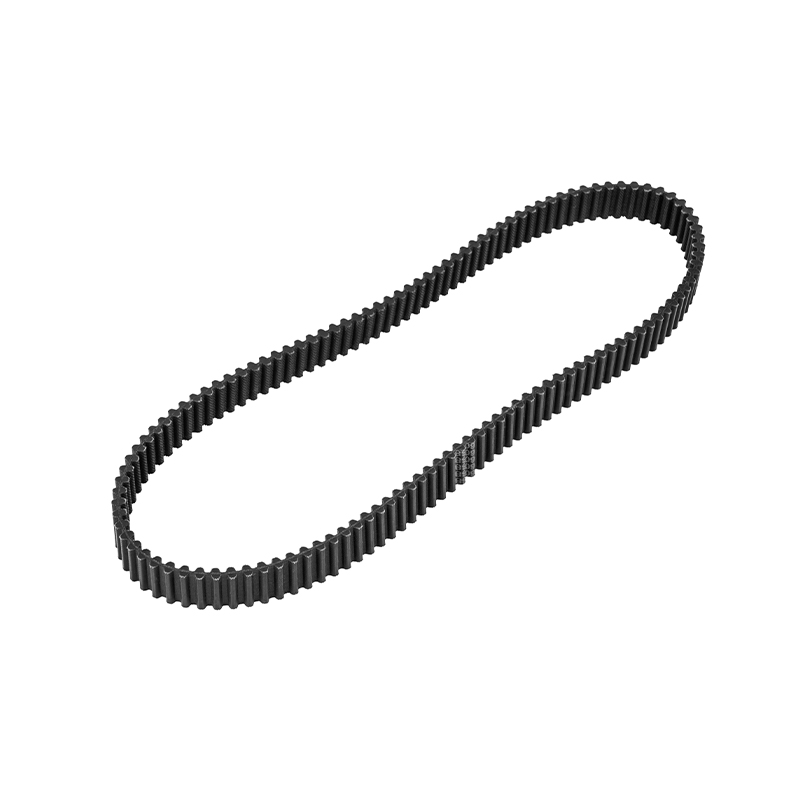
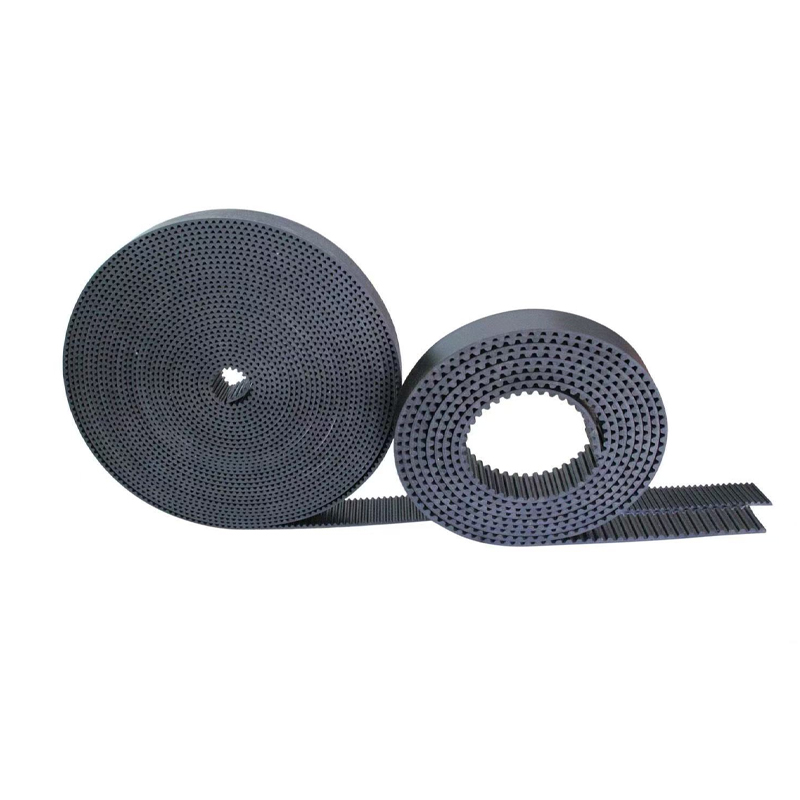
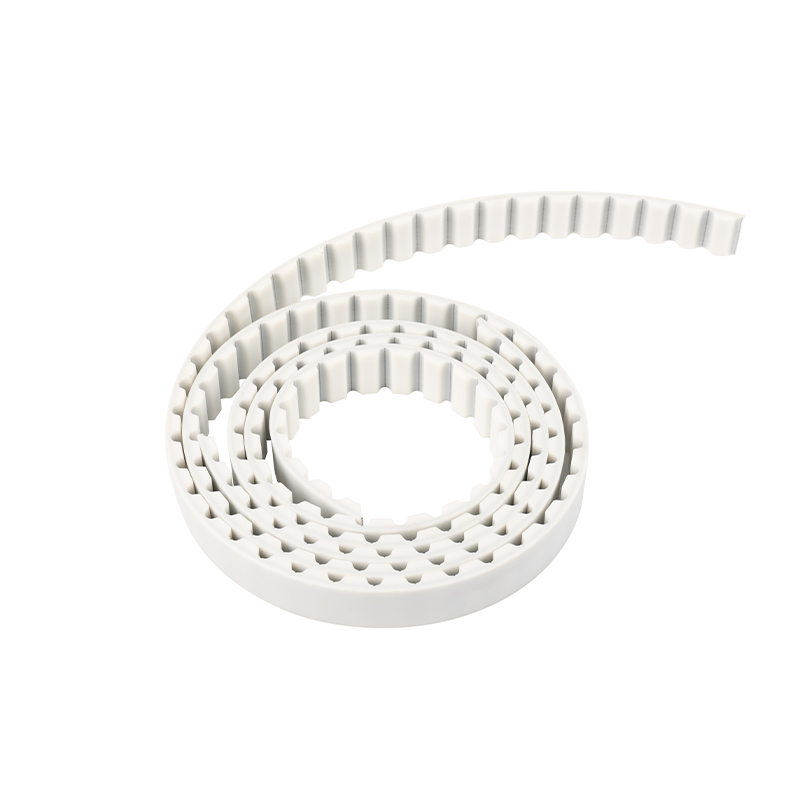
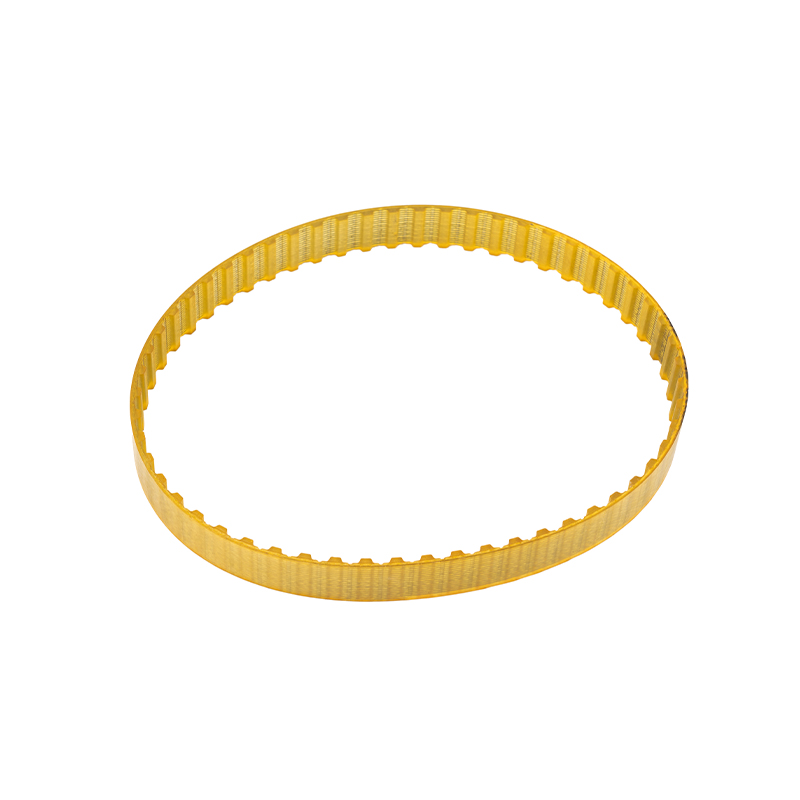
- Timing Belts: Also known as synchronous belts, timing belts feature teeth along their inner surface that mesh with corresponding teeth on the pulleys. Unlike V belts, which rely on friction to transfer power, timing belts transmit power via their teeth. This ensures that the belt and pulley system operate in sync, making timing belts ideal for applications requiring precise timing, such as in engines and robotics.
Power Transmission and Efficiency
V Belts: V belts are designed for high torque transmission and are capable of handling varying load conditions. They are efficient in most power transmission tasks, especially when the load is not uniform or constant. However, since they rely on friction to transfer power, they can slip under certain conditions, especially if the belt is not properly tensioned or if the system operates at high speeds.
- Strengths: V belts are best suited for applications where power needs to be transmitted over a long distance or where the load fluctuates. Their flexibility allows them to accommodate a range of applications.
- Limitations: In systems requiring highly precise synchronization, V belts may not offer the same level of accuracy as timing belts. They are also prone to slipping and may wear faster if not regularly maintained.
Timing Belts: Timing belts excel in high-precision applications because their teeth ensure a positive drive, meaning there’s no slippage between the belt and the pulley. This results in accurate and consistent power transmission at all times, which is critical for applications that require specific timing or synchronization, such as in engines and pumps.
- Strengths: Timing belts are ideal for high-precision machines where accurate timing between moving parts is crucial. They maintain constant speed ratios and are less likely to slip, ensuring reliable performance.
- Limitations: Timing belts can’t handle high torque fluctuations as well as V belts. Additionally, they are more sensitive to tension, so proper installation and maintenance are crucial.
Durability and Maintenance
V Belts: V belts are typically made of rubber, often reinforced with materials like fiberglass or kevlar for increased strength. They are known for their resilience and can last for a long time if properly maintained. However, they are subject to wear due to friction, heat, and environmental factors such as dirt and moisture.
- Maintenance: Regular tension checks are necessary to ensure that V belts continue to operate efficiently. Over time, they can stretch, wear down, or become misaligned, which can lead to slipping or reduced performance. They also require periodic inspection for cracking or fraying.
Timing Belts: Timing belts are also made of high-quality rubber and may be reinforced with nylon, steel, or other durable materials to withstand stress. They tend to be more resistant to wear compared to V belts because there is no frictional slippage, and the teeth are designed to last longer.
- Maintenance: While timing belts are durable, they require regular checks for tooth wear and tension. Over time, the teeth can become worn or damaged, especially if the belt is subjected to high heat or moisture. Timing belts also need to be replaced more frequently than V belts, depending on the system’s operating conditions.
Applications
V Belts: Due to their versatility, V belts are used in a wide variety of applications where precise timing is not as critical. They are commonly found in:
- Automobiles: Used to drive components like alternators, water pumps, and air conditioning compressors.
- Industrial Equipment: Such as conveyor systems, machine tools, and HVAC systems.
- Agricultural Machinery: For driving equipment like combine harvesters and irrigation pumps.
Timing Belts: Timing belts are used primarily in applications where the synchronization of two or more moving parts is critical. These include:
- Automotive Engines: Timing belts drive critical components like camshafts and crankshafts in internal combustion engines, ensuring proper valve timing.
- Robotics: Used in robotic arms and machines where precise movement and timing are essential.
- Pumps and Compressors: Used to synchronize pumps, compressors, and other machinery that require exact timing.
Cost and Availability
- V Belts: V belts are generally more affordable than timing belts, making them an economical choice for standard power transmission applications. They are widely available and come in various sizes to fit different types of machines. Replacement costs are relatively low compared to timing belts.
- Timing Belts: Timing belts tend to be more expensive than V belts, particularly when used in high-precision applications. They also require precise measurements to ensure proper fit and function. However, they offer superior performance in certain applications where accuracy is critical, justifying the higher cost.
Noise and Vibration
- V Belts: Due to their reliance on friction for power transmission, V belts can sometimes generate noise and vibration, especially if they are improperly tensioned or worn. This can be disruptive in sensitive environments or machines requiring quiet operation.
- Timing Belts: Timing belts are generally quieter than V belts because they do not rely on friction. The teeth of the timing belt mesh smoothly with the pulleys, which helps reduce operational noise. This makes timing belts an excellent choice for applications where noise reduction is important.
Which Belt is Right for Your Machine?
Choose V Belts if:
- Your application requires high torque and variable loads.
- Precision timing is not critical, and you don’t need perfect synchronization.
- You need a low-cost, versatile solution for general power transmission.
- You want a belt that can handle long-distance power transmission efficiently.
Choose Timing Belts if:
- Your machine requires precise synchronization of components (e.g., engine timing, robotics).
- You want to avoid issues like slipping and inconsistent power transfer.
- Your application demands low noise and high efficiency.
- You need a belt that can handle high-speed and precise operations.


 Inquiry

 English
 中文简体
中文简体