The Critical Role of Rubber Timing Belts in Synchronous Power Transmission
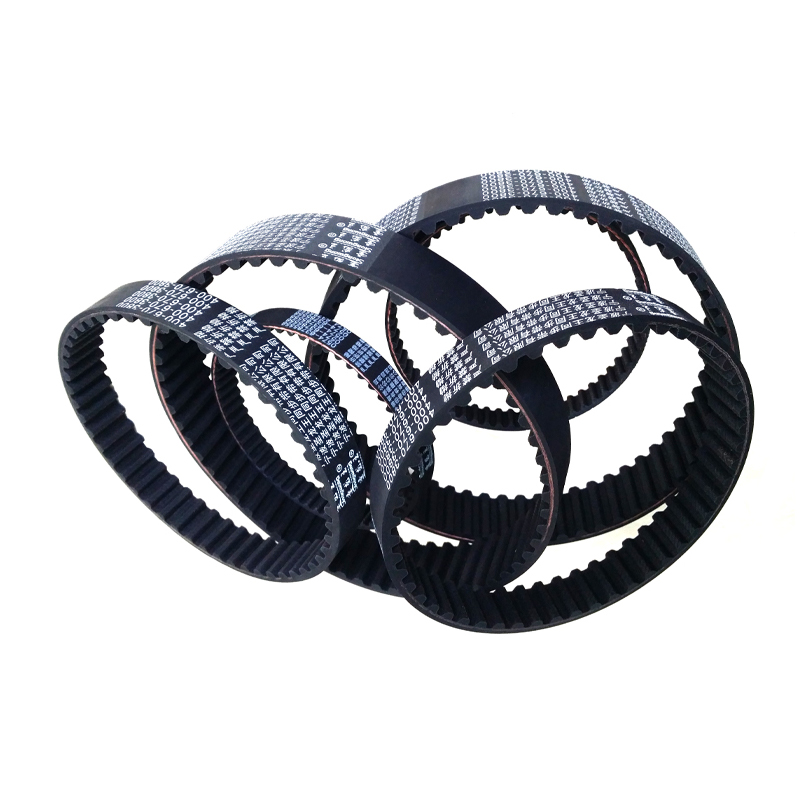
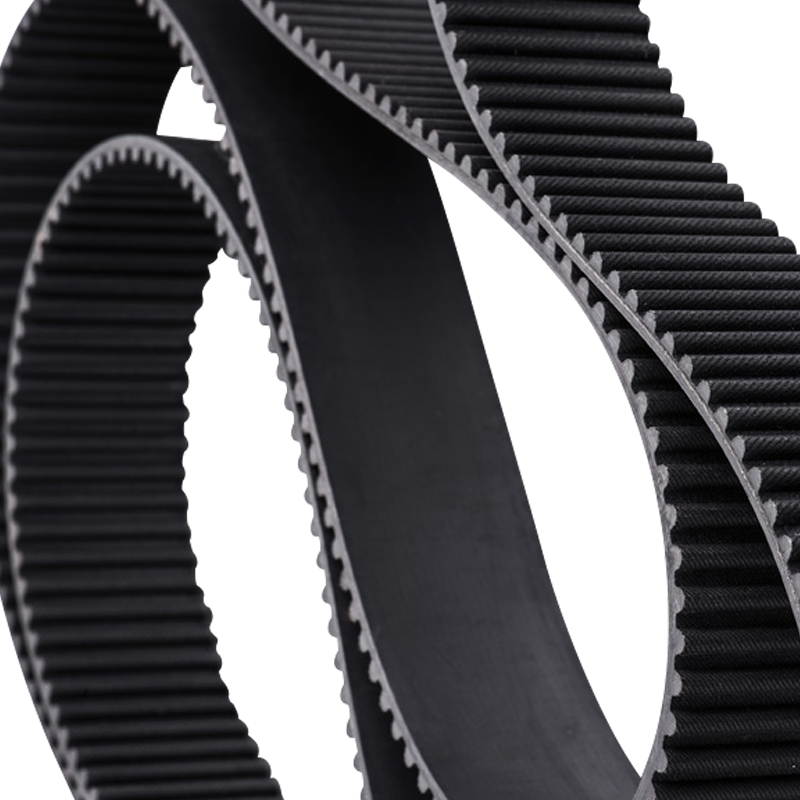
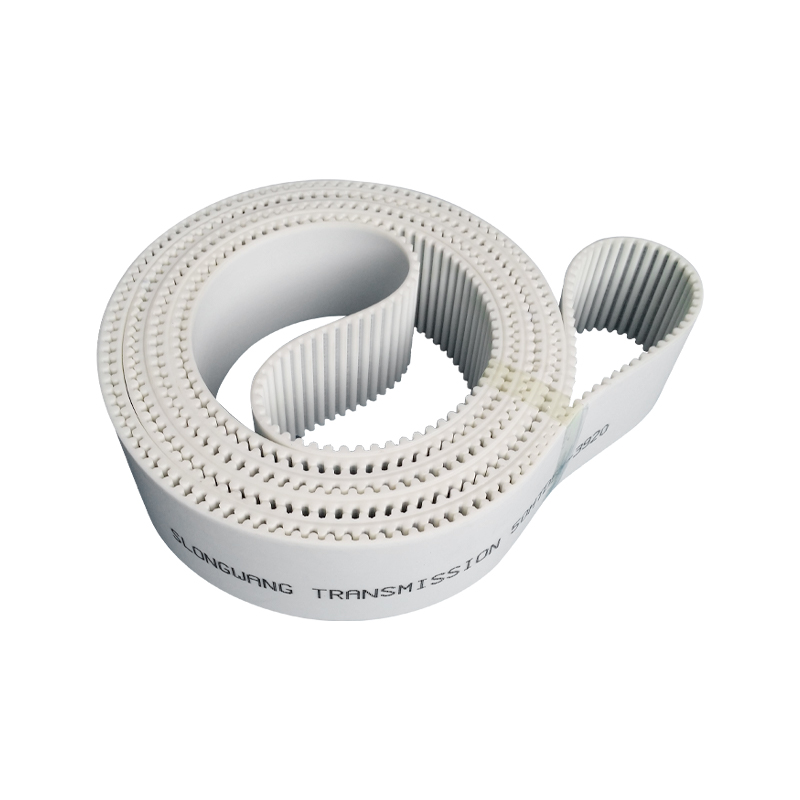
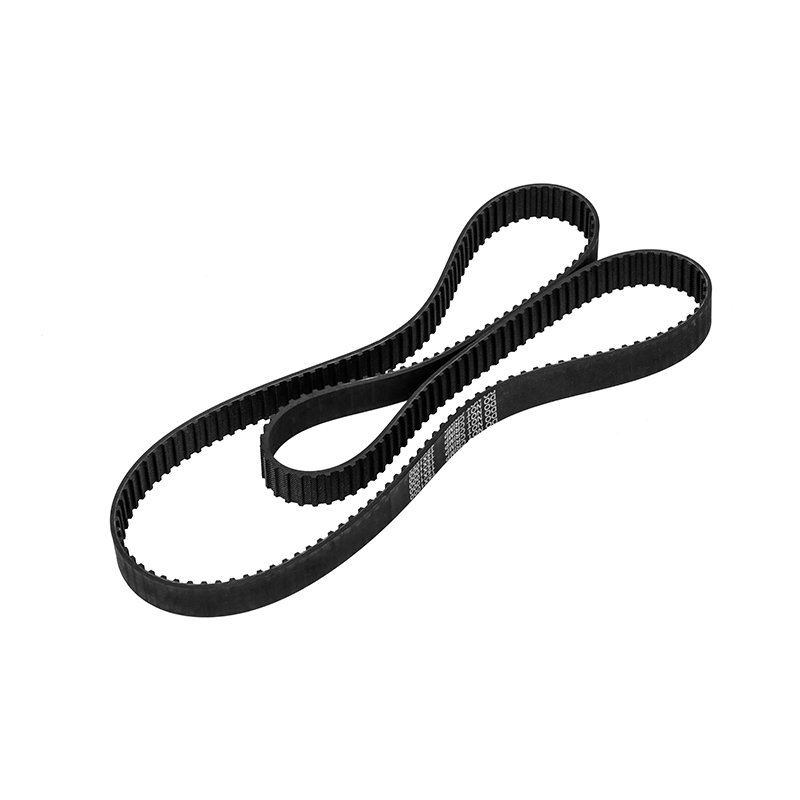
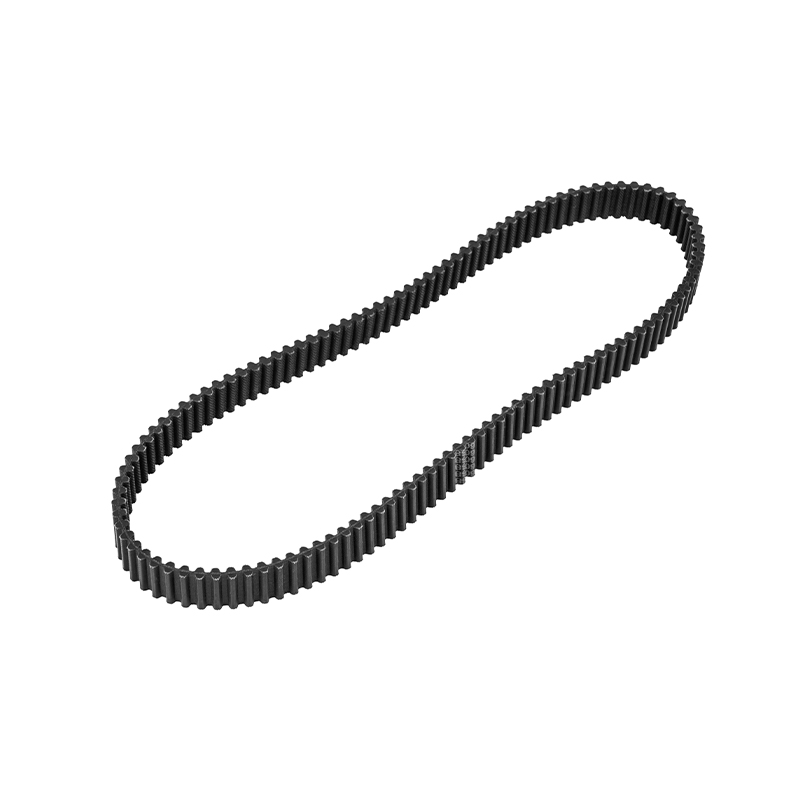
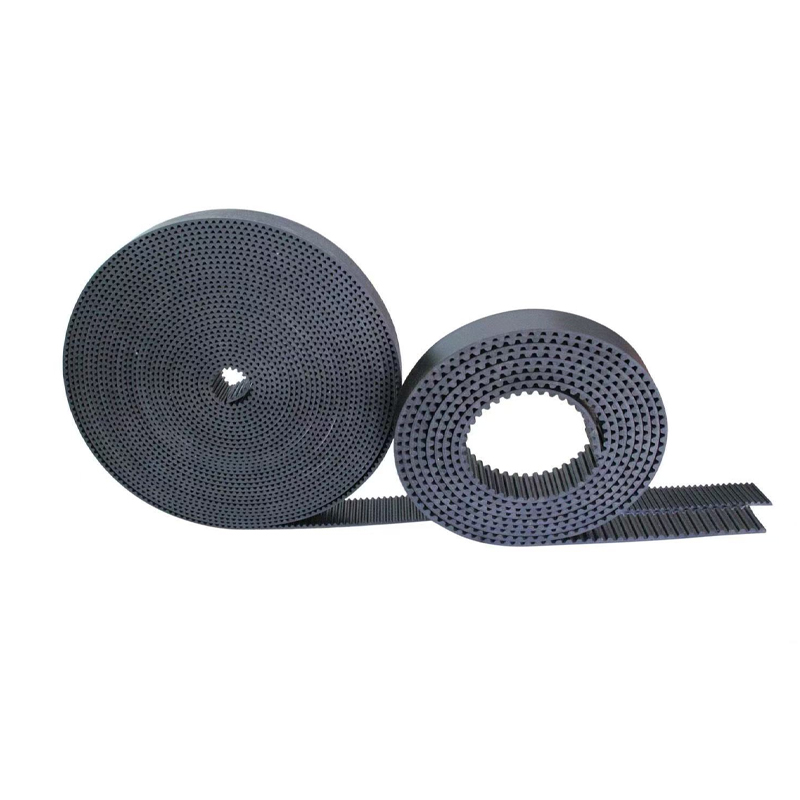
A rubber timing belt is a high-precision synchronous transmission component designed to transmit power between rotating shafts with zero slippage and a constant velocity ratio. Unlike standard V-belts that rely on friction, timing belts utilize molded teeth that engage with matching grooves on a pulley. The definitive takeaway for engineers and maintenance managers is that modern rubber timing belts, reinforced with fiberglass or aramid tensile cords, offer a mechanical efficiency of up to 98%. By maintaining exact phase relationships between components—such as a vehicle's crankshaft and camshaft or a robotic arm's motor and joint—these belts prevent catastrophic mechanical interference and ensure peak operational performance in environments ranging from automotive engines to high-speed industrial automation.
Anatomy and Material Composition
The reliability of a rubber timing belt is a result of its multi-layered composite structure. Each layer serves a specific constructive purpose to ensure the belt can withstand high-torque loads and environmental stressors.
The Elastomeric Body (HNBR and Chloroprene)
Most industrial timing belts are constructed from Chloroprene (Neoprene) or Highly Saturated Nitrile (HNBR). HNBR is the premium choice for modern automotive applications because it can operate in temperatures as high as 150°C and possesses superior resistance to oil and fuel degradation. The rubber body provides the flexibility needed to wrap around small pulleys while maintaining the structural integrity of the teeth.
Tensile Member (The Backbone)
The "strength" of the belt does not come from the rubber, but from the internal tensile cords. Fiberglass cords are the industry standard due to their high tensile strength and excellent resistance to elongation (stretching). In heavy-duty or high-shock applications, Aramid (Kevlar) cords are used because they provide superior impact resistance and can handle higher torque loads without snapping.
Nylon Tooth Facing
The teeth are covered with a tough, wear-resistant polyamide (nylon) fabric. This layer reduces the coefficient of friction during pulley engagement, which minimizes heat buildup and significantly reduces noise levels. In high-performance belts, this fabric may be treated with PTFE (Teflon) to further enhance durability and reduce the need for external lubrication.
Technical Specifications and Tooth Profiles
The geometry of the belt teeth, known as the "profile," dictates the load-carrying capacity and the noise characteristics of the drive system. Selecting the wrong profile can lead to "tooth jumping" (ratcheting) under load.
Table 1: Comparison of Industrial Rubber Timing Belt Profiles
| Profile Type |
Shape Description |
Load Capacity |
Primary Advantage |
| Trapezoidal (Classic) |
Flat-top, Angled sides |
Moderate |
High-speed precision |
| Curvilinear (HTD) |
Rounded/Semicircular |
High |
Superior torque transfer |
| Modified Curvilinear |
Deep-well parabolic |
Maximum |
Quiet / Anti-Ratcheting |
The "Pitch" is the most critical measurement, defined as the distance between the centers of two adjacent teeth. Common metric pitches include 3mm (3M), 5mm (5M), 8mm (8M), and 14mm (14M). In a constructive design, the larger the pitch, the higher the torque capacity, but the larger the minimum pulley diameter required.
Installation Best Practices and Tensioning
Even the highest quality rubber timing belt will fail prematurely if installed with incorrect tension. Proper tensioning ensures the teeth seat correctly in the pulley grooves.
- Avoid "Crimping" the Belt: Never bend a timing belt backwards or crimp it tightly. This can cause internal fractures in the fiberglass tensile cords, leading to sudden belt failure while the exterior rubber still looks brand new.
- Using a Sonic Tension Meter: For high-precision industrial drives, using the "thumb pressure" test is insufficient. A sonic tension meter measures the vibration frequency of the belt span to ensure it meets the exact Newton-meter specifications provided by the manufacturer.
- Pulley Alignment: Misalignment of even 0.5 degrees can cause the belt to track to one side, resulting in aggressive edge wear and heat buildup at the flange.
Analyzing Common Failure Modes
Predictive maintenance requires the ability to diagnose "symptoms" before they result in system downtime. By examining the wear patterns on a rubber timing belt, one can identify underlying mechanical issues.
Tooth Shear (Root Cracking)
If the teeth are sheared off at the base, it usually indicates extreme shock loading or incorrect (low) tension. When a belt is too loose, the teeth "ride up" the pulley groove, concentrating the force at the weakest point of the tooth root.
Backside Cracking
Cracks on the smooth outer surface of the belt are typically caused by exposure to extreme heat or ozone. In an engine bay, this suggests the belt has exceeded its service life or that a cooling fan has failed. If the cracks appear after a short duration, it may indicate that the belt was stored in direct sunlight or near electrical motors producing ozone.
Edge Fraying
Fraying of the tensile cords at the side of the belt is a classic sign of pulley misalignment or a damaged flange. Continued operation in this state will lead to a reduction in the belt's width, eventually causing it to snap under its rated load.
The Economics of Timely Replacement
In many systems, the timing belt is a "critical path" component. For example, in an interference engine, a snapped timing belt can result in the pistons striking the valves, leading to repair costs 10 to 20 times the price of the belt itself.
- Scheduled Intervals: Most automotive manufacturers recommend replacement every 60,000 to 100,000 miles (approx. 100,000 to 160,000 km). In industrial 24/7 environments, replacement should be based on operating hours and visual inspections every 2,000 hours.
- Proactive Component Replacement: When replacing a timing belt, it is constructive to also replace the tensioner and idler pulleys. A seized tensioner bearing will melt a brand-new belt within minutes of operation.
- Total Cost of Ownership (TCO): While high-performance HNBR belts have a higher initial cost, their extended service life and higher heat resistance result in a lower TCO by reducing labor costs and unplanned downtime.
Conclusion: Future Trends in Synchronous Drives
The rubber timing belt continues to evolve through advancements in polymer science and tensile materials. The emergence of carbon-fiber reinforced timing belts has allowed these components to replace heavy, lubricated chain drives in motorcycles and high-torque industrial mills, offering a cleaner, quieter, and maintenance-free alternative. As automation becomes more precise, the demand for low-dust and non-marking rubber belts for the electronics and food processing industries is driving further innovation. By understanding the mechanical limits and environmental requirements of these components, engineers can ensure that their synchronous drive systems remain the most reliable part of their machinery.


 Inquiry

 English
 中文简体
中文简体