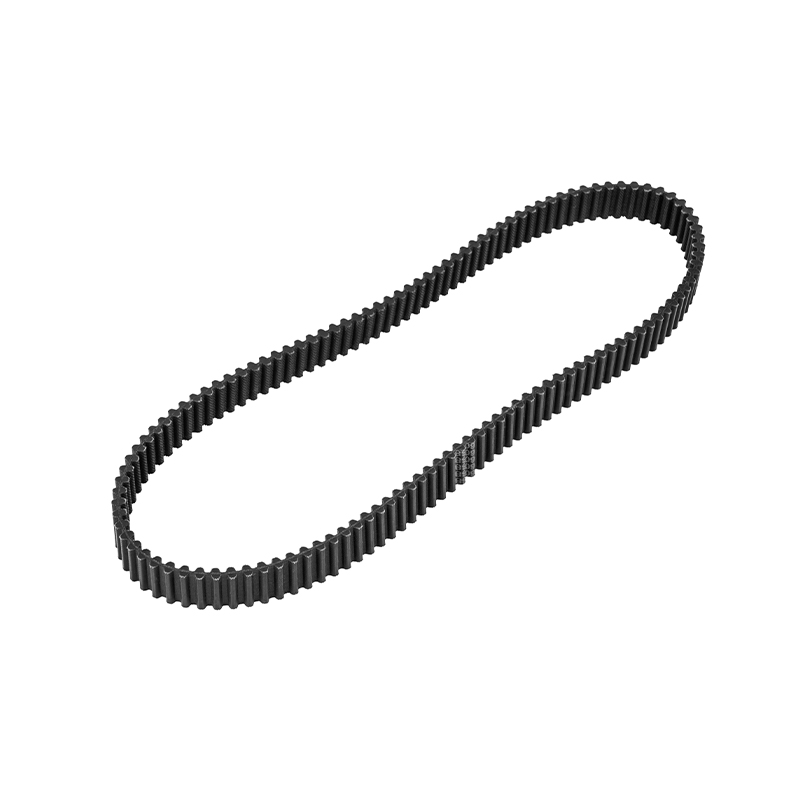
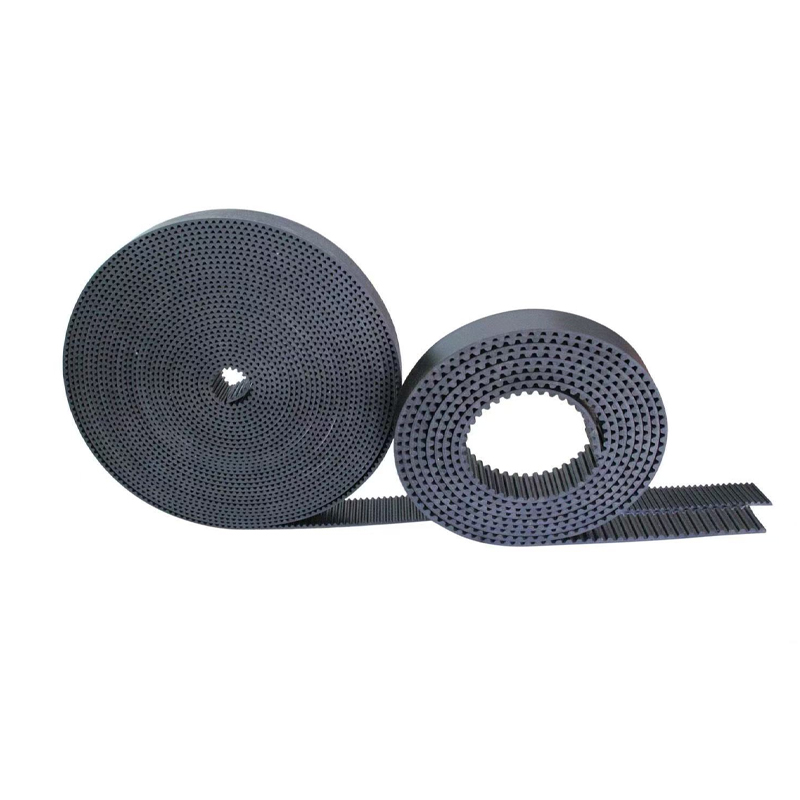
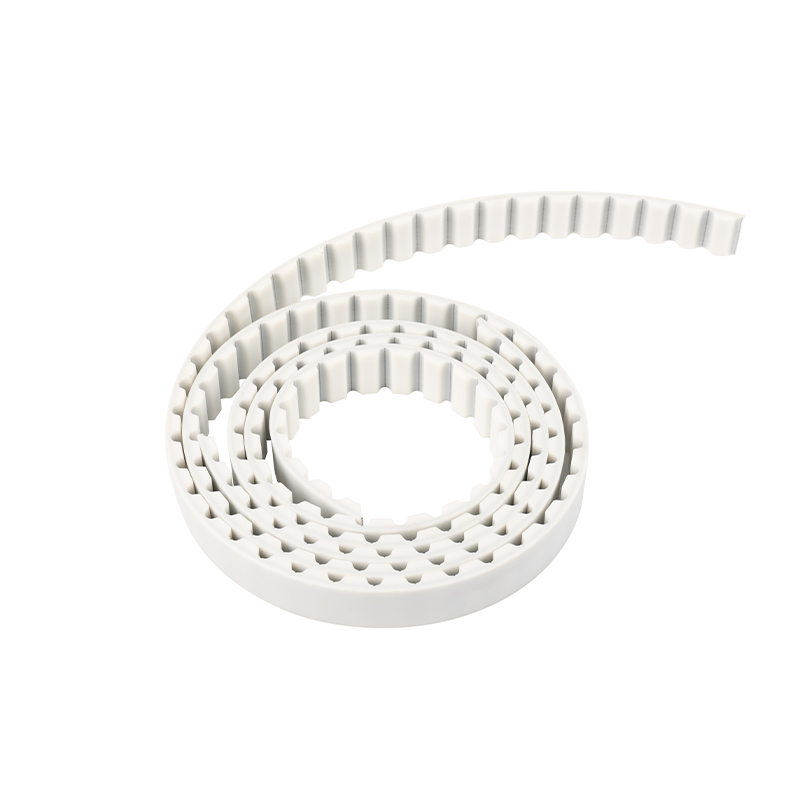
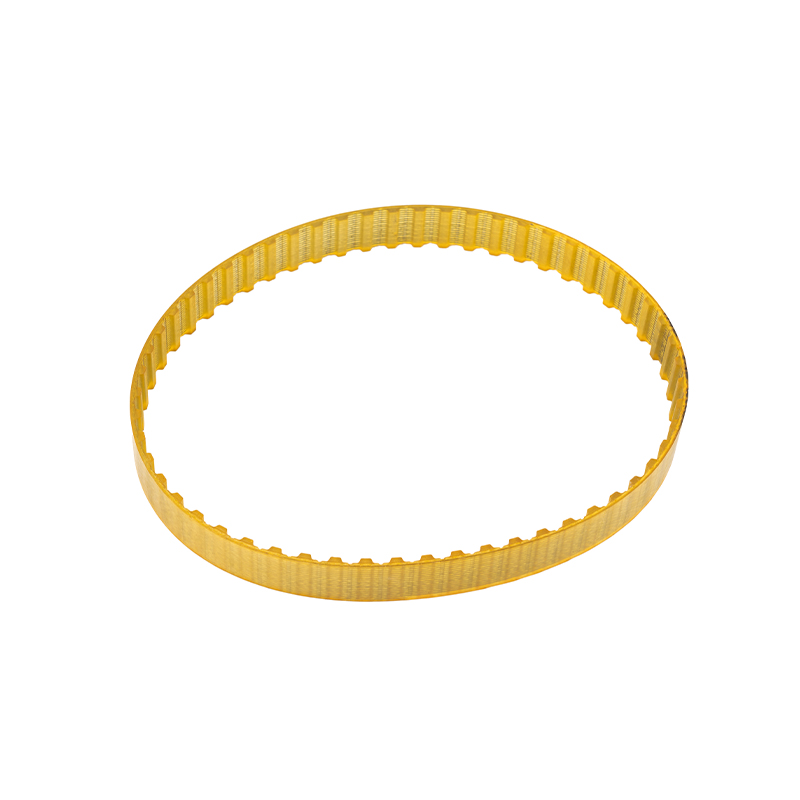
Changing a timing belt is a moderate-to-difficult DIY task for automotive applications, typically rated 6–8 out of 10 in difficulty. It requires specialized tools, mechanical knowledge, and precise timing alignment. For industrial timing belts — including rubber timing belts, PU timing belts, and polyurethane timing belts — replacement complexity varies widely depending on the machine design, belt type, and tensioning system. Most experienced mechanics complete an automotive timing belt job in 3–6 hours; industrial belt swaps on accessible machinery can take as little as 30 minutes.
This guide breaks down exactly what makes timing belt changes challenging, what tools and skills you need, and how your choice of belt material — rubber vs. polyurethane — affects both installation and long-term performance.
What Makes Changing a Timing Belt Difficult
The difficulty of a timing belt replacement is driven by three core factors: access, precision, and consequences of error. Unlike a serpentine belt, the timing belt is buried inside the engine or deep within a machine's drive system, protected by covers that must be removed before any work begins.
Key Difficulty Factors
- Timing alignment: Misaligning the crankshaft or camshaft by even one tooth can cause engine misfires, power loss, or catastrophic valve-to-piston contact on interference engines.
- Component access: On many vehicles, reaching the timing belt requires removing the engine mount, harmonic balancer, water pump, and multiple covers — adding hours to the job.
- Tensioner and idler setup: Proper belt tension is critical. Too loose causes slippage; too tight accelerates wear on bearings and the belt itself.
- Related components: Mechanics typically recommend replacing the water pump, tensioner, and idler pulleys simultaneously, increasing scope and cost.
- Torque specifications: Fasteners must be tightened to exact specifications — errors here risk stripped threads or component failure.
For industrial machinery, difficulty is lower if the machine is well-designed with open belt runs. However, CNC machines, printing presses, and conveyor systems with enclosed drives present similar access challenges to automotive engines.
Timing Belt Replacement Difficulty by Vehicle Type
Not all timing belt jobs are equally demanding. The table below compares typical difficulty levels across common vehicle and engine types.
Estimated time and difficulty for timing belt replacement across common platforms
| Vehicle / Engine Type |
Difficulty (1–10) |
Avg. Labor Time |
Interference Engine Risk |
| 4-cylinder inline (e.g., Honda Civic) |
5/10 |
3–4 hours |
Yes |
| V6 transverse-mounted (e.g., Toyota Camry V6) |
7/10 |
5–7 hours |
Yes |
| V8 longitudinal (e.g., Ford Mustang 4.6L) |
8/10 |
6–9 hours |
Yes |
| Diesel engine (e.g., VW TDI) |
9/10 |
7–10 hours |
Yes (high risk) |
| Non-interference engine (e.g., some Subaru EJ) |
5/10 |
3–5 hours |
No |
Tools and Skills Required for the Job
Before attempting a timing belt change, confirm you have both the tools and the foundational skills. Missing either significantly raises the risk of a failed job.
Essential Tools
- Timing light or crankshaft locking tool (engine-specific)
- Harmonic balancer puller
- Torque wrench (capable of 10–150 ft-lbs range)
- Camshaft alignment/locking pins (vehicle-specific)
- Socket set, ratchets, and breaker bar
- Service manual with timing marks diagram
Required Skills
- Ability to read and interpret engine timing diagrams
- Comfort with engine disassembly and reassembly sequences
- Understanding of tensioner preload and belt tension measurement
- Experience with torque specifications and fastener types
If you have successfully completed engine work such as head gasket replacement or valve cover gasket jobs, a timing belt replacement is within reach. First-timers with no prior engine experience should strongly consider professional installation, especially on interference engines where a single mistake can destroy the engine.
Rubber Timing Belt vs. Polyurethane Timing Belt: Which Is Harder to Install?
Belt material directly affects installation ease, replacement frequency, and performance under load. Understanding the differences between a rubber timing belt and a PU (polyurethane) timing belt helps you make the right choice — especially for industrial applications where downtime is expensive.
Rubber Timing Belts
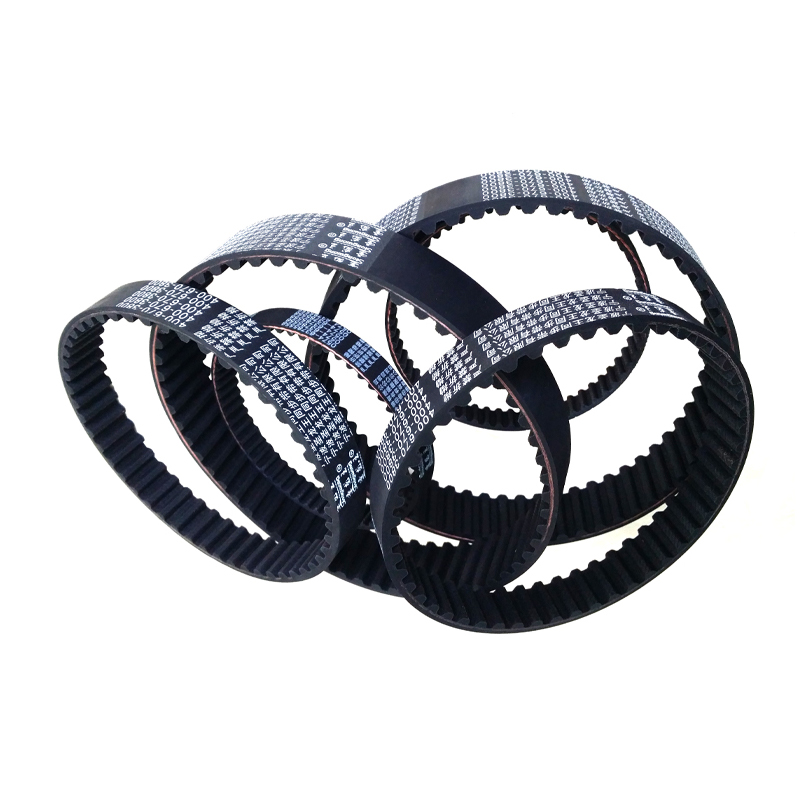
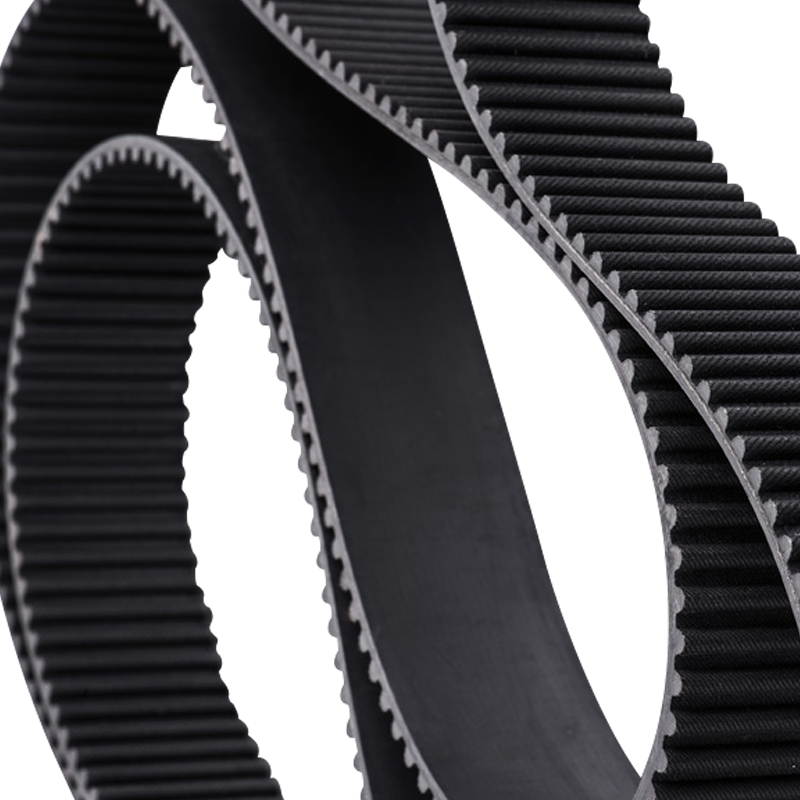
Traditional rubber timing belts are made from neoprene or EPDM rubber reinforced with fiberglass or aramid cord. They are the standard choice for most automotive engines and many general-purpose industrial drives.
- Flexibility: High flexibility makes routing around pulleys easier, especially in tight engine bays.
- Replacement interval: Typically 60,000–100,000 miles for automotive use; shorter in high-temperature or oily environments.
- Sensitivity to contaminants: Oil and coolant contamination rapidly degrade rubber, making replacement more urgent and sometimes more frequent.
- Cost: Lower upfront cost — automotive rubber belt kits typically range from $25–$80 for the belt alone.
PU / Polyurethane Timing Belts
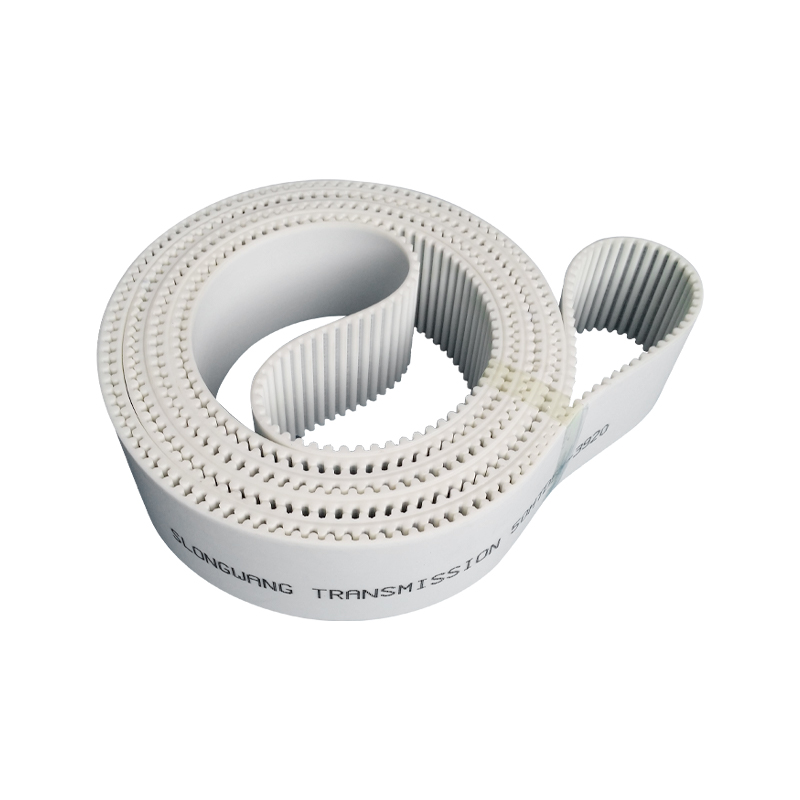
Polyurethane timing belts are the dominant choice for precision industrial drives — CNC machines, robotics, medical equipment, and servo-driven automation. They are typically reinforced with steel or Kevlar tension members and offer significantly different handling characteristics compared to rubber.
- Rigidity: PU belts are stiffer, which means they require more precise alignment during installation. Misalignment causes rapid edge wear.
- Dimensional stability: Polyurethane has near-zero elongation under load, making it ideal for positioning applications but requiring correct initial tensioning — there is little margin for error.
- Chemical resistance: PU belts resist oils, greases, and many solvents far better than rubber, reducing unplanned replacements in contaminated environments.
- Service life: In properly aligned, clean industrial systems, PU timing belts can last 3–5× longer than equivalent rubber belts.
- Cost: Higher upfront — industrial PU timing belts range from $30 to several hundred dollars depending on width, pitch, and length.
Head-to-Head Comparison: Rubber vs. PU Timing Belt
Side-by-side performance and installation comparison of rubber and polyurethane timing belts
| Property |
Rubber Timing Belt |
PU / Polyurethane Timing Belt |
| Flexibility |
High — easy to route |
Lower — stiffer material |
| Installation difficulty |
Moderate |
Moderate to high (alignment critical) |
| Temperature range |
–30°C to +120°C |
–30°C to +100°C (standard PU) |
| Oil/chemical resistance |
Poor to moderate |
Excellent |
| Positioning accuracy |
Moderate |
High (low elongation) |
| Typical service life |
60,000–100,000 mi / 2–4 years industrial |
Up to 3–5× longer in ideal conditions |
| Noise level |
Low |
Very low |
| Primary application |
Automotive engines, general industrial |
CNC, robotics, medical, servo drives |
Step-by-Step Overview: How a Timing Belt Change Works
Whether you are working on an automotive engine or an industrial drive, the core process follows a similar sequence. Here is a general framework for an automotive timing belt replacement:
- Set the engine to TDC (Top Dead Center): Rotate the crankshaft until timing marks align, confirming the engine is at the correct starting position.
- Remove obstructing components: This may include the engine cover, right-side engine mount, serpentine belt, harmonic balancer, and timing covers — often the most time-consuming part.
- Lock camshaft and crankshaft positions: Insert locking pins or use a timing tool kit to prevent rotation during belt removal.
- Release tensioner and remove old belt: Loosen the tensioner, slide the old belt off the pulleys, and inspect all pulleys and the water pump for wear.
- Install new belt and components: Route the new belt per the service diagram, ensuring correct tooth engagement on every sprocket.
- Set tensioner and verify timing: Apply correct tensioner preload, rotate engine two full turns by hand, and recheck all timing marks.
- Reassemble and test: Reinstall all removed components in reverse order, torque all fasteners to spec, and start the engine to verify correct operation.
For industrial PU timing belt replacement, the same principles apply: mark the original belt position, match tooth count exactly, align pulleys within 0.5mm of parallelism, and measure tension with a belt frequency meter if available. Incorrect tension on a polyurethane belt is the leading cause of premature failure in servo systems.
Common Mistakes That Make Timing Belt Changes Harder
Even experienced mechanics can run into trouble. These are the most costly and common errors to avoid:
- Skipping the water pump: On most engines, the water pump is driven by the timing belt. Since labor cost dominates the job, replacing a worn pump simultaneously saves $200–$400 in future labor.
- Not locking camshaft position: Allowing the camshaft to rotate even slightly during belt removal causes timing marks to shift, making reassembly much harder.
- Reusing the old tensioner: Tensioners have a finite lifespan. A failed tensioner after a new belt installation can cause immediate belt failure and engine damage.
- Wrong belt for the pitch: For PU and rubber belts alike, using the wrong pitch (e.g., substituting a T5 for an AT5) results in incorrect tooth engagement and rapid belt damage.
- Over-tensioning a polyurethane timing belt: PU belts do not stretch-in like rubber. Setting tension too high on installation immediately overloads bearing races and can crack the belt body.
When to DIY vs. When to Hire a Professional
The decision to tackle a timing belt change yourself should be based on realistic self-assessment. Use the guidelines below:
DIY Is Reasonable If:
- You have completed intermediate engine work before (valve covers, water pump, accessory belts)
- You own or can rent the necessary locking tools for your specific engine
- You have access to a factory service manual or verified vehicle-specific guide
- The engine is a non-interference type (a timing error will not destroy the engine)
Hire a Professional If:
- This is your first timing belt job on an interference engine
- You lack vehicle-specific locking tools and cannot source them
- The job involves a transversely-mounted V6 or diesel engine with complex access requirements
- Professional labor quotes fall under $500–$700 — often the case for straightforward 4-cylinder jobs at independent shops
For industrial PU or rubber timing belt replacement on CNC or servo systems, always consult the machine's OEM service documentation. Incorrect tensioning of a polyurethane belt in a precision drive system can create positioning errors measuring in microns — undetectable visually but damaging to output quality.
Choosing the Right Timing Belt for Your Application
Selecting between a rubber and polyurethane timing belt is not just a material preference — it is a performance and maintenance decision.
- Automotive engines: Always use OEM-specified rubber (EPDM or neoprene) timing belts. PU belts are not suitable for high-temperature, high-RPM engine environments.
- CNC routers and 3D printers: PU timing belts with steel tension cords are the standard — they provide the dimensional accuracy required for precise positioning.
- Conveyor and packaging machinery: Choose PU if the environment involves oils, cleaning agents, or washdown. Rubber is acceptable in clean, dry, moderate-temperature conditions.
- Food and pharmaceutical equipment: Use FDA-compliant polyurethane timing belts — they resist contamination, tolerate cleaning chemicals, and meet regulatory requirements.
- High-load industrial drives: Rubber belts in standard or high-torque profiles handle heavy loads well at lower cost, provided operating temperatures and contamination levels remain within spec.


 Inquiry

 English
 中文简体
中文简体