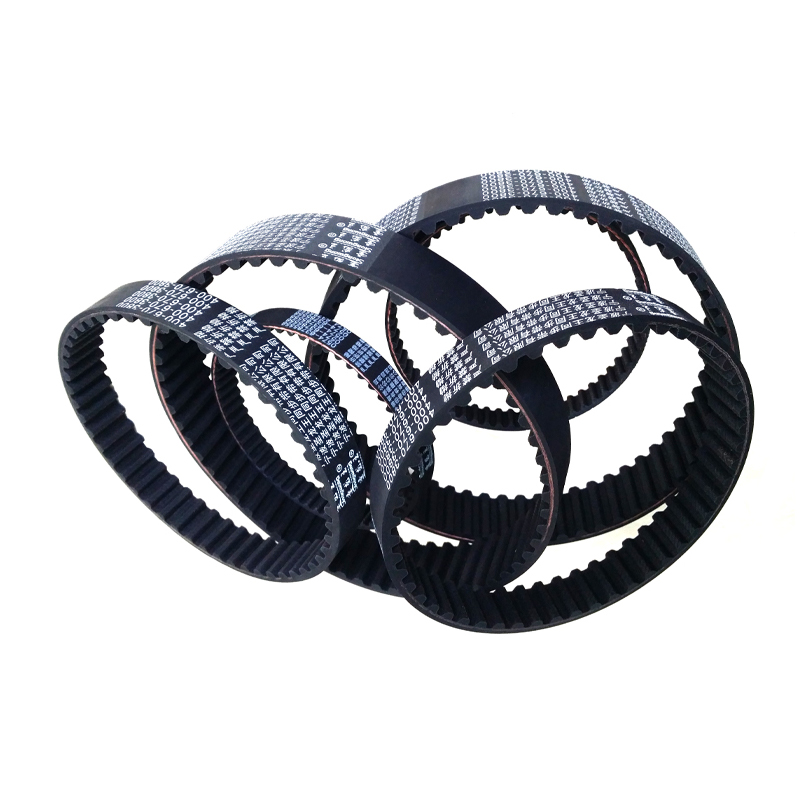
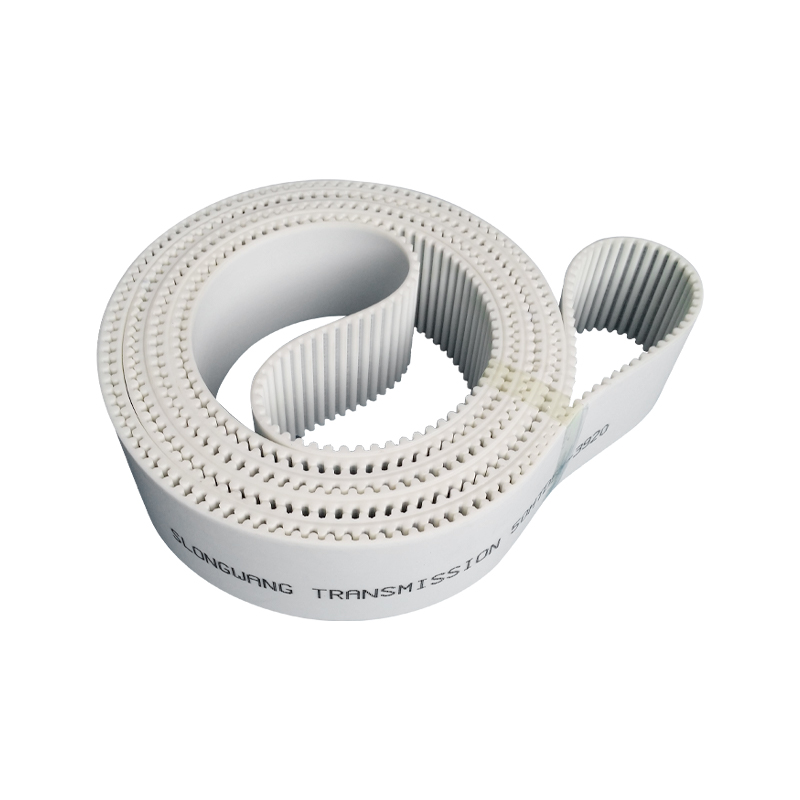
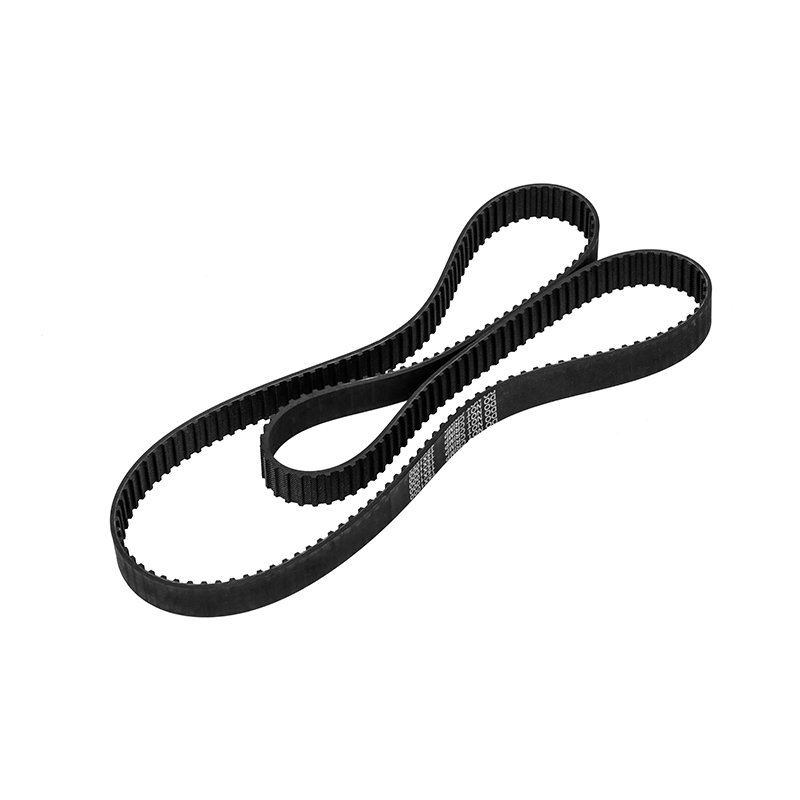
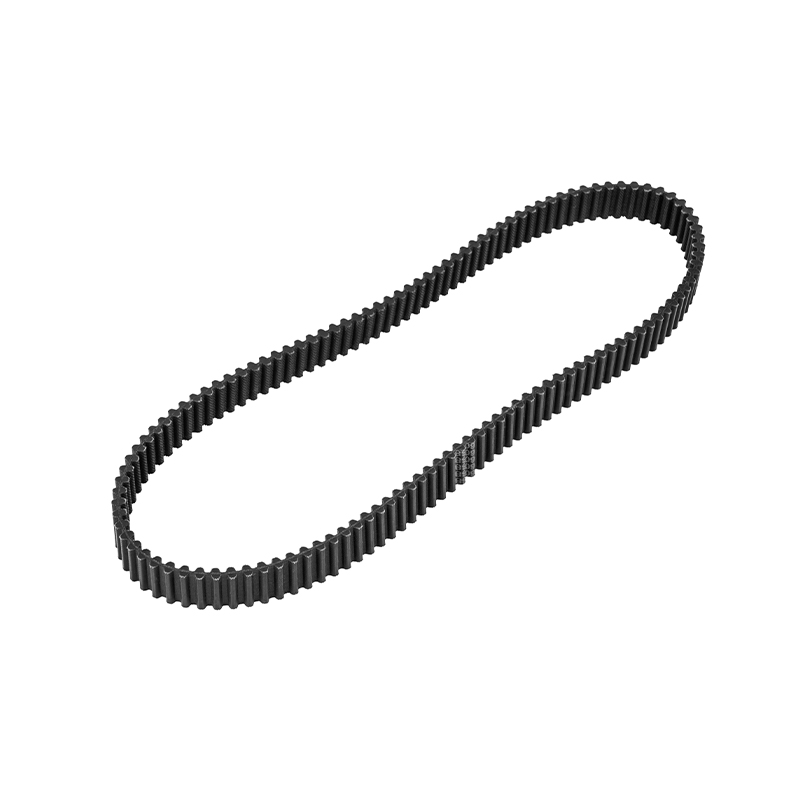
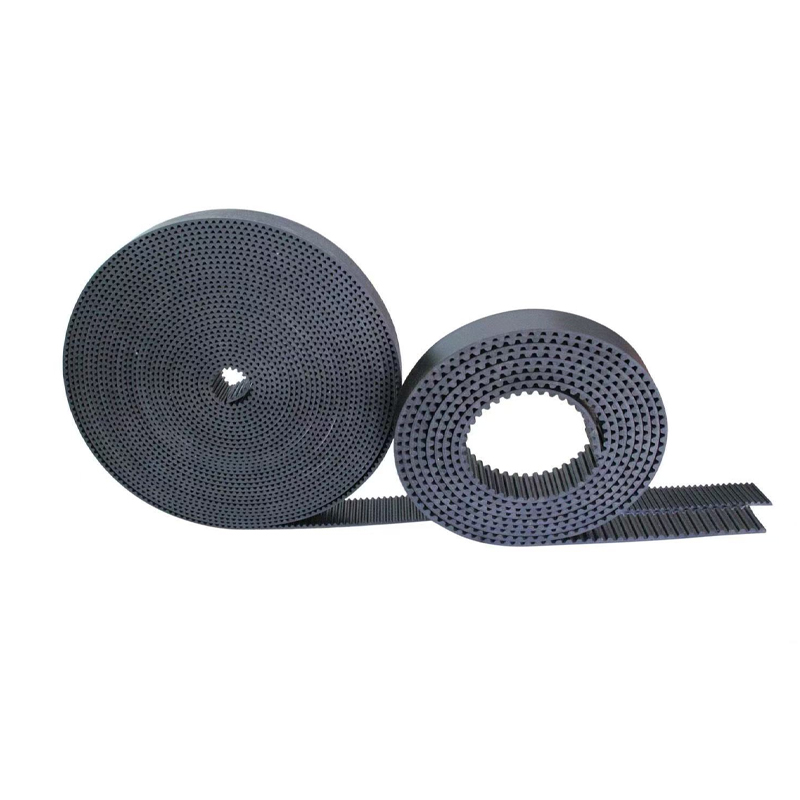
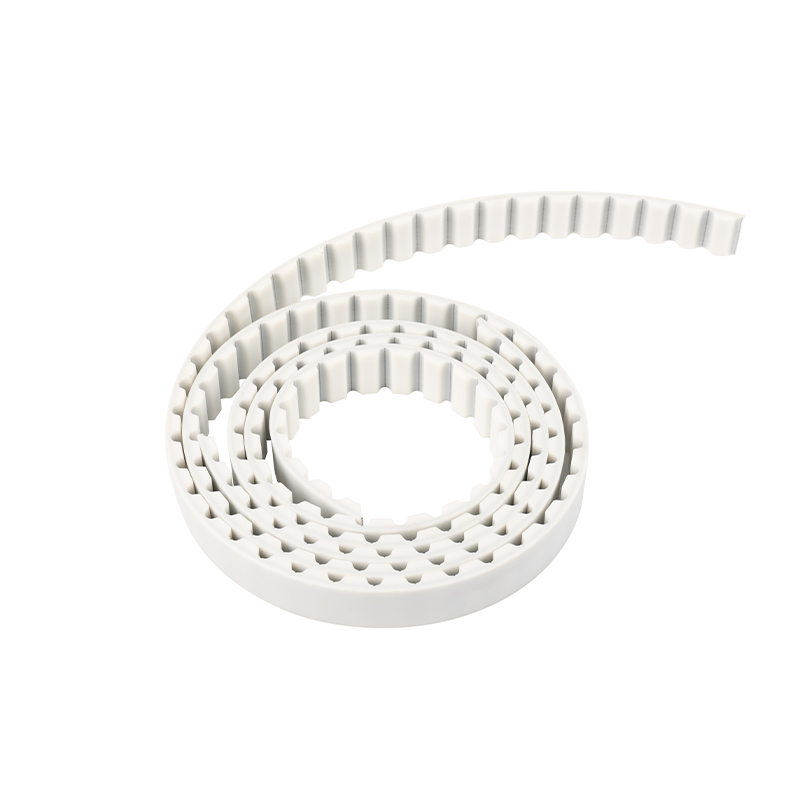
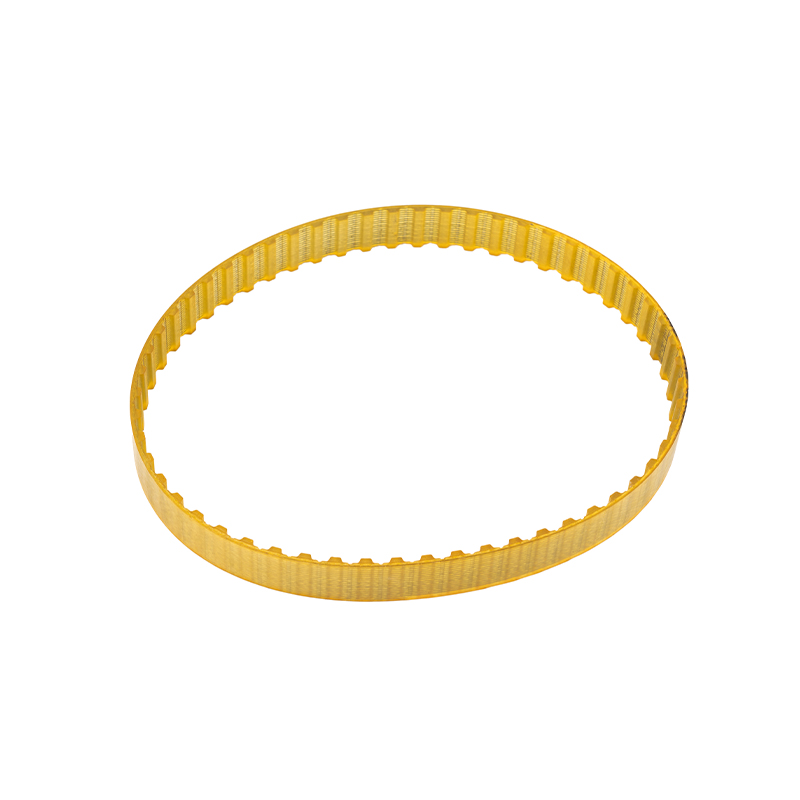
A timing belt and a serpentine belt are two completely different components that serve unrelated functions in an engine — confusing them is one of the most common and costly mistakes vehicle owners make. The rubber timing belt is an internally toothed synchronization belt that keeps the crankshaft and camshaft(s) rotating in precise coordination, controlling valve timing to within fractions of a degree. The serpentine belt is a smooth or ribbed external drive belt that transfers rotational power from the crankshaft to accessories such as the alternator, power steering pump, and air conditioning compressor. Both are made primarily from reinforced rubber, both will fail without scheduled replacement — but their failure consequences, replacement intervals, and costs are dramatically different.
What a Rubber Timing Belt Actually Does
The rubber timing belt — also called a cam belt — is one of the most mechanically critical components in an engine. It connects the crankshaft sprocket at the bottom of the engine to the camshaft sprocket(s) at the top, maintaining an exact 2:1 rotational ratio: for every two full rotations of the crankshaft, the camshaft rotates once. This synchronization is what opens and closes the intake and exhaust valves at precisely the right moment in the combustion cycle.
Construction of a Rubber Timing Belt
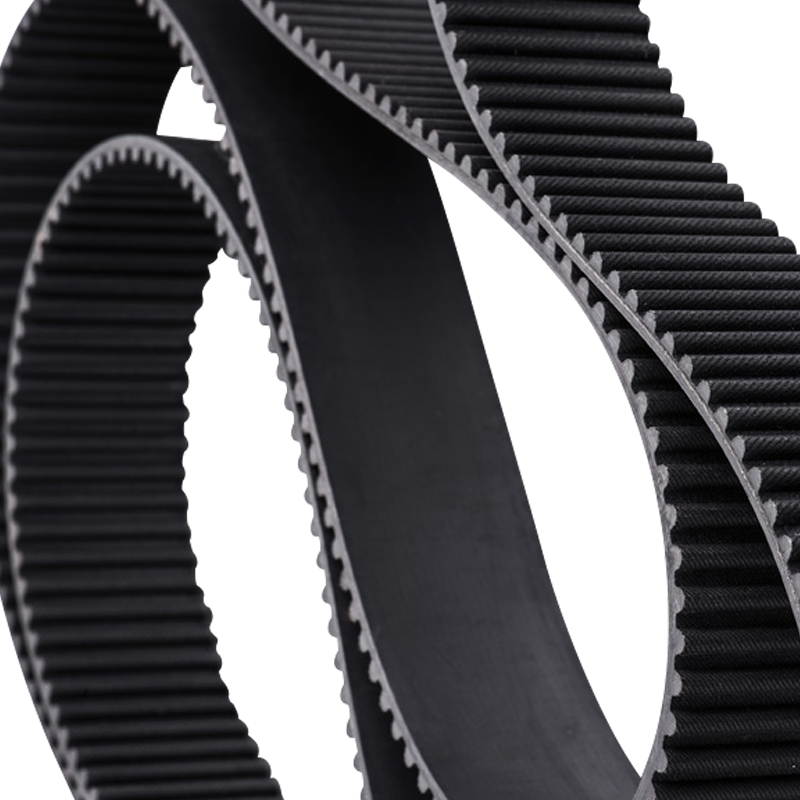
Modern rubber timing belts are engineered composites, not simple rubber loops. A typical construction includes:
- Neoprene or HNBR (hydrogenated nitrile butadiene rubber) outer body — resistant to heat, oil mist, and ozone; HNBR-based belts withstand continuous temperatures up to 130°C vs. 100°C for standard neoprene
- Fiberglass or aramid (Kevlar) tension cords — the load-bearing core that prevents belt elongation under cyclic tension loads; aramid cords offer roughly 2× the tensile strength of fiberglass at equivalent thickness
- Nylon fabric tooth facing — reduces friction between belt teeth and sprocket grooves, minimizing wear and noise while improving engagement accuracy
- Precision-molded teeth — typically trapezoidal (older designs) or curvilinear/HTCR profiles (modern designs) for smooth load transfer and reduced tooth shear stress
What Happens When a Rubber Timing Belt Fails
Timing belt failure is not a roadside inconvenience — it is frequently an engine-destroying event. In interference engines (the majority of modern passenger car engines), the pistons and valves occupy the same cylinder space at different times, relying entirely on the timing belt to keep them separated. If the belt skips teeth or snaps:
- Pistons collide with open valves at speeds of up to 6,000 RPM
- Bent valves, cracked pistons, and damaged cylinder heads result — repair costs typically range from $2,000 to $6,000+
- In severe cases, the engine block itself is damaged beyond economical repair
In non-interference (free-wheeling) engines, timing belt failure causes the engine to stall and stop, but no internal damage occurs. Subaru's EJ-series flat-four and Honda's older SOHC engines are notable non-interference designs, but these are increasingly rare in modern vehicles.
What a Serpentine Belt Does and How It Differs
The serpentine belt — named for its winding path around multiple pulleys — is an accessory drive belt, not a synchronization component. It carries rotational power from the crankshaft pulley (harmonic balancer) outward to engine accessories. A single serpentine belt typically drives all of the following simultaneously:
- Alternator (battery charging and electrical system)
- Power steering pump (on hydraulic power steering systems)
- Air conditioning compressor
- Water pump (on many engine designs)
- Air pump (emissions systems on some engines)
The serpentine belt is kept under tension by a spring-loaded automatic tensioner, which replaced the older system of separate V-belts with manual tensioning. Its ribbed underside (EPDM or neoprene poly-V profile) grips the pulleys without teeth — it transmits force through friction, not positive mechanical engagement.
Consequences of Serpentine Belt Failure
Serpentine belt failure is serious but rarely causes internal engine damage. When the serpentine belt breaks or slips off:
- The alternator stops charging — the battery will deplete and the engine will stall within 15–45 minutes depending on battery state and electrical load
- Power steering is lost (on hydraulic systems), making steering significantly heavier
- Air conditioning ceases immediately
- If the water pump is driven by the serpentine belt, the engine will overheat within minutes — this scenario can cause head gasket failure or a warped cylinder head, escalating repair costs significantly
Timing Belt vs Serpentine Belt: Direct Comparison
The table below summarizes the key differences between a rubber timing belt and a serpentine belt across every dimension that matters for maintenance and ownership decisions.
| Feature |
Rubber Timing Belt |
Serpentine Belt |
| Primary function |
Synchronize crankshaft and camshaft(s) |
Drive engine accessories |
| Drive mechanism |
Positive tooth engagement |
Friction (ribbed profile) |
| Belt surface |
Internally toothed (one side) |
Ribbed poly-V (one side), flat or ribbed (back) |
| Location on engine |
Inside engine, enclosed cover |
Outside engine, externally accessible |
| Typical replacement interval |
60,000–105,000 miles (96,000–168,000 km) |
60,000–100,000 miles (96,000–160,000 km) |
| Average replacement cost |
$400–$1,000 (labor-intensive) |
$80–$200 (straightforward) |
| Failure consequence |
Potential engine destruction ($2,000–$6,000+) |
Loss of accessories; possible overheating |
| Warning signs before failure |
Rarely visible; occasional ticking noise |
Squealing, cracking, fraying — often visible |
| Visual inspection possible? |
No — requires cover removal |
Yes — visible from engine bay |
| Alternative design used by some manufacturers |
Timing chain (metal, longer lifespan) |
Multiple V-belts (older vehicles) |
Side-by-side comparison of rubber timing belts and serpentine belts across function, maintenance, cost, and failure consequences.
Rubber Timing Belt Materials: Why Compound Choice Matters
The rubber compound used in a timing belt directly determines its temperature resistance, chemical compatibility, and service life — three factors that separate OEM-quality belts from low-cost replacements.
Neoprene (CR — Chloroprene Rubber)
The original material for rubber timing belts. Neoprene offers good oil and ozone resistance with a continuous operating temperature range of -40°C to +100°C. It remains adequate for older engine designs with lower thermal output but is increasingly being replaced by HNBR in modern applications due to its lower heat ceiling.
HNBR (Hydrogenated Nitrile Butadiene Rubber)
The current premium standard for rubber timing belts. HNBR delivers continuous service at up to 130–150°C, with significantly better resistance to engine oil contamination, coolant splash, and ozone degradation. Most OEM timing belts supplied after 2000 use HNBR or HNBR blends. When a timing belt replacement uses an HNBR belt in an engine that was originally equipped with neoprene, service life can increase by 20–40%.
HSN and Specialty Rubber Compounds
For racing and high-performance applications, highly saturated nitrile (HSN) and EPDM-blended compounds extend heat resistance beyond 150°C and provide enhanced fatigue resistance under high-RPM cycling. These are found in motorsport timing belt applications rather than standard passenger vehicle aftermarket replacements.
Reinforcement Cord Comparison
- Fiberglass cords: Standard in most OEM and quality aftermarket belts. Low elongation, good fatigue resistance, cost-effective. Tensile strength approximately 1,500–2,000 N per cord.
- Aramid (Kevlar) cords: Used in performance and heavy-duty timing belts. Tensile strength of 3,000–4,000 N per cord with near-zero creep under sustained load. Required for engines with high valve spring pressures or performance camshafts.
- Carbon fiber cords: Emerging in ultra-high-performance applications. Exceptional stiffness but brittle under sharp bending — limited to large-diameter, lightly curved belt paths.
Rubber Timing Belt vs. Timing Chain: The Other Important Comparison
When researching timing belts, many vehicle owners also need to understand whether their engine uses a rubber timing belt or a timing chain — two very different approaches to camshaft synchronization.
| Attribute |
Rubber Timing Belt |
Timing Chain |
| Material |
Reinforced rubber composite |
Hardened steel |
| Expected lifespan |
60,000–105,000 miles |
150,000–200,000+ miles (engine life) |
| Scheduled replacement required? |
Yes — mandatory |
No (oil-lubricated; replace only if worn) |
| Noise level |
Near-silent |
Audible rattle when worn or cold |
| Weight |
Light |
Heavier |
| Lubrication required? |
No (dry operation) |
Yes (engine oil) |
| Replacement cost |
$400–$1,000 (routine) |
$800–$1,800 (infrequent) |
| Common failure mode |
Belt snap or tooth shear |
Chain stretch, guide wear, tensioner failure |
Key differences between rubber timing belts and metal timing chains across lifespan, maintenance requirements, and cost.
Timing chains dominated engines until the 1970s, were largely replaced by rubber timing belts through the 1980s–2000s for their weight and noise advantages, and have been making a strong comeback since the 2010s in engines designed for high longevity. If your vehicle's manufacturer specifies a rubber timing belt, there is no "upgrade" to a chain — the engine was designed for belt geometry.
Warning Signs: How to Identify a Failing Timing Belt or Serpentine Belt
One of the most critical practical differences between these two belts is how detectable their deterioration is before failure occurs.
Signs of a Deteriorating Rubber Timing Belt
Because the timing belt runs inside a sealed cover without oil lubrication, wear is difficult to detect without removing the cover. Warning signs that do appear include:
- Ticking or slapping noise from the front of the engine — may indicate belt has begun skipping teeth or the tensioner has weakened
- Engine misfires or rough idle — a slightly skipped timing belt shifts valve timing out of specification, affecting combustion efficiency
- Oil leaks onto the timing cover — oil contamination accelerates rubber degradation; a camshaft seal or crankshaft seal leak near the belt is a critical red flag requiring immediate attention
- Engine cranks but won't start — in some cases the only indication of a broken timing belt is a cranking engine that fires no cylinders
The most reliable warning sign for timing belt replacement is mileage — not symptom observation. Waiting for symptoms before replacing is how engines get destroyed.
Signs of a Failing Serpentine Belt
Unlike timing belts, serpentine belts are externally visible and audible as they degrade. Common warning signs include:
- Squealing or chirping on cold start — glazed belt surface slipping on pulleys before warming up
- Visible cracking across the ribs — EPDM belts wear differently than older neoprene; use a belt wear gauge or count cracks per inch (more than 3 cracks per 3-inch segment indicates replacement is due)
- Battery warning light — alternator not spinning at full speed due to belt slippage
- Power steering stiffness — reduced belt grip on the power steering pump pulley
- Frayed edges or missing rib sections — visible on inspection; indicates imminent failure
Replacement Intervals and What to Replace at the Same Time
Following manufacturer-specified replacement intervals is non-negotiable for timing belts. For serpentine belts, manufacturer intervals provide a safety ceiling, but physical inspection can guide timing.
Note also that rubber timing belts have a time-based degradation component independent of mileage. Most manufacturers specify replacement at the mileage interval or 7–10 years, whichever comes first. A low-mileage vehicle driven only 5,000 miles per year still needs timing belt replacement at the age threshold.
Components to Replace Simultaneously
Because timing belt replacement requires significant disassembly, it is strongly recommended — and often required by warranty — to replace related components at the same time. Failure to do so risks premature re-failure of the new belt:
- Timing belt tensioner and idler pulley(s) — bearing failure in these causes immediate belt failure; replacing them costs $50–$150 extra but avoids a $1,000+ repeat job
- Water pump — if driven by the timing belt (most 4-cylinder engines), replacing it simultaneously adds $50–$150 in parts; the alternative is pulling the timing belt again in 20,000 miles when the pump fails
- Camshaft and crankshaft seals — oil leaks from worn seals contaminate and prematurely destroy the new rubber timing belt
- Thermostat — already accessible during water pump replacement; inexpensive insurance against overheating
How to Identify Whether Your Engine Has a Timing Belt or Timing Chain
This is a question every vehicle owner should know the answer to definitively. Several methods can confirm which system your engine uses:
- Check the owner's manual: The maintenance schedule section explicitly lists timing belt replacement if applicable. No such entry means the engine uses a chain.
- Look for a plastic timing cover: A plastic cover on the front of the engine (typically driver's side, behind the crankshaft pulley) almost always encloses a rubber timing belt. Metal covers are more common with timing chains.
- Listen at startup: A brief metallic rattle from the front of the engine on cold start that disappears after a few seconds is characteristic of a timing chain and tensioner receiving oil pressure. Timing belt engines start quietly.
- Use manufacturer VIN lookup tools: Manufacturer websites and databases like Gates, Dayco, or Contitech's belt lookup tools identify timing belt applicability by VIN or engine code.
Choosing Quality Replacement Timing Belt Kits: What to Look For
Not all replacement rubber timing belts are equal. The aftermarket contains a wide range of quality levels, and selecting an inferior belt for a cost saving of $20–$50 is a poor trade-off given what is at stake.
Red Flags to Avoid
- Unbranded or generic timing belts sold at 40–60% below OEM price — rubber compound and cord quality cannot be verified
- Kits where tensioner and idler bearings feel rough or gritty when spun by hand before installation
- Belts with visible asymmetry in tooth spacing or uneven fabric weave on the tooth face — indicators of poor manufacturing quality control
Cost Analysis: Preventive Replacement vs. Failure Repair
The economic case for proactive timing belt replacement is straightforward. The numbers make the decision obvious:
| Scenario |
Typical Cost Range |
Engine Risk |
Downtime |
| Timing belt + kit (preventive) |
$400–$1,000 |
None |
4–8 hours |
| Timing belt failure — non-interference engine |
$400–$1,000 + towing ($100–$300) |
None |
1–2 days |
| Timing belt failure — interference engine (valve damage) |
$2,000–$4,500 |
High |
1–2 weeks |
| Timing belt failure — engine replacement needed |
$4,000–$8,000+ |
Total loss |
2–4 weeks |
| Serpentine belt (preventive) |
$80–$200 |
None |
30–60 minutes |
| Serpentine belt failure (with overheating damage) |
$200–$2,500 |
Medium (overheating) |
1–5 days |
Cost comparison between preventive belt replacement and reactive failure repair for timing belts and serpentine belts.
The preventive replacement cost of a rubber timing belt kit represents less than 10–20% of the repair cost in a worst-case interference engine failure. It is one of the highest-return maintenance investments in automotive ownership.


 Inquiry

 English
 中文简体
中文简体