Polyurethane timing belts are generally better for precision, high-load, and long-service-life applications, while rubber timing belts are the superior choice for high-speed, high-temperature, and cost-sensitive uses. Neither material wins across the board—the right choice depends on your specific operating conditions, load type, environment, and budget. This article breaks down every key difference with data to help you decide.
Material Composition and Core Characteristics
Understanding what each belt is made of explains most of their behavioral differences in real applications.
Rubber Timing Belts
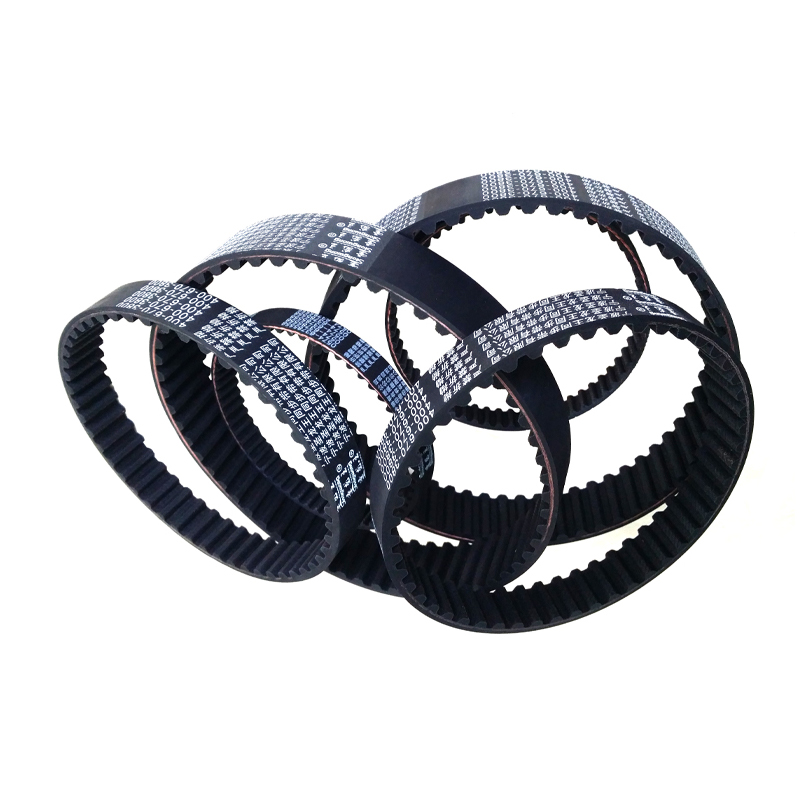
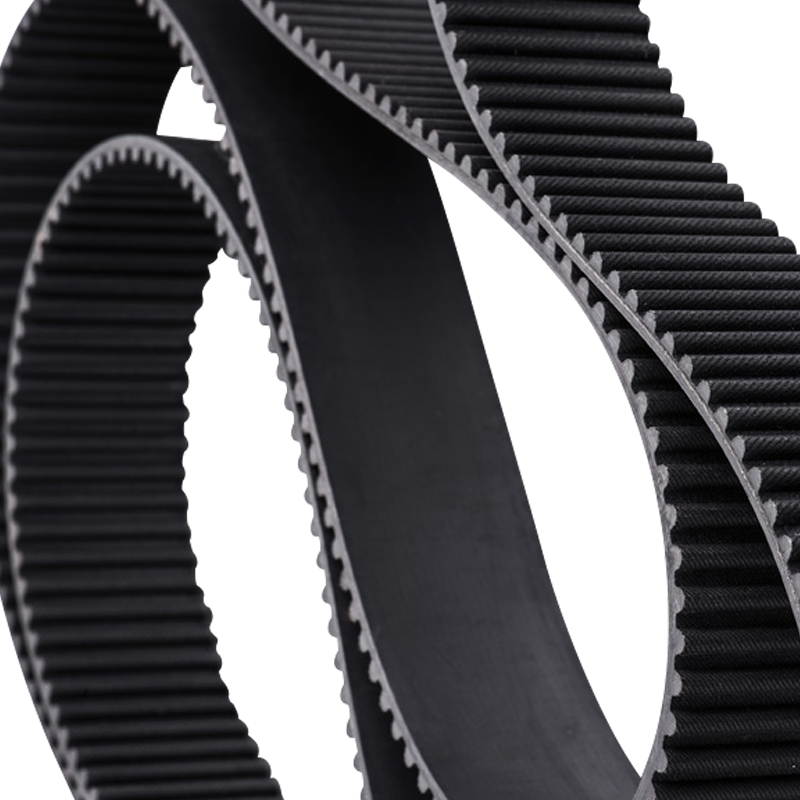
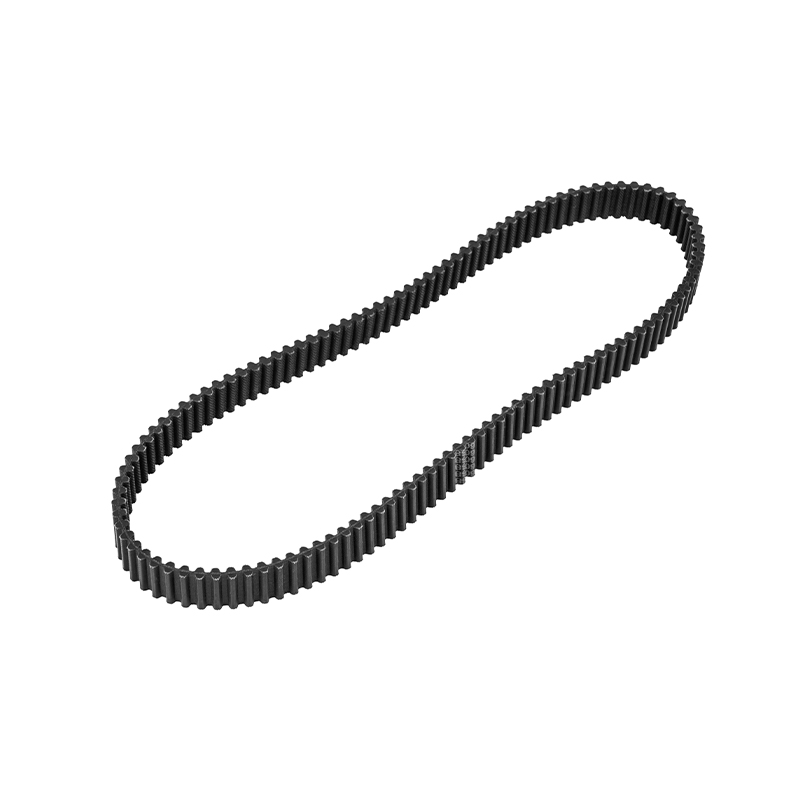
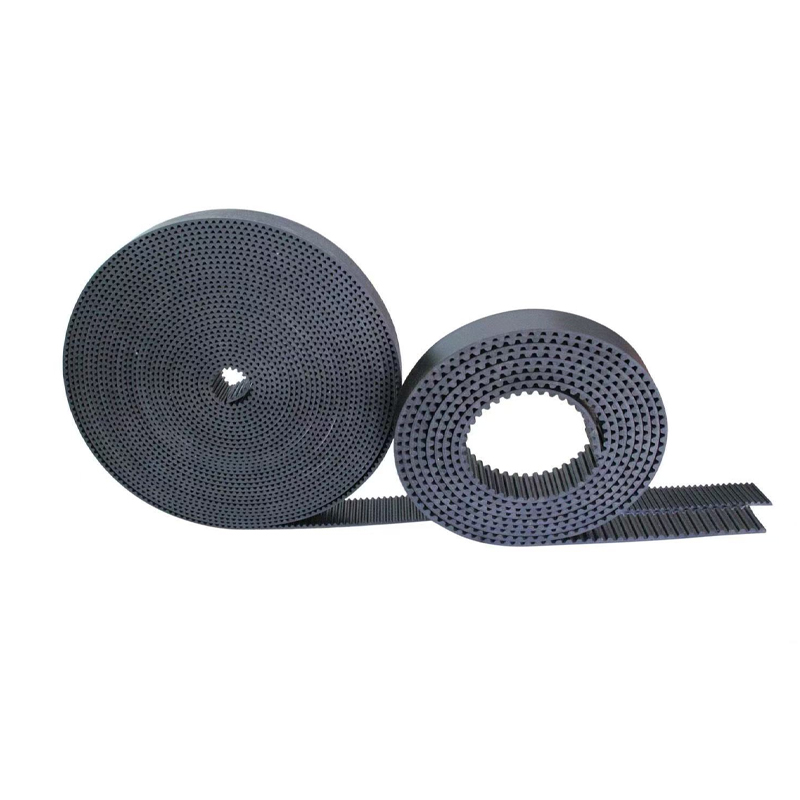
Most rubber timing belts use neoprene (polychloroprene) or EPDM rubber as the body material, reinforced with fiberglass or aramid (Kevlar) tension cords. The tooth surface is often coated with nylon fabric to reduce friction and wear. Rubber is inherently flexible, vibration-absorbing, and resistant to heat buildup from flexing—which is why it dominates in high-RPM engine and industrial drive applications.
Polyurethane Timing Belts
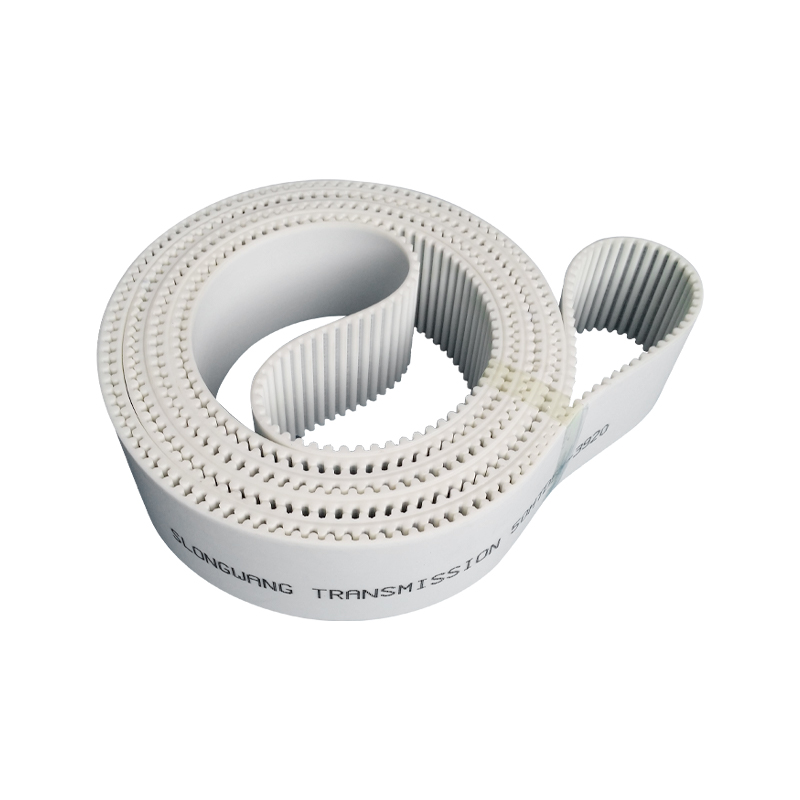
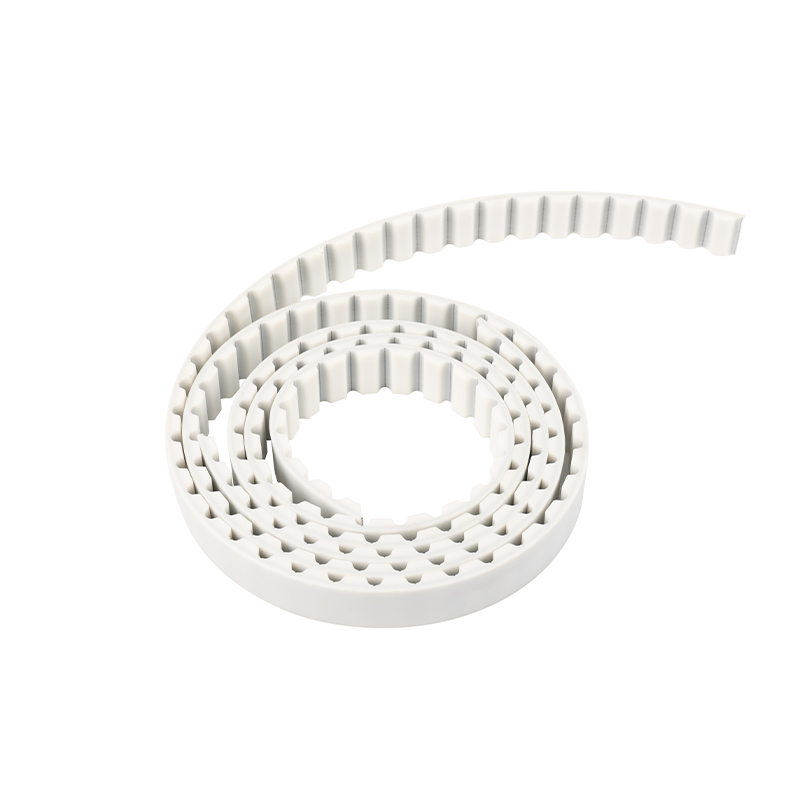
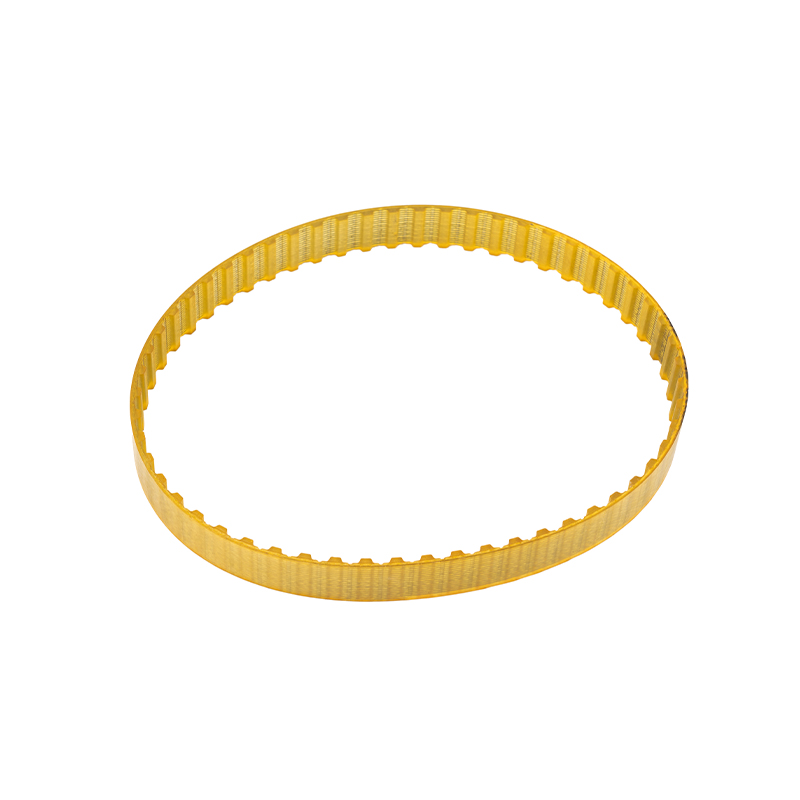
Polyurethane (PU) belts are typically cast or extruded as a single-material body—sometimes with steel or aramid tension cords—without the fabric tooth facing used in rubber belts. PU is a thermoplastic elastomer, meaning it is stiffer, dimensionally more stable, and highly resistant to abrasion and oils. PU belts can be welded into endless loops at any length, making them particularly useful in linear motion and conveyor systems.
Head-to-Head Comparison: Key Performance Factors
The table below summarizes performance across the most critical selection criteria for engineers and maintenance professionals.
| Performance Factor |
Rubber Belt |
Polyurethane Belt |
| Operating Temperature Range |
−40°C to +120°C |
−30°C to +80°C (standard) |
| Abrasion Resistance |
Moderate |
Excellent |
| Oil & Chemical Resistance |
Moderate (varies by compound) |
Good |
| Dimensional Stability |
Good |
Excellent |
| Flexibility / Bend Radius |
Excellent |
Moderate (stiffer) |
| Max Recommended Speed |
Up to 80 m/s |
Up to 50 m/s |
| Noise Level |
Low |
Low to Moderate |
| Service Life (typical) |
60,000–100,000 km (auto) |
Longer in low-speed, linear use |
| Relative Cost |
Lower |
Higher (20–50% more) |
| Custom Length (weld-to-length) |
Not possible |
Yes |
Direct comparison of rubber and polyurethane timing belt performance characteristics
Temperature Resistance: Rubber Has a Clear Edge
Rubber belts—particularly EPDM and HSN (hydrogenated nitrile) compounds—withstand operating temperatures from −40°C to +120°C, with some specialty compounds rated to +150°C. This makes rubber the standard choice for automotive engine timing belts, where underhood temperatures routinely exceed 100°C.
Standard polyurethane belts are typically rated to +80°C continuous, with short-term peaks around 100°C. Above this threshold, PU softens, loses tooth shear strength, and accelerates wear. In cold environments, PU also becomes significantly stiffer below −20°C, which increases the risk of cracking under dynamic load. For any application involving heat—ovens, engine bays, foundry equipment—rubber is the safer and more durable choice.
Precision and Dimensional Stability: Polyurethane Wins
In applications where positional accuracy matters—CNC machines, 3D printers, robotics, linear actuators—polyurethane timing belts are the preferred choice. PU has a lower elongation rate under load, which means less belt stretch and more repeatable positioning.
For example, in a CNC router using a rubber belt, accumulated stretch under cutting load can introduce positional errors of 0.2–0.5 mm over a 1-meter travel distance. A comparable PU belt with steel tension cords can reduce this error to under 0.05 mm. This difference is negligible in a conveyor system but critical in precision machining or medical device manufacturing.
Additionally, PU belts do not absorb moisture, which means their dimensions remain stable in humid environments. Rubber belts can swell slightly with moisture exposure, which may alter tooth pitch and introduce timing errors in sensitive systems.
Load Capacity and Tooth Shear Strength
Both belt types rely on their tooth profiles to transfer torque without slippage, but they behave differently under high loads.
Rubber Belt Load Behavior
Rubber belts have excellent flexibility and can distribute load across more teeth simultaneously due to their compliance. However, the nylon tooth facing on rubber belts can wear through over time under heavy cyclic loads, especially if the belt is slightly misaligned. Once the facing wears, tooth shear rate accelerates rapidly.
Polyurethane Belt Load Behavior
PU belts have higher tooth shear strength per unit area due to the material's hardness (typically Shore A 85–95 vs. Shore A 60–80 for rubber). This makes PU belts preferable for high-torque, low-speed drives. However, because PU is stiffer, the load is concentrated on fewer teeth at the mesh point, which can accelerate localized wear if the system is slightly misaligned or under-tensioned.
Speed Capability: Rubber Handles High RPM Better
At high belt speeds, centrifugal force reduces effective tooth mesh tension, and heat builds up rapidly from repeated flexing. Rubber's lower stiffness and excellent flex fatigue resistance give it a strong advantage here.
- Rubber timing belts are rated for belt speeds up to 80 m/s in high-performance configurations.
- Standard polyurethane belts are typically limited to 50 m/s, beyond which heat generation from flexing and tooth impact becomes damaging.
- Automotive cam drives, high-speed spindles, and textile machinery all run at speeds where rubber's flexural resilience is a decisive advantage.
For most industrial linear motion systems and conveyors—where belt speed is typically under 10 m/s—this distinction rarely matters. But for rotating drive applications, rubber is the safer high-speed option.
Chemical and Environmental Resistance
Both materials resist common industrial oils and greases, but there are meaningful differences depending on specific chemicals present.
- Polyurethane offers better resistance to aliphatic hydrocarbons, hydraulic fluids, and many solvents. It also resists ozone and UV degradation well.
- Rubber (EPDM) is superior against ketones, alcohols, and steam—environments that can cause PU to hydrolyze and degrade over time.
- Hydrolysis is a critical weakness of PU belts: prolonged exposure to water, steam, or high humidity above 60°C can cause PU to break down at the molecular level, leading to sudden belt failure. This makes PU unsuitable for washdown environments or steam-exposed food processing lines without a hydrolysis-resistant PU grade.
- Neoprene rubber belts have excellent resistance to weathering and ozone, making them preferable for outdoor applications.
Installation, Maintenance, and Replaceability
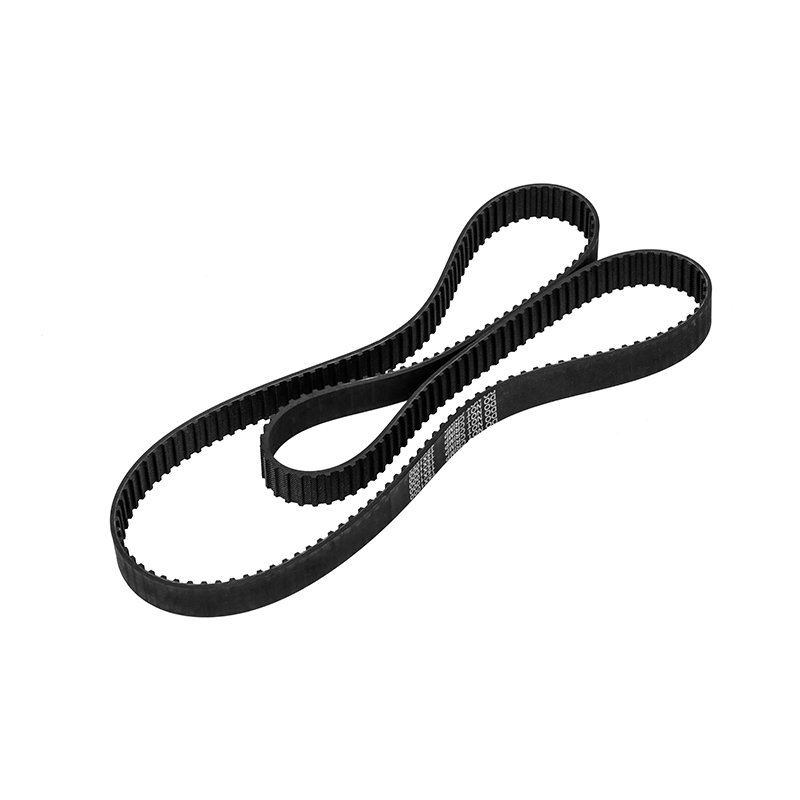
Rubber timing belts are manufactured as pre-formed endless loops in standardized lengths (e.g., HTD, GT2, XL pitch profiles). This means you must design your drive layout around available sizes, or use a tensioner to accommodate the fixed belt length.
Polyurethane open-ended belts can be cut to any length and butt-welded or finger-joined on-site, which is a significant advantage in custom conveyor installations or when replacing belts in equipment where removing shafts is impractical. This flexibility reduces downtime during maintenance.
However, the weld joint in a PU belt is typically the weakest point in the system—joint strength is generally 80–90% of the parent material strength. For critical high-load drives, using a factory-molded endless PU belt (where available) is recommended over field-welded versions.
Cost Comparison: Rubber Is More Economical Upfront
For equivalent belt sizes and profiles, polyurethane timing belts typically cost 20–50% more than rubber belts at point of purchase. In high-volume automotive or industrial applications, this cost difference is substantial.
However, total cost of ownership may favor PU in specific applications. In a CNC machine or linear drive where belt stretch causes frequent recalibration or scrap parts, the higher upfront cost of a PU belt with steel cords can pay back quickly. In an automotive engine where the belt runs at 6,000 RPM and 110°C, rubber is both cheaper and longer-lasting—making PU a poor investment.
Which Belt Should You Choose? Application-Based Guidance
Use this guide to match the right belt material to your application type.
Choose Rubber When:
- Operating temperatures exceed 80°C (automotive, industrial ovens, HVAC).
- Belt speed is above 30–40 m/s (high-RPM engine drives, spindles).
- The environment involves steam, water immersion, or repeated washdowns.
- Budget is a primary constraint and the application is not precision-critical.
- The application requires quiet operation at high speed (rubber's compliance dampens vibration and noise better).
Choose Polyurethane When:
- Positional accuracy is critical (CNC routers, 3D printers, pick-and-place robots, medical devices).
- The drive is low-speed but high-torque, and tooth shear resistance is paramount.
- Custom belt lengths are required and field welding is feasible.
- The environment involves oils, fuels, or aliphatic solvents but not steam or hot water.
- Long service intervals are prioritized and the operating temperature stays below 80°C.


 Inquiry

 English
 中文简体
中文简体