
 Inquiry

 English
 中文简体
中文简体
Industry News
Home / News / Industry News / Polyurethane Timing Belt Supports Smooth and Quiet Operation in Production Lines
2026-02-04
Content
In modern manufacturing environments, efficiency and stability are key factors that influence productivity. Production lines often operate for long hours each day, and even small interruptions can affect output and costs. To keep machines running smoothly, every component in the power transmission system must perform reliably. Among these components, the timing belt plays a critical role in transferring motion and maintaining accurate synchronization.
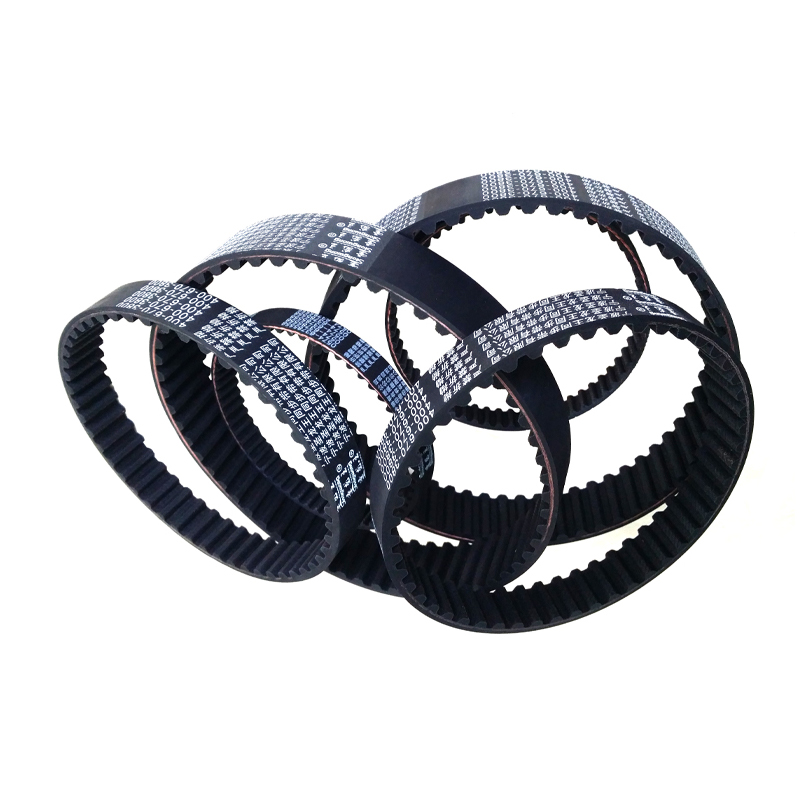
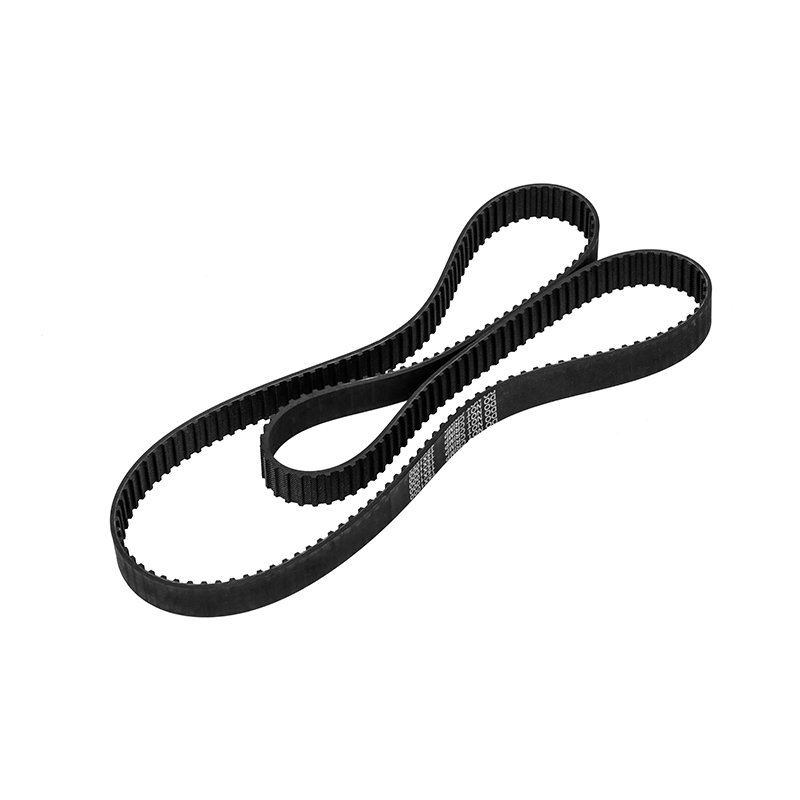
In recent years, the Polyurethane Timing Belt has become a popular choice for many industries. Known for its durability, low noise level, and consistent performance, this type of belt helps support smooth and quiet operation in production lines. From packaging equipment to automated assembly systems, more manufacturers are adopting Polyurethane Timing Belt solutions to improve working conditions and maintain stable production.
As factories continue to focus on precision and energy efficiency, the demand for reliable timing belts is growing steadily.
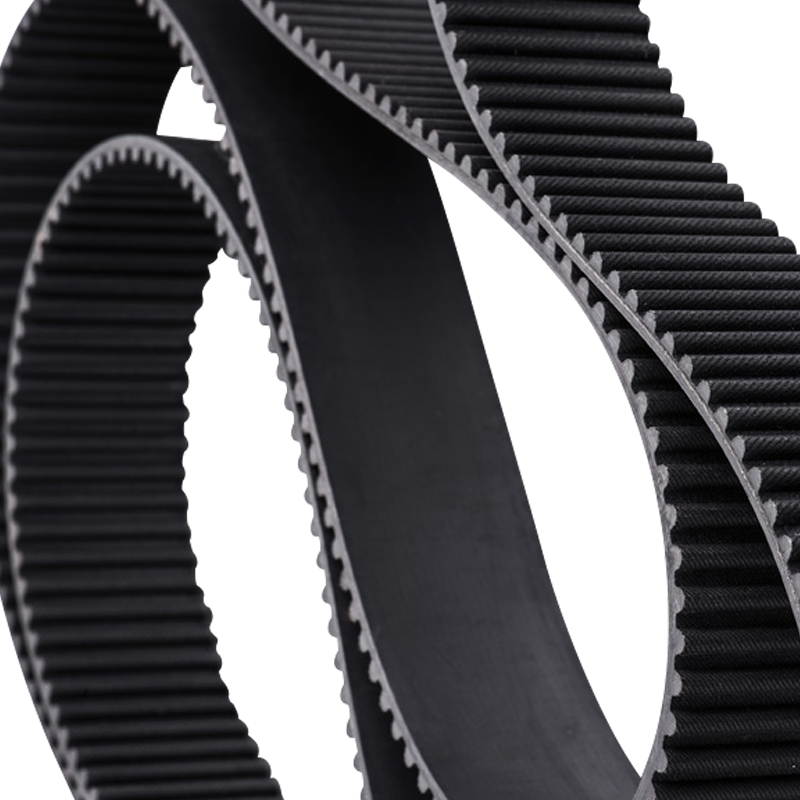
Timing belts are used to transmit power between rotating shafts while keeping them in precise alignment. Unlike traditional friction belts, timing belts use teeth that mesh with matching pulleys. This design reduces slipping and helps maintain accurate movement.
In automated production lines, synchronization is essential. Conveyors, robotic arms, cutters, and labeling machines must work together at the correct speed. If one part falls out of sync, the entire process may slow down or stop.
A high-quality Polyurethane Timing Belt helps ensure that machines operate smoothly and predictably. By providing stable motion transfer, it supports continuous and efficient production.
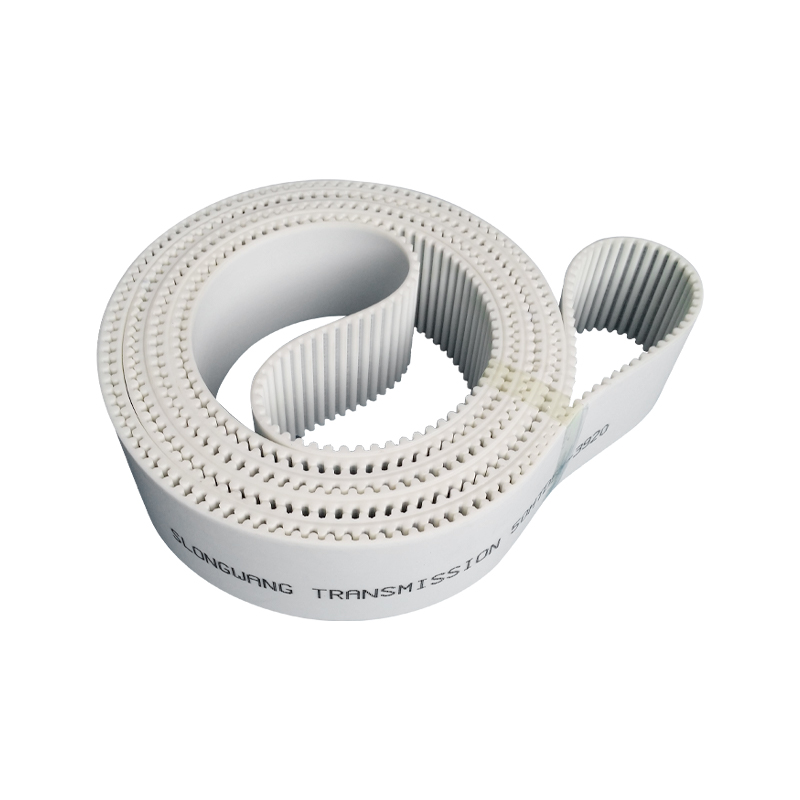
A Polyurethane Timing Belt is a type of synchronous belt made from polyurethane material and reinforced with tensile cords such as steel or aramid fibers. The combination of strong materials gives the belt both flexibility and strength.
Polyurethane is known for its wear resistance and elasticity. These properties allow the belt to maintain its shape and performance even after long periods of use. The embedded cords provide additional strength, helping the belt handle loads without stretching excessively.
Because of this structure, the Polyurethane Timing Belt is suitable for applications that require precision, durability, and low maintenance.
One of the main benefits of using a Polyurethane Timing Belt is its ability to deliver smooth power transmission. The teeth of the belt fit securely into the pulley grooves, creating a positive drive. This reduces slipping and ensures consistent speed.
Smooth transmission is especially important in automated systems. When machines start and stop frequently or change speed, unstable movement can lead to vibration or misalignment. Over time, this may affect product quality or damage equipment.
By providing steady and accurate motion, the Polyurethane Timing Belt helps maintain stable operation. This allows production lines to run with fewer interruptions and better overall performance.
Noise reduction has become an important goal in many factories. Excessive noise can affect employee comfort and make communication more difficult. It may also indicate mechanical stress or wear.
Compared with chains or metal gears, a Polyurethane Timing Belt operates more quietly. The flexible material absorbs vibration and reduces the impact between moving parts. This results in lower operating noise during machine operation.
A quieter environment brings several benefits. Workers can concentrate better, and equipment runs more smoothly. For industries such as food processing or packaging, where indoor noise control is valued, using a Polyurethane Timing Belt can help create a more comfortable workspace.
Durability is another reason why many manufacturers prefer the Polyurethane Timing Belt. Production lines often run continuously, which means components must withstand constant movement and load.
Polyurethane material offers strong resistance to abrasion and surface wear. Even under repeated contact with pulleys, the belt maintains its structure. This reduces the risk of cracks, fraying, or tooth damage.
Long service life means fewer replacements and less downtime. Maintenance teams can focus on other tasks rather than frequently changing belts. Over time, this helps reduce operating costs and improve overall efficiency.
For businesses seeking reliable and cost-effective solutions, the Polyurethane Timing Belt provides good long-term value.
Industrial environments can expose equipment to various substances such as oils, dust, and cleaning agents. These conditions may affect the performance of some belt materials.
A Polyurethane Timing Belt offers good resistance to oil, chemicals, and moisture. This makes it suitable for use in different working environments, including factories, warehouses, and processing plants.
For example, in food and beverage production lines, frequent cleaning is required to maintain hygiene. Belts that resist moisture and cleaning solutions are better suited for these conditions. Similarly, in mechanical workshops, exposure to lubricants is common, and durable materials help maintain performance.
This adaptability allows the Polyurethane Timing Belt to be used across many industries.
Modern production lines rely heavily on automation. Robotic systems, pick-and-place units, and precision conveyors require exact positioning. Even small errors can affect assembly or packaging results.
The Polyurethane Timing Belt supports high positioning accuracy because it minimizes stretch and maintains consistent tension. Reinforced cords help keep the belt stable during operation, which improves repeatability.
Accurate movement is particularly important in electronics manufacturing, printing, and labeling processes. In these applications, precise timing ensures that each step is completed correctly.
By maintaining synchronization, the Polyurethane Timing Belt helps improve overall product quality.
Another practical advantage of the Polyurethane Timing Belt is its ease of installation. Compared with chains or gear systems, belts are generally lighter and simpler to handle. This reduces installation time and labor.
Routine maintenance is also straightforward. Belts typically require minimal lubrication and simple inspections. When replacement is needed, it can be done quickly without complex procedures.
Low maintenance requirements help reduce downtime and support continuous operation. For factories that run multiple shifts, this convenience is especially valuable.
Because of these features, many maintenance teams prefer using Polyurethane Timing Belt systems.
The flexibility of the Polyurethane Timing Belt allows it to serve a wide range of applications. It is commonly used in:
Packaging machines
Conveyor systems
Textile equipment
Food processing lines
Printing machines
Robotics and automation systems
Medical and laboratory devices
Each of these industries values reliable and quiet operation. The ability of the Polyurethane Timing Belt to perform consistently makes it a practical choice for both light-duty and medium-duty tasks.
In addition, various sizes, tooth profiles, and custom designs are available. This allows manufacturers to select belts that match specific requirements.
Energy efficiency is another concern for modern factories. Components that operate smoothly and with less friction can help reduce energy consumption.
Because the Polyurethane Timing Belt provides positive engagement and low slip, less energy is wasted during transmission. Smooth motion also reduces mechanical resistance, which can lower the load on motors.
Although each improvement may seem small, the combined effect across an entire production line can lead to noticeable savings. For companies aiming to improve efficiency, selecting the right transmission components plays an important role.
As automation and smart manufacturing continue to expand, the need for reliable motion control solutions is increasing. Production lines are becoming faster and more precise, which requires components that can keep up with higher demands.
The Polyurethane Timing Belt fits well into this trend. Its combination of durability, quiet performance, and accuracy makes it suitable for modern equipment. Manufacturers are also developing new materials and designs to further enhance performance.
With ongoing growth in industries such as packaging, electronics, and logistics, the market for Polyurethane Timing Belt products is expected to remain steady.

Model:
Model:
Model:
Model:
Model:

No. 6, Longrui Middle Road, Longzhen Avenue, Longshan Town, Cixi City, Ningbo City, Zhejiang Province, China
Tel: +86-400-670-3800
Tel: +86-574-58967770
Phone: +86-18867628822
FAX: +86-574-63990099
Email: llm@cn-slw.com