
 Inquiry

 English
 中文简体
中文简体
Industry News
Home / News / Industry News / How Rubber Timing Belts Reduce Maintenance Costs in Industrial Equipment
2026-01-28
Content
In modern industrial operations, efficiency, reliability, and cost-effectiveness are paramount. Industrial equipment such as conveyors, packaging machines, CNC machinery, and automotive assembly lines rely on precise mechanical synchronization to function optimally. Among the critical components that make this possible is the Rubber Timing Belt. Though often overlooked, this simple yet sophisticated component plays a pivotal role in reducing maintenance costs, enhancing equipment longevity, and ensuring smooth industrial processes.
As a professional manufacturer and supplier of Rubber Timing Belts, we have observed the tangible benefits these components provide to industries worldwide.
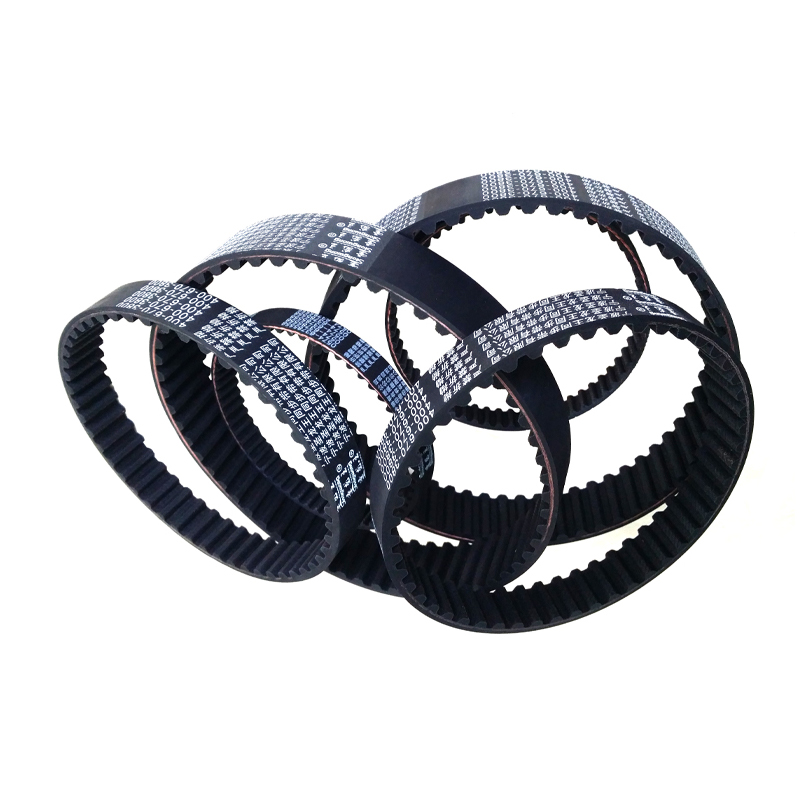
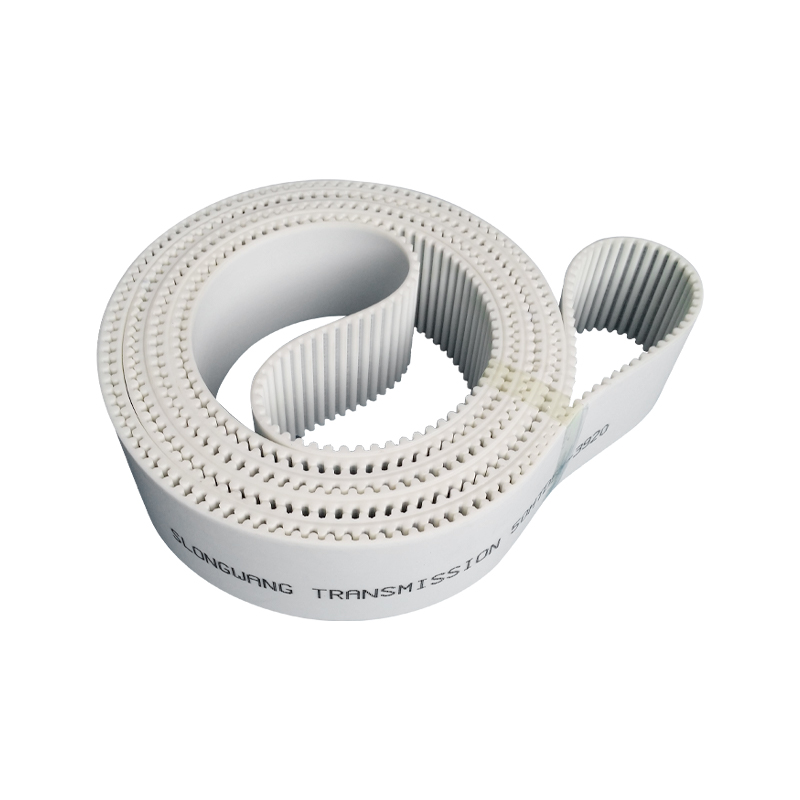
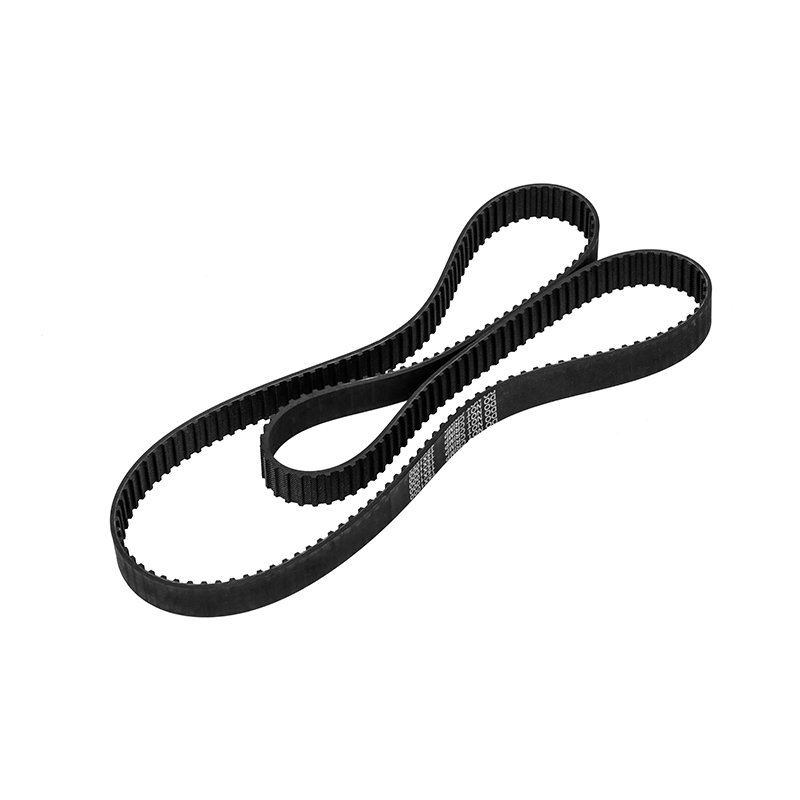
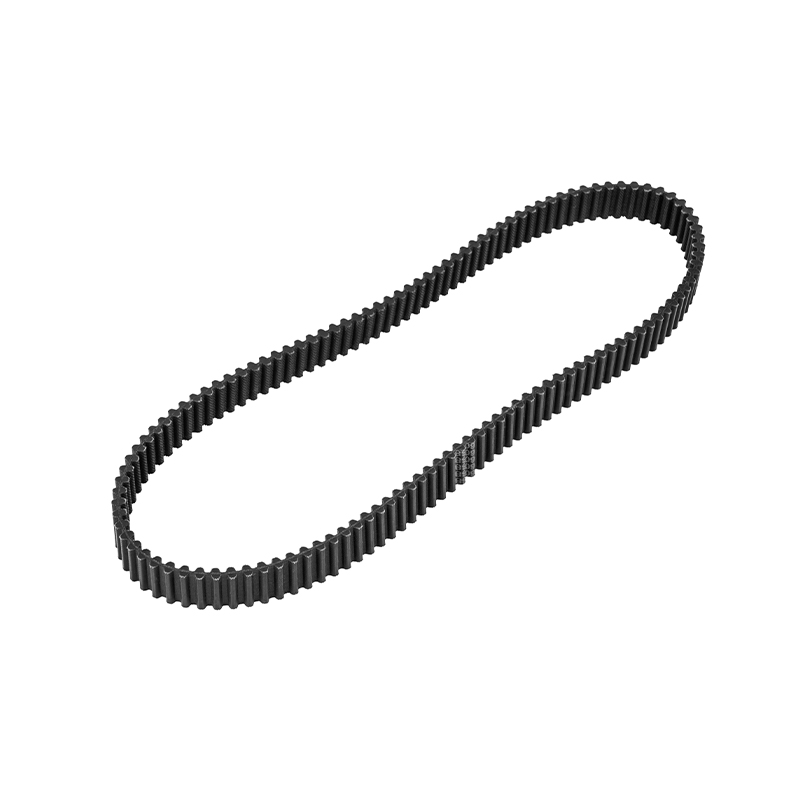
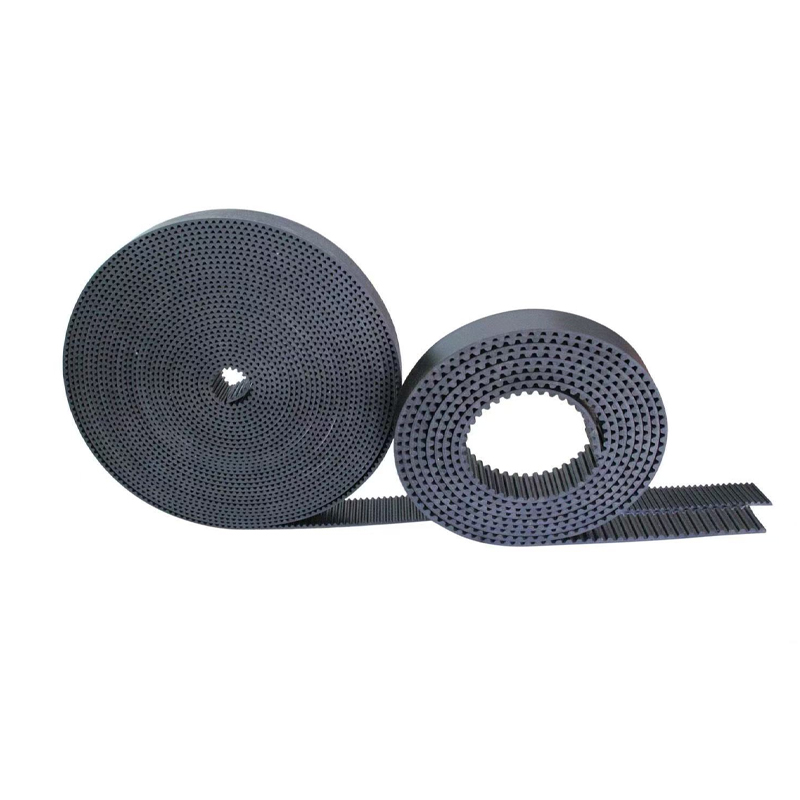
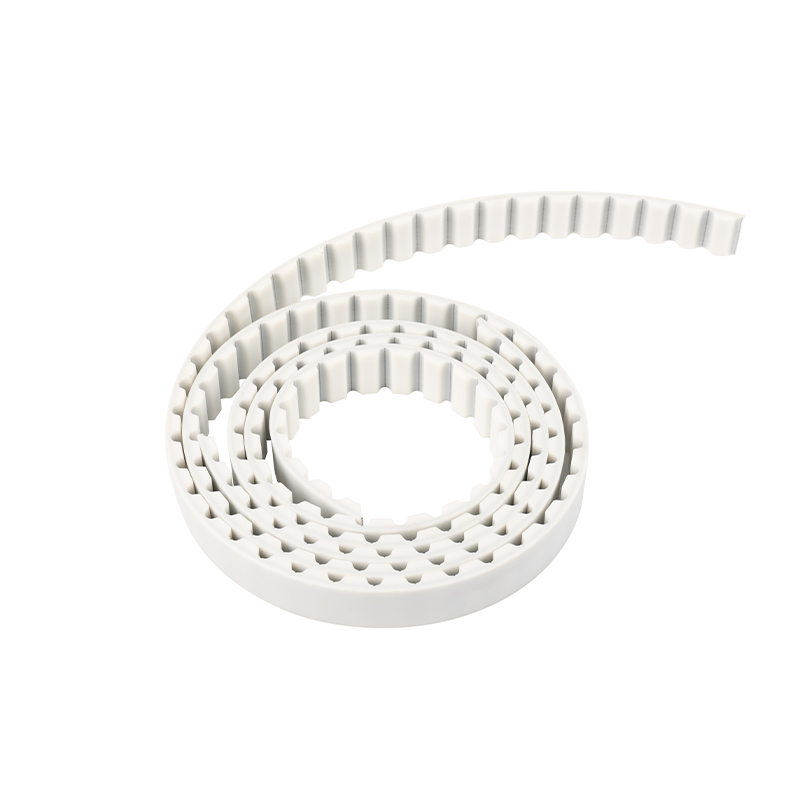
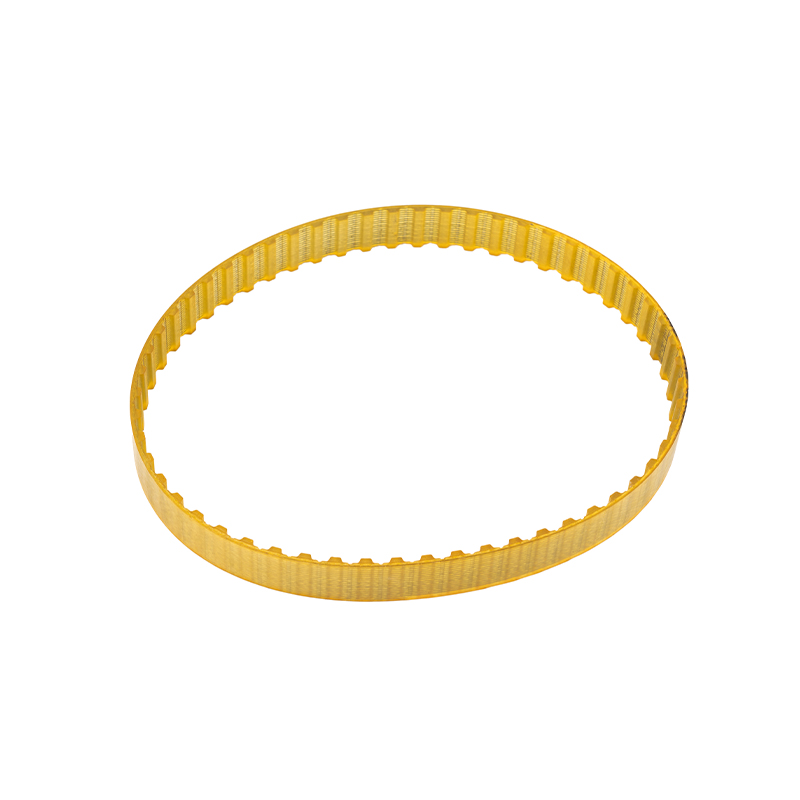
A Rubber Timing Belt is a toothed belt designed to transmit rotational motion between shafts with precise timing. Unlike standard V-belts, timing belts maintain synchronization between different components, ensuring accurate mechanical movement. This makes them essential in applications where precise timing is critical, such as:
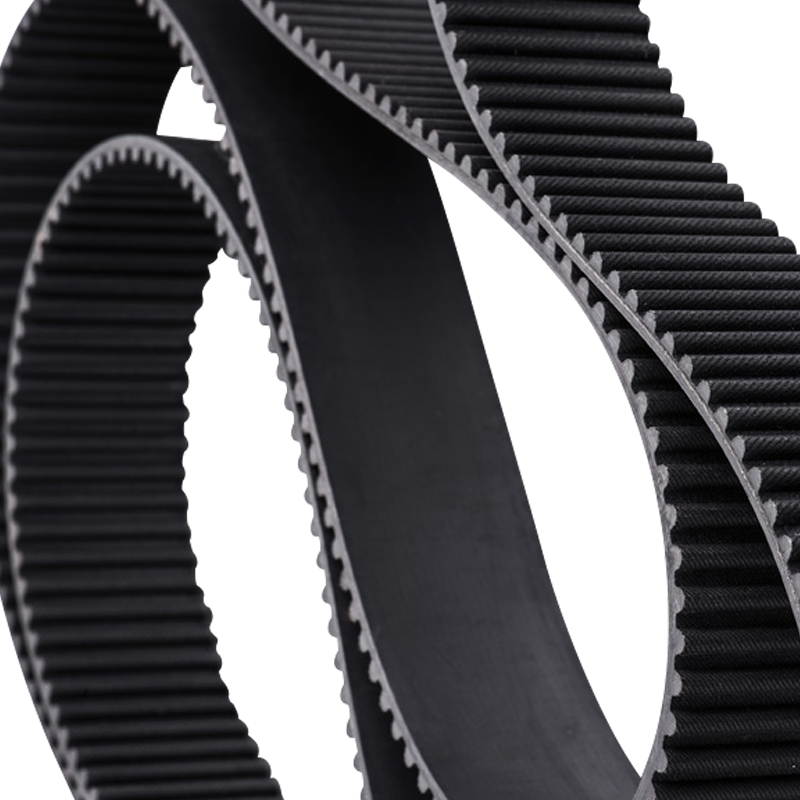
The Rubber Timing Belt typically consists of a flexible rubber base reinforced with fibers such as fiberglass, Kevlar, or polyester, which provide tensile strength and durability. The toothed design ensures positive engagement with pulleys, preventing slippage and maintaining accurate motion transfer.
Industrial equipment operates under demanding conditions. Over time, several issues can increase maintenance costs, including:
Even small inefficiencies can escalate into significant costs in high-volume operations. Replacing worn-out belts, repairing misaligned machinery, and addressing production delays are among the major contributors to operational expenses. This is where a Rubber Timing Belt can make a substantial difference.
One of the key advantages of a Rubber Timing Belt is its toothed design, which ensures a positive drive. Unlike flat or V-belts that rely on friction, a timing belt engages with the pulley teeth, preventing slippage. This precise engagement offers several benefits:
By preventing slippage, a Rubber Timing Belt reduces the risk of mechanical failure, lowering maintenance frequency and associated costs.
A high-quality Rubber Timing Belt distributes load evenly across the belt surface. This reduces localized stress points and minimizes wear on both the belt and the pulleys. As a result:
Longer-lasting belts and smoother machine operation translate into fewer maintenance interventions and reduced labor costs.
Downtime is one of the most significant contributors to industrial maintenance costs. Every hour a machine is offline can result in substantial financial losses, particularly in high-volume production environments. Rubber Timing Belts help prevent downtime by:
With reliable timing belts, machinery can run continuously with minimal interruption, saving both time and money.
A worn or broken belt can damage other machine components, such as pulleys, bearings, or gears. This often leads to additional repair or replacement costs. Using a high-quality Rubber Timing Belt mitigates these risks:
By extending the life of both the belt and associated components, operators reduce parts inventory and replacement expenses.
A slipping or poorly performing belt increases energy consumption because the motor has to work harder to maintain output. Rubber Timing Belts, with their precise engagement and minimal slippage, improve energy efficiency:
Efficient energy use not only reduces costs but also contributes to environmentally responsible operations.
Modern Rubber Timing Belts offer additional advantages that enhance maintenance savings:
High-quality belts use materials such as:
These reinforcements reduce elongation and wear, allowing belts to maintain performance over extended periods.
Industrial environments often involve heat, oils, chemicals, and other harsh conditions. Advanced rubber compounds provide resistance to:
Belts that resist these conditions require less frequent replacement and maintenance.
The tooth profile of a Rubber Timing Belt ensures smooth engagement with pulleys, reducing vibration and stress. Optimized tooth geometry also lowers noise levels, which is important in modern manufacturing facilities.
Many timing belts are designed for straightforward installation and replacement. Quick-change belts minimize labor time during maintenance, allowing technicians to focus on other critical tasks.
CNC machines rely on precise movement to achieve high-accuracy cuts. Rubber Timing Belts ensure synchronized motion between motors and axes, reducing errors and maintenance caused by misalignment.
In conveyor systems, consistent belt performance is essential for smooth material transport. Timing belts prevent slippage and uneven load distribution, reducing wear on rollers and motor components.
Packaging and printing equipment requires precise timing to ensure proper registration and cutting. Rubber Timing Belts maintain accurate synchronization, preventing costly mistakes and downtime.
Timing belts in industrial automation, such as robotic arms and assembly lines, ensure consistent cycle times. Reliable belts reduce interruptions and repair needs, maintaining production efficiency.
By following these practices, industries can maximize the cost-saving benefits of timing belts.
The industry is continually evolving to improve belt performance and reduce maintenance costs:
These innovations further enhance the reliability and efficiency of Rubber Timing Belts, contributing to long-term maintenance cost savings.
Investing in high-quality Rubber Timing Belts can yield measurable economic benefits:
For large-scale industrial operations, these savings can amount to tens of thousands of dollars annually.
Choosing the right supplier of Rubber Timing Belts is critical for ensuring quality, consistency, and support. A professional manufacturer and supplier can provide:
Partnering with an experienced supplier ensures that your equipment benefits from reliable timing belt performance and reduced operational costs.

Model:
Model:
Model:
Model:
Model:

No. 6, Longrui Middle Road, Longzhen Avenue, Longshan Town, Cixi City, Ningbo City, Zhejiang Province, China
Tel: +86-400-670-3800
Tel: +86-574-58967770
Phone: +86-18867628822
FAX: +86-574-63990099
Email: llm@cn-slw.com