
 Inquiry

 English
 中文简体
中文简体
Industry News
Home / News / Industry News / How to Maintain Poly-V Belts & Pulleys for Maximum Longevity and Performance
2026-02-18
Content
Poly-V belts and pulleys are integral components in many industrial systems, from manufacturing machinery to automotive engines. These advanced drive systems are designed to offer higher efficiency and reliability compared to traditional V-belts. However, to ensure that they perform optimally throughout their lifespan, regular maintenance is crucial.
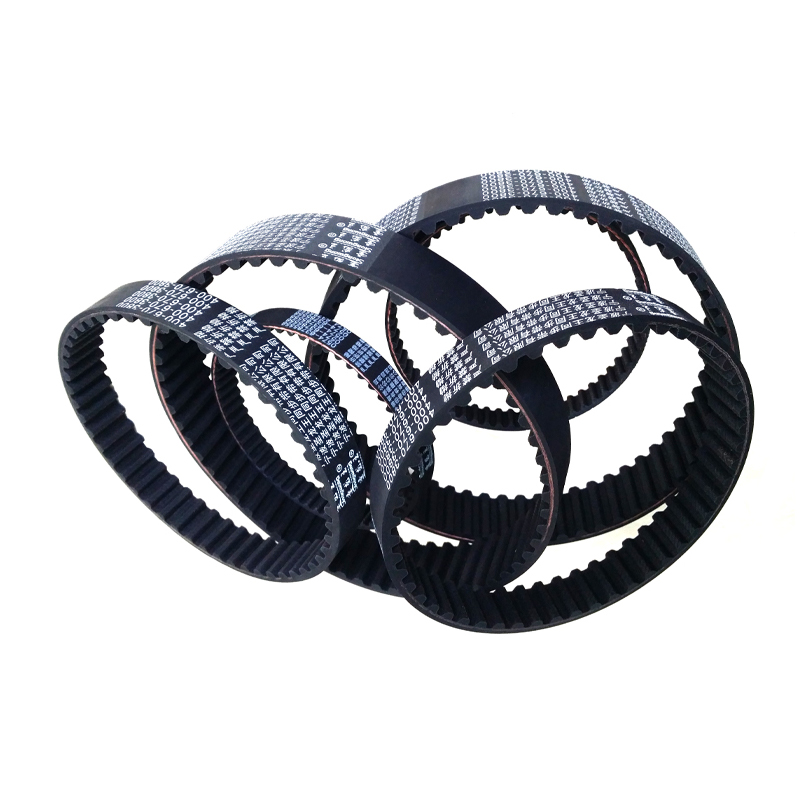
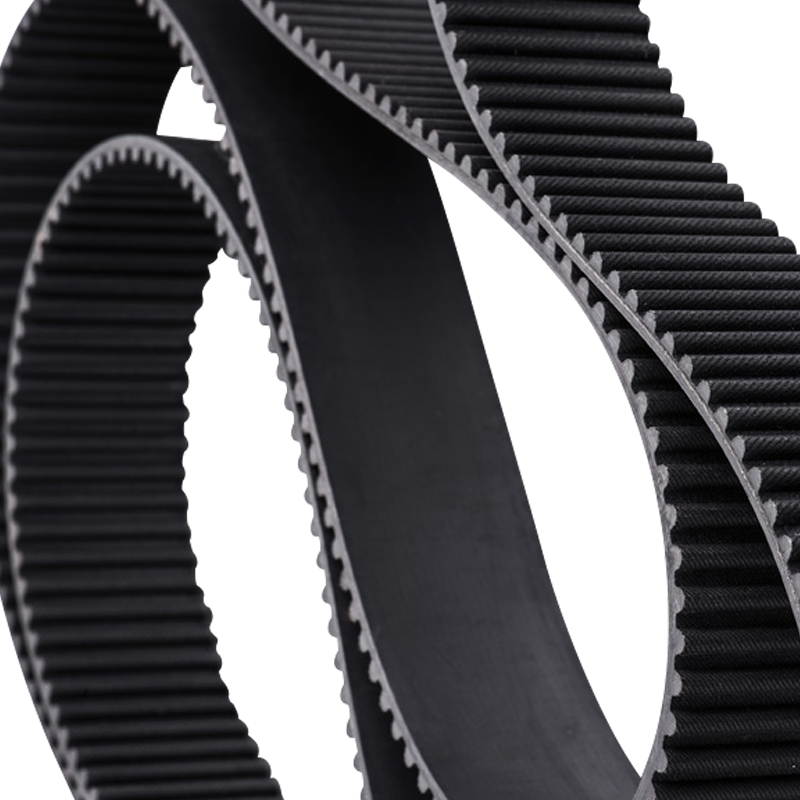
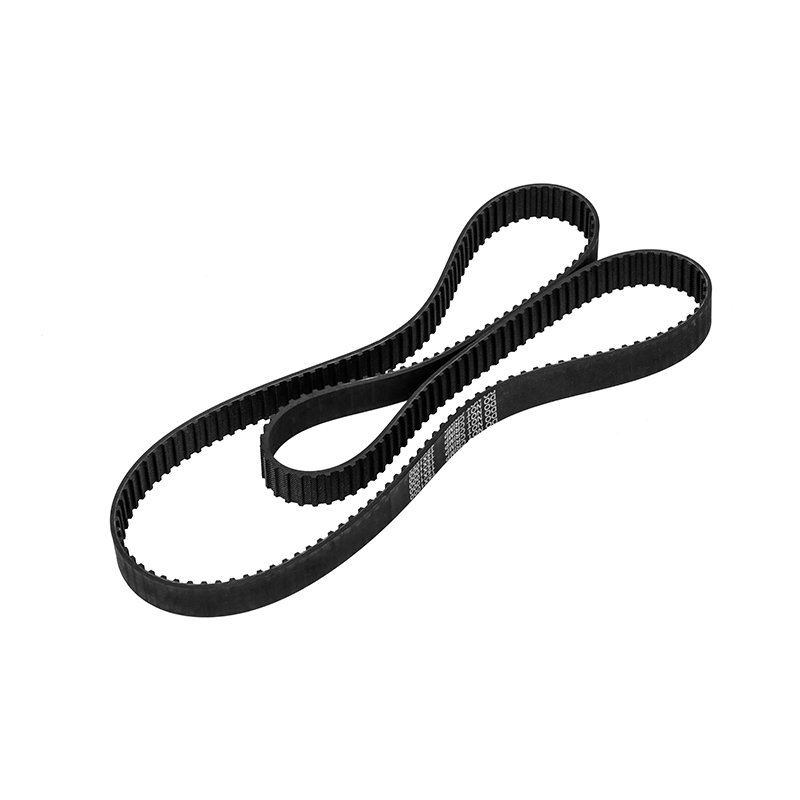
Poly-V belts, also known as multi-ribbed belts, are designed with multiple ribs running parallel along the length of the belt. These belts provide a more efficient power transmission solution than traditional V-belts, as they offer a larger surface contact area, which helps reduce wear and improve the overall system efficiency. Poly-V pulleys, paired with these belts, are designed to maintain synchronization and provide smooth and reliable operation.
Poly-V belt and pulley systems are commonly found in various applications such as automotive engines, HVAC systems, conveyor systems, and industrial machinery, where precision, power, and efficiency are vital.
Like all mechanical components, Poly-V belts and pulleys are subject to wear and tear over time. If not maintained properly, these systems can suffer from issues such as slippage, reduced power transmission efficiency, and premature failure. Proper maintenance helps in:
One of the most important aspects of maintaining Poly-V belts and pulleys is performing regular inspections. A thorough inspection will help identify early signs of wear, damage, or misalignment before they become major issues. Here’s what you should look for during inspections:
Maintaining the correct tension is crucial for the performance of Poly-V belts. A belt that is too tight can cause excessive strain on the motor or other components, while a loose belt can lead to slippage and reduced efficiency. To ensure proper tension:
Dirt, dust, and other contaminants can accumulate on both the belt and pulley system, which may cause the belt to slip, wear prematurely, or lose grip. It’s important to keep the system clean to ensure the longevity of the Poly-V belt and pulley system. Here are a few tips:
Even with regular maintenance, Poly-V belts will eventually wear out and need replacement. It’s essential to replace a belt as soon as you notice any signs of damage, such as cracking, glazing, or significant fraying. Ignoring these signs can lead to belt failure and damage to the pulley system.
When replacing the belt, always ensure that you are using the correct size and type specified by the manufacturer. Using an incorrect belt can cause misalignment, slippage, or excessive wear on both the belt and pulleys.
Improper alignment between the Poly-V belt and the pulleys is one of the most common causes of premature wear and failure. Misalignment can lead to uneven stress on the belt, which causes it to wear out faster. Here’s how to check for alignment:
Not all pulleys are created equal, and using the wrong pulley can lead to inefficiency and premature wear. Poly-V pulleys should be chosen based on the specific requirements of your system, including the load, speed, and environmental conditions.
Ensure that the pulley material is compatible with the Poly-V belt and that the grooves are properly sized to fit the ribs of the belt. Always refer to the manufacturer’s guidelines to select the correct pulleys for your application.
Belt slippage can occur when the belt is too loose, or if the pulleys are worn or misaligned. To fix this problem, check the tension and alignment of the belt, and replace any worn components as needed.
If the system is producing excessive noise, it may be due to misalignment, belt wear, or pulley issues. Inspect the system for worn belts or pulleys, and ensure that the components are properly aligned.
Premature wear can be caused by excessive heat, improper tension, or contamination. Make sure that the system is clean, properly tensioned, and free from excessive heat. If the belt is consistently wearing out too quickly, consider upgrading to a higher-quality Poly-V belt or pulley system.

Model:
Model:
Model:
Model:
Model:

No. 6, Longrui Middle Road, Longzhen Avenue, Longshan Town, Cixi City, Ningbo City, Zhejiang Province, China
Tel: +86-400-670-3800
Tel: +86-574-58967770
Phone: +86-18867628822
FAX: +86-574-63990099
Email: llm@cn-slw.com