
 Inquiry

 English
 中文简体
中文简体
Industry News
Home / News / Industry News / How Synchronous Wheels Contribute to Energy Efficiency in Industrial Processes
2026-02-11
Content
In today’s manufacturing world, energy efficiency has become a major focus. Companies are looking for ways to reduce costs, improve performance, and minimize environmental impact. One technology that plays a significant role in improving energy efficiency is the synchronous wheel. These mechanical components are widely used in various industrial applications, and their ability to improve power transmission efficiency is highly valued.
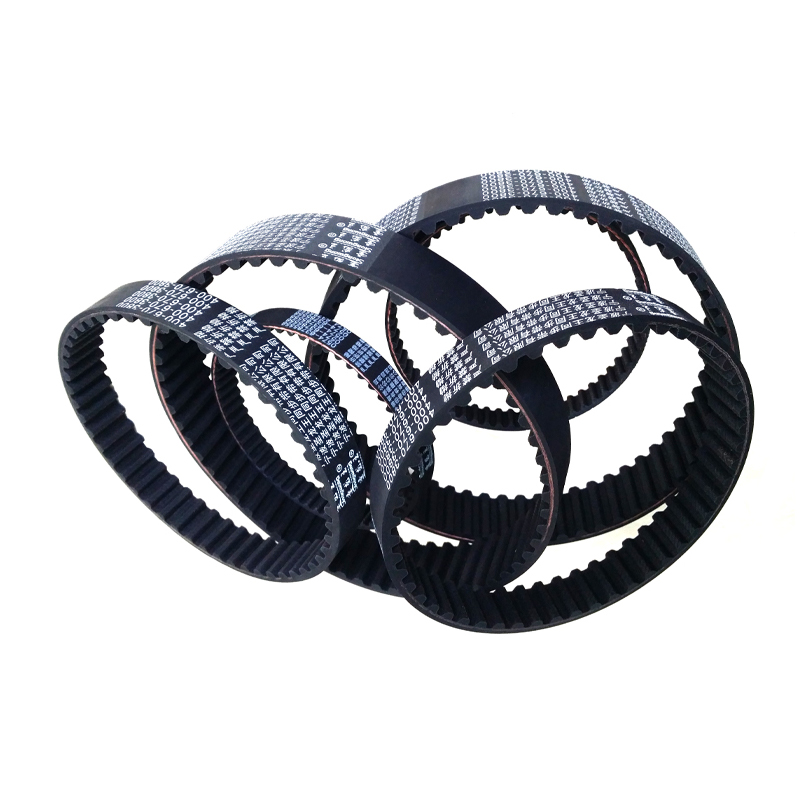
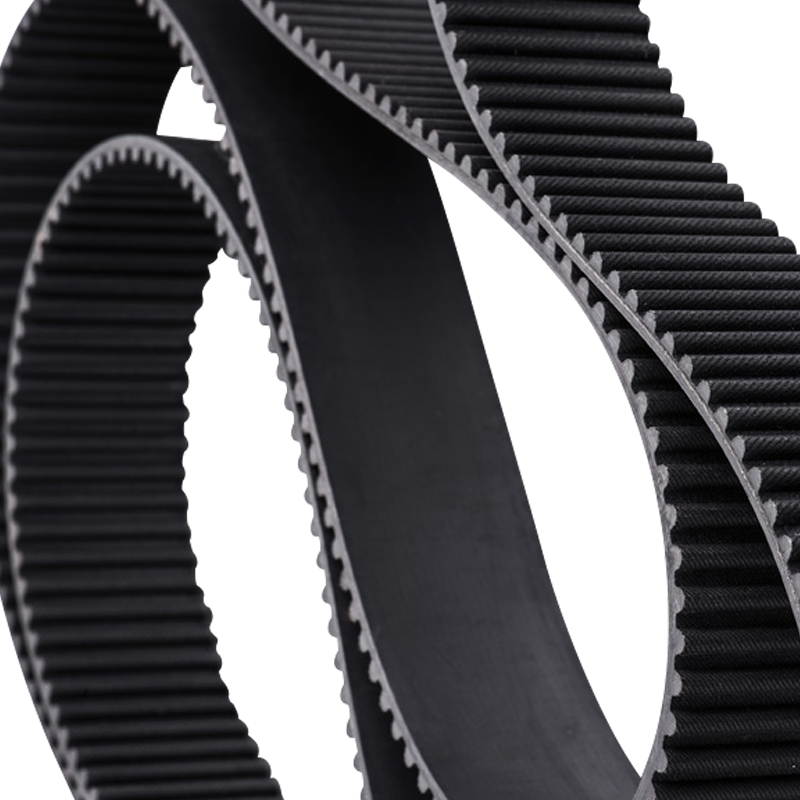
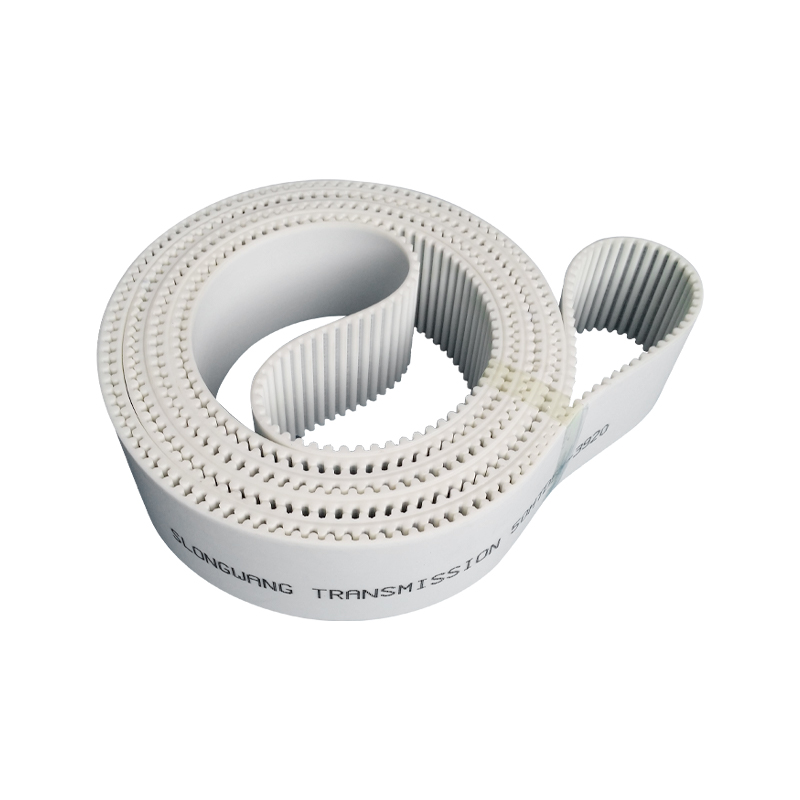
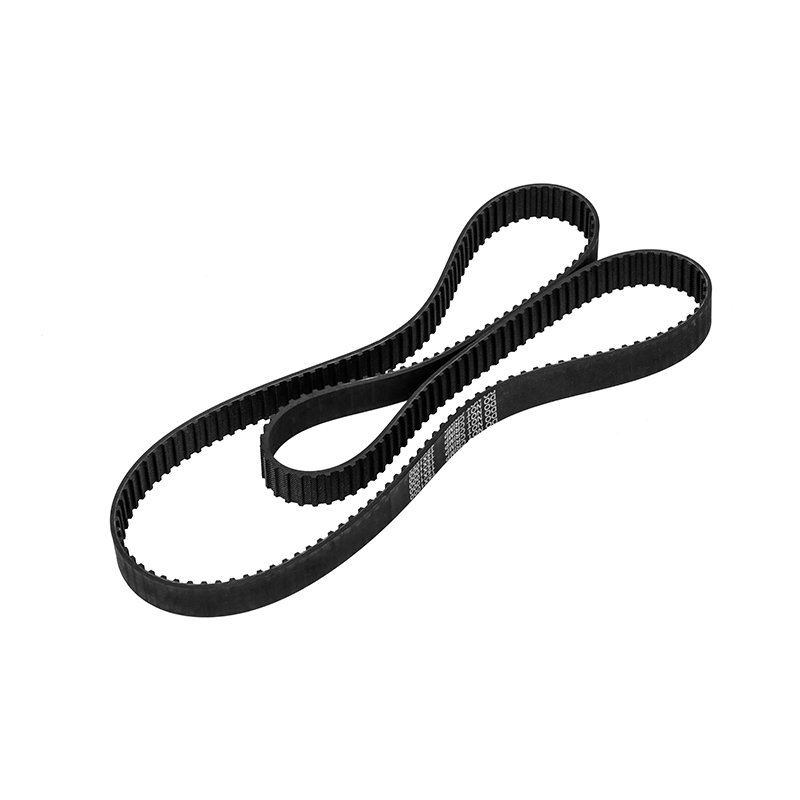
A synchronous wheel, also known as a synchronous pulley or timing wheel, is a type of gear used to transmit rotational motion in mechanical systems. Unlike traditional gears, synchronous wheels rely on a timing belt or chain to transfer power without slippage. The teeth of the wheel and the belt or chain are designed to mesh precisely, ensuring a constant, synchronized movement between the two components.
This synchronization is crucial in many applications where precise timing and efficient energy transfer are necessary. Synchronous wheels are commonly used in industrial machinery, automotive systems, conveyor belts, and various other mechanical systems where power needs to be transmitted smoothly and efficiently.
Synchronous wheels contribute to energy efficiency in several ways. Below, we outline the key factors that make them an ideal choice for optimizing mechanical systems in industrial processes.
One of the main advantages of synchronous wheels is their ability to transfer power without slippage. In traditional gears or belt systems, some energy is lost due to friction or slippage between the components. However, synchronous wheels use a timing belt or chain that fits perfectly with the teeth on the wheel, ensuring that energy is transferred without any loss of motion.
This feature is particularly important in systems that require high precision and minimal energy waste. In industrial processes, where machines are often running for long hours, the absence of energy loss due to slippage translates into significant savings over time. Less energy is wasted, and the system operates at maximum efficiency.
Synchronous wheels are designed to operate with minimal friction. The timing belts or chains used in conjunction with the wheels are often made from materials that are durable and resistant to wear. This reduces the amount of energy needed to overcome friction in the system, leading to better overall efficiency.
Lower friction also means less wear and tear on the components, which extends the lifespan of the system and reduces the need for maintenance. In turn, this contributes to lower operational costs and less downtime, improving the overall energy efficiency of the system.
Synchronous wheels provide precise control over the speed and timing of moving parts. This level of control ensures that machinery operates at optimal speeds, preventing overuse of energy. In many industrial processes, it is crucial to maintain consistent speeds to avoid overloading machinery and to ensure that operations proceed smoothly.
By using synchronous wheels, companies can maintain tight control over their mechanical systems, ensuring that energy is not wasted by unnecessary fluctuations in speed. This level of control helps improve the efficiency of the entire system, leading to a reduction in energy consumption.
Another significant benefit of synchronous wheels is their ability to operate smoothly and quietly. Traditional gear systems or non-synchronous belt drives can produce vibrations and noise due to the constant meshing of teeth or the slipping of the belt. These vibrations not only contribute to energy loss but also cause mechanical stress on the components, which can lead to premature failure.
Synchronous wheels, on the other hand, operate quietly and without the vibrations associated with traditional systems. This not only makes the system more energy-efficient but also reduces the strain on machinery, helping to extend the lifespan of the equipment.
Since synchronous wheels reduce the friction and wear on components, they also help minimize maintenance needs. Traditional mechanical systems often require regular maintenance to replace worn-out parts or lubricate components to reduce friction. With synchronous wheels, the need for such maintenance is reduced, leading to less downtime and more efficient energy use.
Reduced downtime means that machinery can operate more consistently and continuously, resulting in a more energy-efficient production process. This is particularly important in industries where downtime can lead to significant losses in production output and, ultimately, higher energy costs.
Synchronous wheels are used in a variety of industrial applications to improve energy efficiency and precision. Below are some examples of how synchronous wheels are applied in different industries:
In manufacturing and production lines, synchronous wheels are often used to control conveyor belts and other machinery that need to run at a constant speed. By ensuring that the movement of the conveyor belt is synchronized with the rest of the system, these wheels help prevent energy wastage and maintain smooth, continuous production.
In the automotive industry, synchronous wheels are used in timing systems, such as camshaft and crankshaft timing. These components require precise synchronization to ensure that the engine runs efficiently and that energy is not wasted during combustion. Synchronous wheels play a critical role in maintaining engine performance and fuel efficiency.
In robotics and automation systems, precise movement is essential. Synchronous wheels are commonly used in these systems to ensure that robotic arms and other moving parts operate with high accuracy and efficiency. This helps optimize the performance of robots and automation equipment while minimizing energy consumption.
In heating, ventilation, and air conditioning (HVAC) systems, synchronous wheels are used to drive fans and pumps that circulate air or water. By ensuring that these components are operating at the correct speed and timing, synchronous wheels help reduce energy consumption and improve the overall efficiency of the HVAC system.

Model:
Model:
Model:
Model:
Model:

No. 6, Longrui Middle Road, Longzhen Avenue, Longshan Town, Cixi City, Ningbo City, Zhejiang Province, China
Tel: +86-400-670-3800
Tel: +86-574-58967770
Phone: +86-18867628822
FAX: +86-574-63990099
Email: llm@cn-slw.com