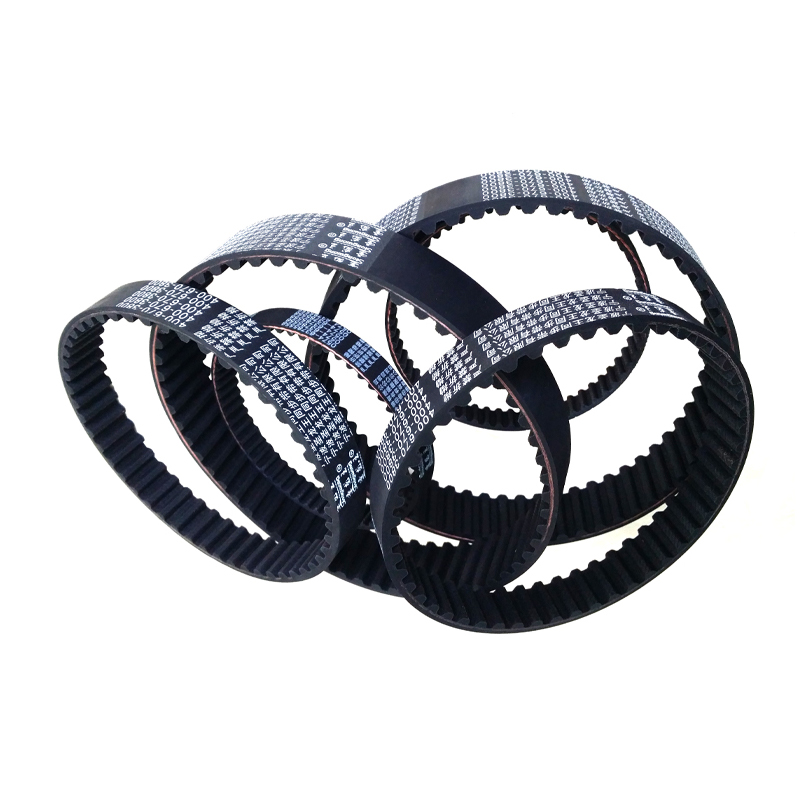
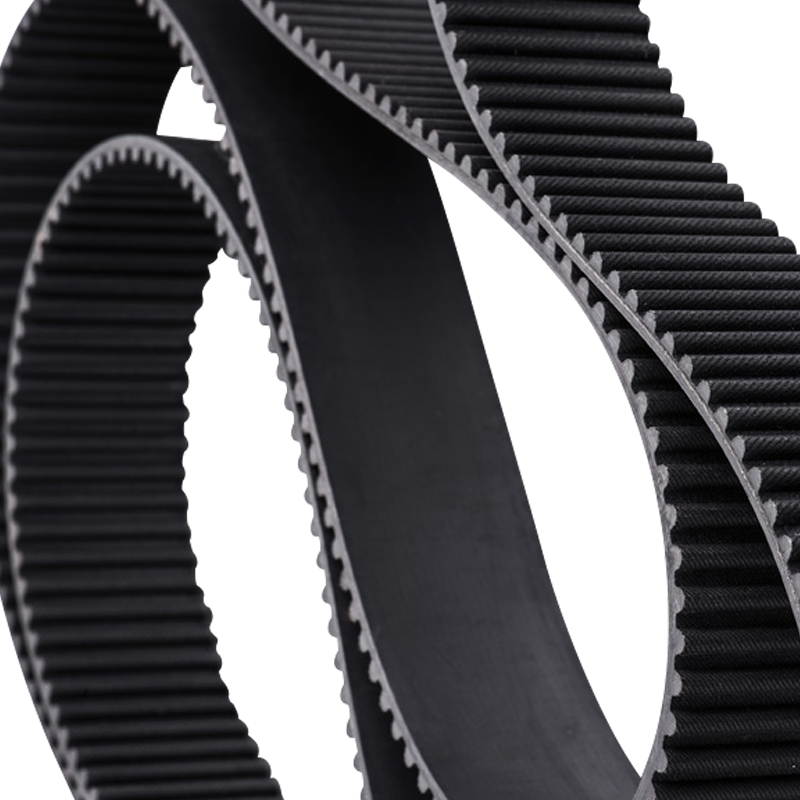
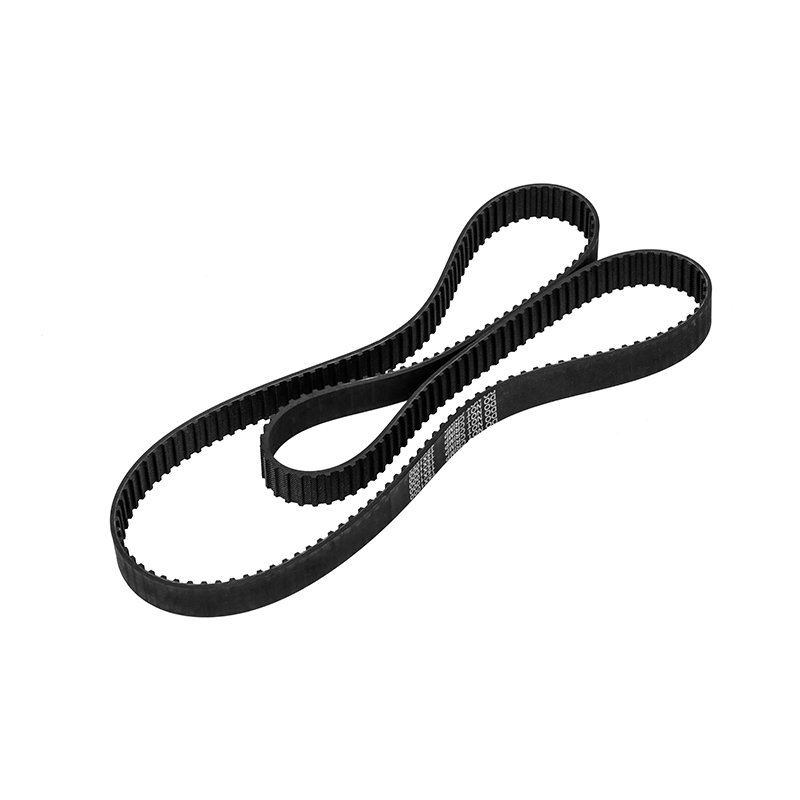
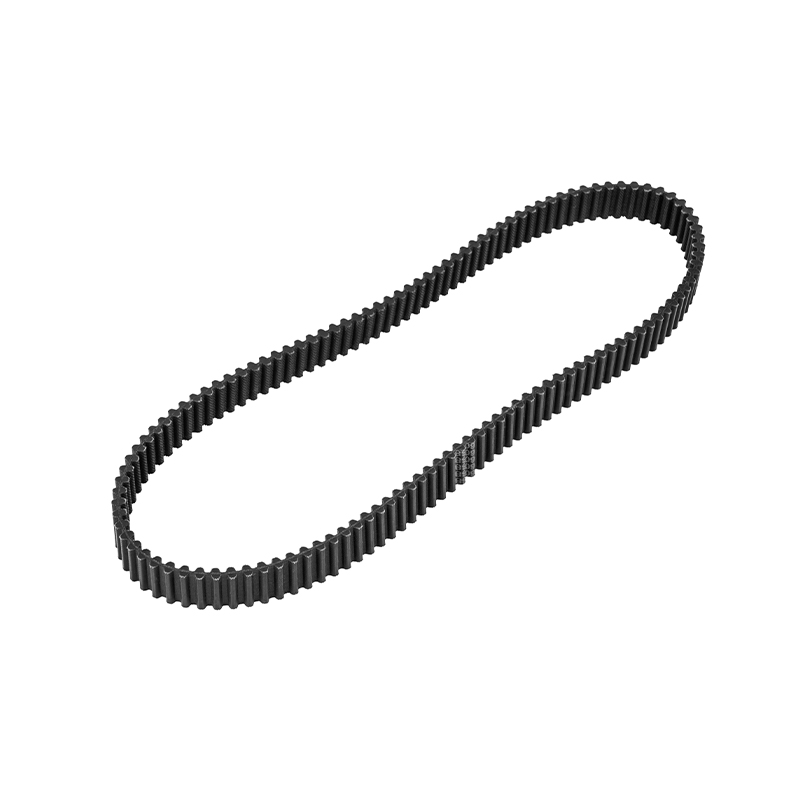
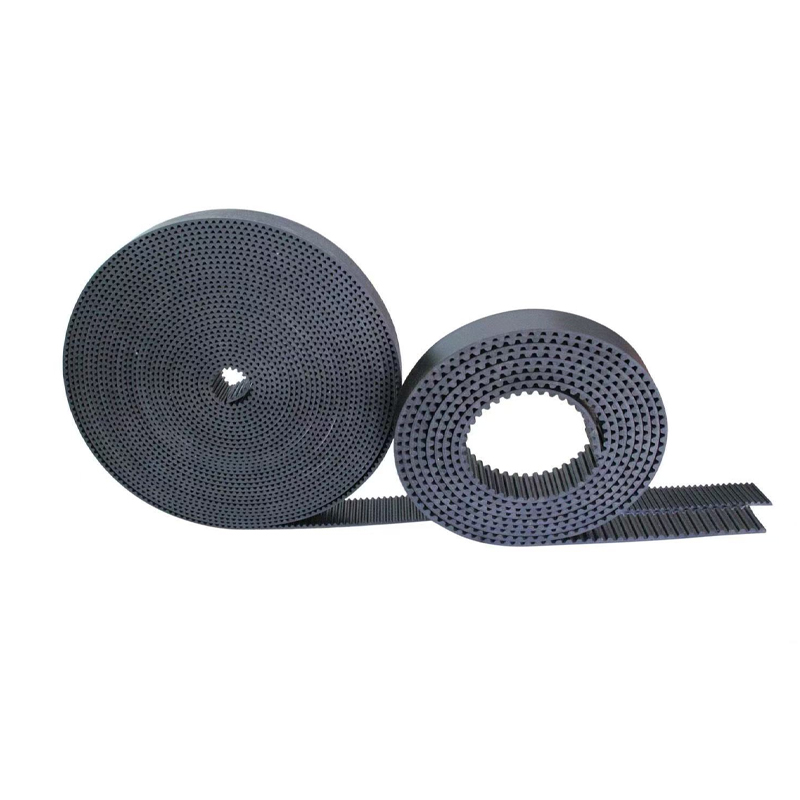
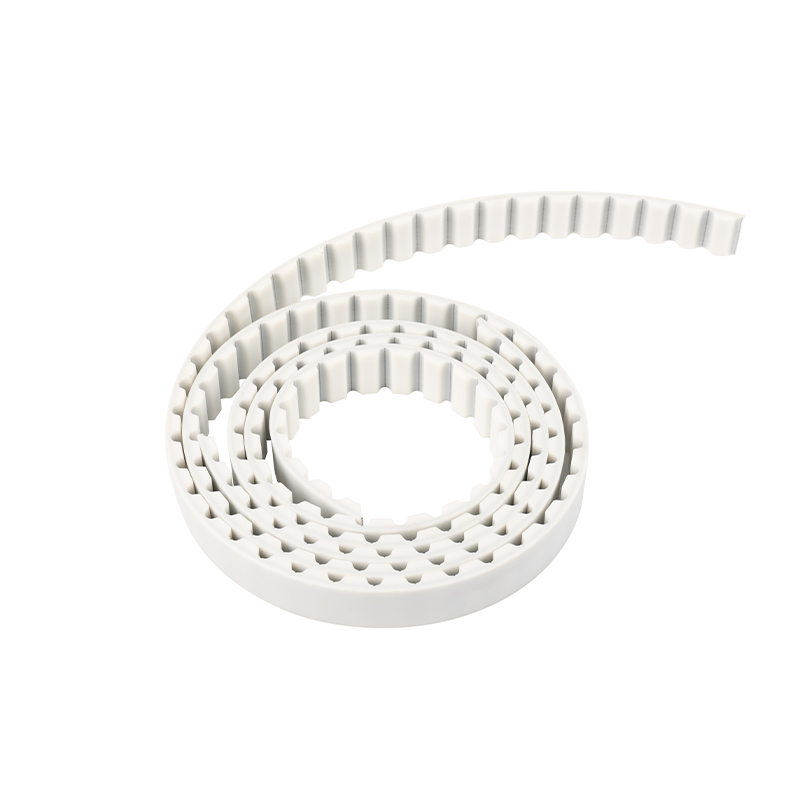
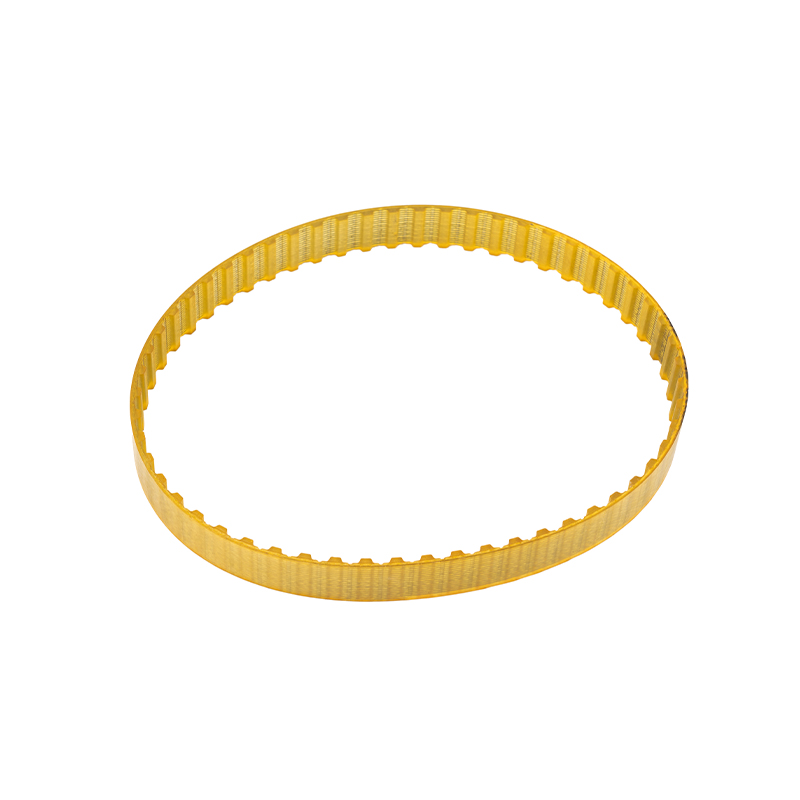
Changing a cam belt (timing belt) is a critical maintenance task that must be completed within the manufacturer's recommended interval — typically every 60,000 to 100,000 miles or every 4 to 6 years, whichever comes first. A failed cam belt causes the engine's crankshaft and camshaft to fall out of synchronization, resulting in catastrophic valve-to-piston contact in interference engines — a repair that can cost $3,000–$10,000 or more compared to a belt replacement costing $300–$1,000. Whether you are replacing a standard rubber timing belt or a more durable polyurethane (PU) timing belt, the replacement process follows the same fundamental sequence, though the correct belt material for your application matters greatly for long-term reliability.
Rubber Timing Belt vs. PU Timing Belt: Choosing the Right Replacement
Before beginning any cam belt replacement, understanding which belt material is correct for your engine is essential. The two dominant materials — rubber and polyurethane — have distinct performance profiles that affect service life, operating conditions, and replacement intervals.
Comparison of rubber timing belts and polyurethane (PU) timing belts across key performance parameters
| Property |
Rubber Timing Belt |
PU (Polyurethane) Timing Belt |
| Typical service life |
60,000–100,000 miles / 4–6 years |
Up to 150,000+ miles in industrial use |
| Temperature range |
−30°C to +110°C |
−50°C to +130°C |
| Oil/chemical resistance |
Moderate (degrades with oil exposure) |
Excellent (highly resistant to oils and solvents) |
| Abrasion resistance |
Good |
Excellent (3–5× more wear-resistant than rubber) |
| Noise level |
Quiet |
Slightly noisier at high speeds |
| Moisture/humidity resistance |
Moderate |
Excellent |
| Primary application |
Automotive engines (OEM standard) |
Industrial machinery, CNC, conveyor drives, some performance engines |
| Relative cost |
Lower |
Higher (20–50% premium over rubber) |
For standard automotive cam belt replacement, the OEM-specified rubber timing belt (typically reinforced with fibreglass or aramid cords) is the correct and recommended choice. Polyurethane timing belts excel in industrial drive applications, CNC machines, and specialized performance builds where oil contamination, extended intervals, or extreme temperature ranges are a factor. Always match the belt specification — pitch, width, tooth profile, and material — exactly to the manufacturer's requirement.
Tools and Parts Required Before You Start
Attempting a cam belt change without the correct tools risks engine damage or an improperly timed replacement that is worse than no replacement at all. Gather everything before disassembly begins — partial teardowns left overnight can lead to condensation, contamination, or forgotten steps.
Essential Tools
- Engine-specific timing lock kit — crankshaft locking pin, camshaft locking bar/plate; without these, setting correct TDC timing is guesswork
- Torque wrench (range covering 10–200 Nm for crankshaft bolt and tensioner)
- Breaker bar or impact wrench for crankshaft pulley bolt (commonly 80–200 Nm and often left-hand thread on some engines)
- Socket set (metric and imperial), ratchet extensions, and universal joints
- Tensioner release tool (spring-loaded or hydraulic tensioner specific)
- Marker pen or paint pen for timing mark reference
- Drain pan and engine jack/axle stands if engine mount removal is required
- Vehicle-specific workshop manual or verified online service data
Parts to Replace Simultaneously
Since accessing the cam belt requires full disassembly of the timing cover area, it is strongly recommended to replace all ancillary components at the same time. The labour cost of returning for these parts later far exceeds the cost of the parts themselves. A complete timing belt kit typically costs $80–$350 and includes:
- New timing belt (rubber or PU, as specified)
- Belt tensioner pulley and tensioner spring or hydraulic unit
- Idler pulley(s)
- Water pump (runs off the timing belt on most engines — failure of the water pump after a belt change means a complete redo)
- Camshaft and crankshaft front oil seals (exposed during disassembly; leaking seals contaminate and rapidly destroy the new belt)
- New crankshaft pulley bolt if single-use stretch bolt type
Step-by-Step Guide to Changing a Cam Belt
The following procedure covers the general sequence applicable to the majority of transversely mounted four-cylinder engines. Always cross-reference with your vehicle's specific workshop manual, as steps differ significantly between engine families — especially for V6, V8, or longitudinally mounted engines. Never attempt this job with a hot engine; allow at least 2 hours after running for full cooldown.
Phase 1: Preparation and Access
- Disconnect the negative battery terminal to eliminate the risk of the starter motor engaging during the procedure — a critical safety step.
- Raise and support the vehicle on axle stands if the crankshaft pulley or timing cover is accessed from below. Never rely on a jack alone.
- Remove the auxiliary drive belt(s) (alternator, power steering, air conditioning) first — these sit outboard of the timing components and must come off before the crankshaft pulley.
- Remove the engine undertray, wheel arch liner, or engine mount as required by the specific engine layout to access the timing cover. Many modern engines require removing the right-hand engine mount and supporting the engine on a jack with a wooden block.
- Remove the crankshaft pulley bolt. This bolt is extremely tight — typically 120–200 Nm plus an additional angle torque — and the crankshaft must be held stationary. Use a flywheel locking tool or a breaker bar with the vehicle in gear and brakes applied. Note: some engines use a left-hand thread crankshaft bolt — confirm before applying force.
- Remove the crankshaft pulley and timing cover (upper and lower sections). Mark or photograph the routing of any coolant hoses or wiring looms displaced during removal.
Phase 2: Setting Top Dead Centre (TDC) and Locking Timing
- Rotate the crankshaft clockwise (as viewed from the front of the engine) using a socket on the crankshaft sprocket centre bolt until the timing marks on the crankshaft sprocket, camshaft sprocket(s), and any auxiliary shaft sprockets align with their reference marks on the engine block and cylinder head. This is top dead centre (TDC) on cylinder 1 compression stroke.
- Install the engine-specific timing lock tools — crankshaft locking pin through the block into the crankshaft reluctor ring, and camshaft locking bar across the rear of the cam(s). These tools physically prevent any rotation once TDC is set. Do not proceed without these tools in place.
- Mark the old belt with a paint pen at each sprocket tooth engagement point as a reference, even though the new belt will be positioned to the timing marks, not the old belt's marks.
Phase 3: Removing the Old Belt and Components
- Release the belt tensioner. Spring-loaded tensioners are released by rotating the tensioner body against spring pressure and inserting a locking pin. Hydraulic auto-tensioners are released by pressing the piston back with a suitable tool and pinning it in the retracted position.
- Slide the old timing belt off all sprockets. Note its routing carefully — photograph it from multiple angles before removal. The belt must route identically on reassembly.
- Remove and inspect the tensioner, idler pulleys, and water pump. Spin each pulley by hand — any roughness, side play, or noise indicates bearing failure and that component must be replaced regardless of appearance.
- Inspect camshaft and crankshaft front oil seals for leakage. Even slight seeping will destroy a new rubber or PU timing belt within 20,000 miles. Replace any suspect seals now.
Phase 4: Installing the New Belt and Setting Tension
- Install the new water pump (with fresh gasket or O-ring and correct sealant if specified) and new tensioner/idler pulleys before fitting the belt. Torque all fasteners to specification.
- Verify all timing lock tools remain in position and all timing marks are still aligned before touching the new belt.
- Fit the new timing belt — whether a rubber timing belt or polyurethane timing belt — starting at the crankshaft sprocket, then following the manufacturer's specified routing sequence (typically: crankshaft → water pump → camshaft(s) → tensioner). Keep the belt taut on the non-tensioned side throughout fitting. Never force or lever a timing belt over a sprocket — this distorts the tension cord reinforcement and weakens the belt.
- Release the tensioner (remove the locking pin on spring-loaded types; allow hydraulic types to extend). The tensioner should apply firm, even pressure to the belt slack side. On manual tensioners, set belt deflection to the manufacturer's specification — typically 5–10 mm deflection under moderate thumb pressure at the midpoint of the longest free span.
- Remove all timing lock tools and rotate the engine by hand through two full crankshaft rotations clockwise (= one full camshaft cycle). Recheck that all timing marks re-align precisely at TDC. If marks are off by even one tooth, the belt must come off and be refitted — running an engine one tooth out of time causes rough idle, misfires, or immediate mechanical damage on interference engines.
Phase 5: Reassembly and Verification
- Refit the timing cover(s), crankshaft pulley, and crankshaft pulley bolt. Torque the crankshaft bolt to specification — this is commonly a two-stage process: a torque value followed by an angle (e.g., 100 Nm + 90°). Use a new bolt if the original is a stretch-to-yield type (most modern engines).
- Reinstall the engine mount, auxiliary belts, wheel arch liner, and any other removed components. Reconnect the battery.
- Start the engine and allow it to reach operating temperature. Listen for any unusual noise from the timing area. Check for coolant leaks from the new water pump. Verify oil pressure warning light extinguishes within 2 seconds of start.
- Clear any fault codes using an OBD-II scanner if the camshaft position sensor detected timing deviation during the procedure. Some vehicles store a camshaft timing fault code even if timing is now correct.
- Log the replacement mileage and date in the vehicle service record and set a reminder for the next interval.
Common Mistakes That Lead to Cam Belt Failure After Replacement
A significant proportion of post-replacement timing belt failures are caused by avoidable errors during the change process. The following mistakes account for the majority of premature belt failures seen by engine reconditioners:
- Not replacing the tensioner and idler pulleys: Bearing failure in a tensioner or idler pulley is the single most common cause of a new timing belt jumping or snapping. A worn bearing can seize suddenly at any mileage — an $8 bearing destroying a $200 belt and a $5,000 engine.
- Ignoring oil seal leaks: Even a minor camshaft seal seep deposits oil on the belt's tooth face. Oil causes rubber timing belt compounds to swell, delaminate, and lose friction with sprocket teeth. A contaminated belt can fail within 10,000–15,000 miles. Polyurethane timing belts have better oil resistance but are not immune to prolonged heavy contamination.
- Incorrect belt tension: An over-tensioned belt accelerates bearing wear on all rotating components and generates excess heat in the belt itself, shortening life by up to 50%. An under-tensioned belt can jump a tooth under load — particularly at cold start when oil viscosity is highest and camshaft resistance is greatest.
- Rotating the engine backwards: Turning the crankshaft anticlockwise (counter-clockwise) during setup can cause slack-side belt jump on tensioned systems. Always rotate clockwise only unless the service manual explicitly specifies otherwise.
- Using an incorrect belt specification: Fitting a belt with the correct tooth count but wrong pitch, width, or tooth profile creates misengagement with sprocket teeth, causing abnormal wear and potential skipping. Always verify part number against the vehicle VIN, not just make/model/year.
- Skipping the two-rotation verification check: Many technicians skip re-checking timing marks after releasing the tensioner and rotating the engine. A belt fitted one tooth off on a DOHC engine may appear plausible to the eye but will cause immediate misfires or mechanical damage on first start.
Warning Signs That Your Cam Belt Needs Changing Now
Cam belt condition cannot be reliably assessed by visual inspection alone on a running engine — degradation occurs internally within the belt's cord structure before external cracking appears. However, certain signs indicate a belt change should not be deferred:
- Approaching or exceeding the manufacturer's mileage or time interval — this alone is sufficient justification. The belt does not give warning before it snaps.
- No service history or unknown replacement date — on a used vehicle purchase, assume the belt is due and replace it before driving distance is accumulated.
- Visible cracking, glazing, or fraying on belt edges — visible on inspection with the timing cover partially removed. A glazed or oil-contaminated rubber belt has already been compromised and must be replaced immediately.
- High-pitched ticking or squealing from the cam belt cover area — often a failing tensioner or idler bearing, which will destroy the belt if not addressed immediately.
- Engine misfires without ignition or fuel cause — a timing belt that has jumped a tooth will cause a specific pattern of misfires that won't respond to spark plug or injector replacement.
- Oil leak from front of engine — camshaft or crankshaft front seal leaks contaminate the timing belt and require immediate replacement of both the seals and the belt.
Cam Belt Replacement Intervals by Common Engine Families
Replacement intervals vary significantly between manufacturers and engine types. The table below covers widely used engine families as a reference guide — always verify against the official service schedule for your specific engine code and model year.
Recommended cam belt replacement intervals for common passenger vehicle engine families — always verify against manufacturer service data for your specific engine code
| Manufacturer / Engine Family |
Interval (Miles) |
Interval (Years) |
Interference Engine? |
Notes |
| VW / Audi 1.9 TDI, 2.0 TDI (PD) |
60,000–80,000 |
4 |
Yes |
High failure risk if overdue; replace water pump simultaneously |
| Ford 1.6 Ti-VCT, 2.0 EcoBoost |
100,000 |
10 |
Yes |
Timing chain on some variants — confirm belt vs. chain before ordering |
| Toyota 2.0 D-4D (1AD-FTV) |
100,000 |
5 |
Yes |
Oil consumption issues on this engine can contaminate belt — inspect seals |
| Honda 1.6 i-DTEC, 2.2 i-CTDI |
100,000 |
6 |
Yes |
Labour-intensive access; budget for 5–7 hours of workshop time |
| Renault / Nissan 1.5 dCi (K9K) |
72,000–100,000 |
5 |
Yes |
Wet belt system on later variants — uses oil-bathed belt; different service requirements |
| BMW / Mini N47 2.0d |
N/A (chain) |
N/A |
Yes |
Timing chain at rear of engine — notorious for chain stretch failures; not a belt engine |
The Role of PU and Polyurethane Timing Belts in Industrial Drive Systems
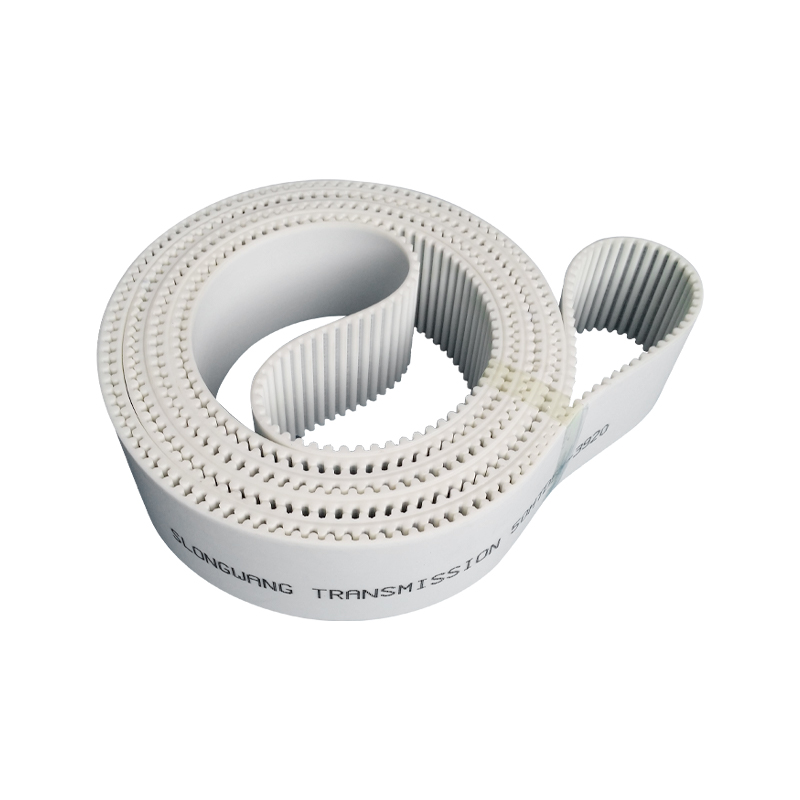
While automotive cam belt replacement uses rubber timing belts almost exclusively, polyurethane timing belts are the preferred choice for industrial synchronous drive applications — including CNC machining centres, 3D printers, textile machinery, packaging equipment, and conveyor positioning systems.
A PU timing belt's superior abrasion resistance means it maintains tooth geometry over a far longer service life than rubber alternatives — critical in applications where positional accuracy of ±0.1 mm or better must be maintained over millions of cycles. Steel or Kevlar cord reinforcement in polyurethane timing belts provides tensile strength with minimal elongation, preserving timing accuracy under variable loads.
When to Choose a Polyurethane Timing Belt Over Rubber
- Oil or coolant exposure is unavoidable in the drive environment — PU resists swelling and degradation where rubber fails within months
- Extended service intervals are required — industrial facilities cannot afford frequent shutdowns for belt changes; PU belts reduce maintenance frequency significantly
- Wide temperature swings or sub-zero operating environments — PU retains flexibility at −50°C where rubber becomes brittle and crack-prone
- High abrasion from particulate contamination (metal swarf, dust, fibres) — PU tooth faces wear at a fraction of the rate of rubber under these conditions
- Custom open-ended belt lengths are required — PU timing belts can be welded to precise lengths on-site, whereas rubber timing belts are only available in fixed closed-loop lengths
The replacement procedure for a PU timing belt in an industrial drive follows the same principles as automotive cam belt replacement — correct tension, verified alignment, simultaneous replacement of tensioners and idlers — but without the engine-specific timing lock tools required for valve train synchronisation.
DIY vs. Professional Cam Belt Replacement: Making the Right Call
Cam belt replacement is one of the most consequential DIY mechanical tasks a vehicle owner can undertake. The potential savings are real — workshop labour rates of $80–$150 per hour multiplied by 4–8 hours of labour means $320–$1,200 in labour costs alone on top of parts. However, the risks of an incorrect DIY replacement must be weighed honestly.
Suitable for Experienced DIY If:
- You have completed engine mechanical work before and are comfortable with torque specifications and assembly sequences
- The engine-specific timing lock kit is available to purchase or hire
- A verified workshop manual (not just a generic YouTube video) is available for the specific engine code
- You have access to a torque wrench capable of the crankshaft bolt specification and time to complete the job without rushing
Refer to a Professional Workshop If:
- The engine is an interference type and you are not fully confident in setting and verifying timing marks — a single tooth error causes immediate catastrophic damage on first start
- The engine requires engine mount removal, special installation sequences, or has known complications (e.g., wet-belt systems, rear-mounted timing)
- Timing lock tools are unavailable or prohibitively expensive for a single use
- The vehicle is within warranty or you require a service stamp for resale documentation


 Inquiry

 English
 中文简体
中文简体