Rubber timing belts should be replaced every 60,000 to 100,000 miles (or every 5–7 years) in automotive engines, and every 1–3 years in industrial machinery depending on load and environment. Polyurethane (PU) timing belts last significantly longer — typically 3–5 years or more in industrial applications — due to their superior resistance to abrasion, chemicals, and temperature extremes. The right replacement interval depends on belt material, operating conditions, load cycles, and the consequences of failure. In an engine, a snapped timing belt can cause catastrophic valve and piston damage costing $3,000–$8,000 or more; in a conveyor system, it means unplanned downtime. Either way, replacing too late is far more expensive than replacing on schedule.
Rubber Timing Belt Replacement Intervals
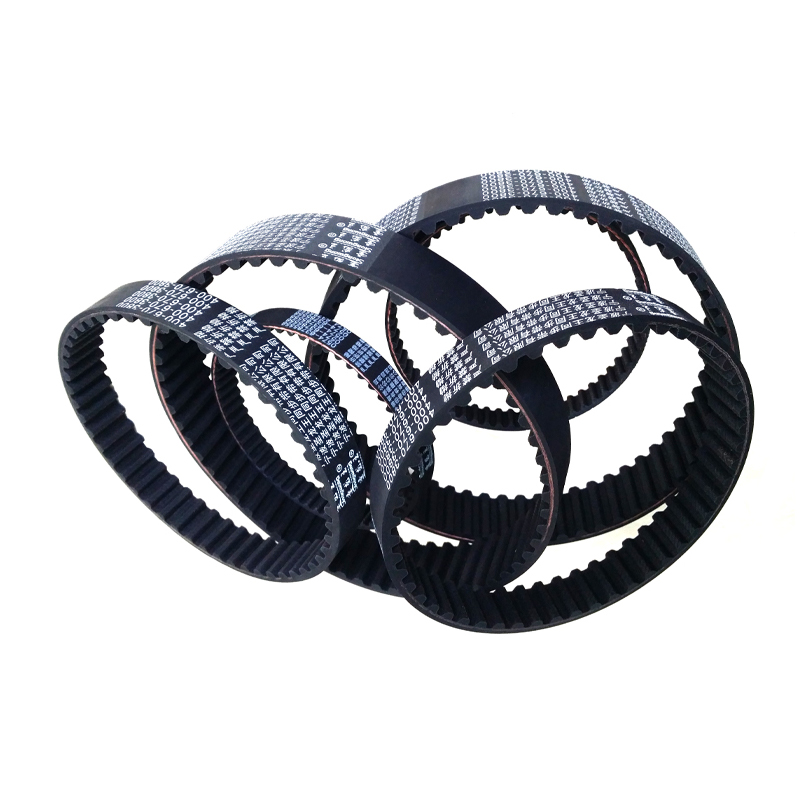
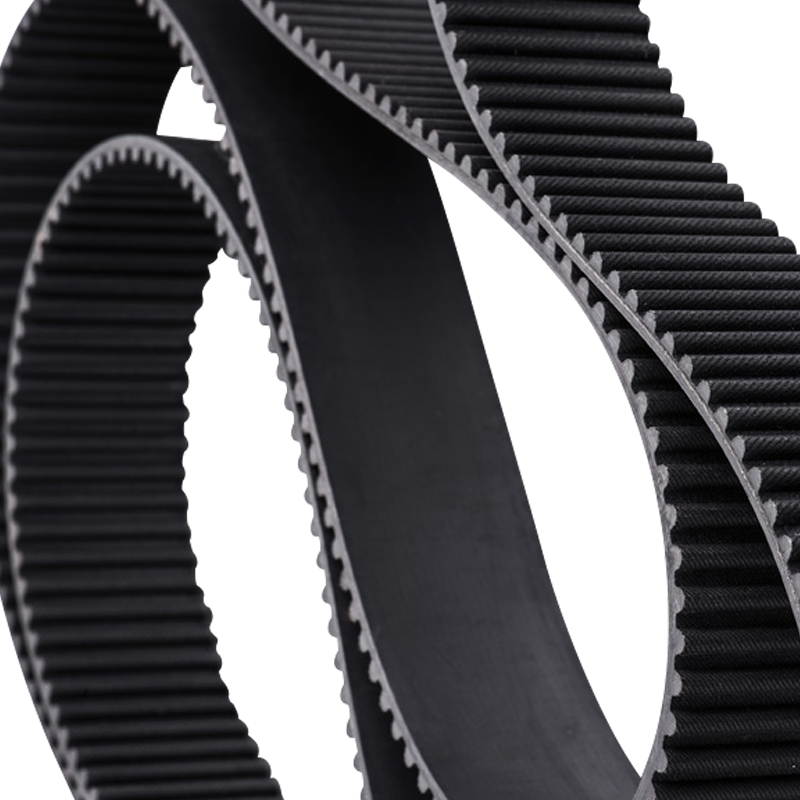
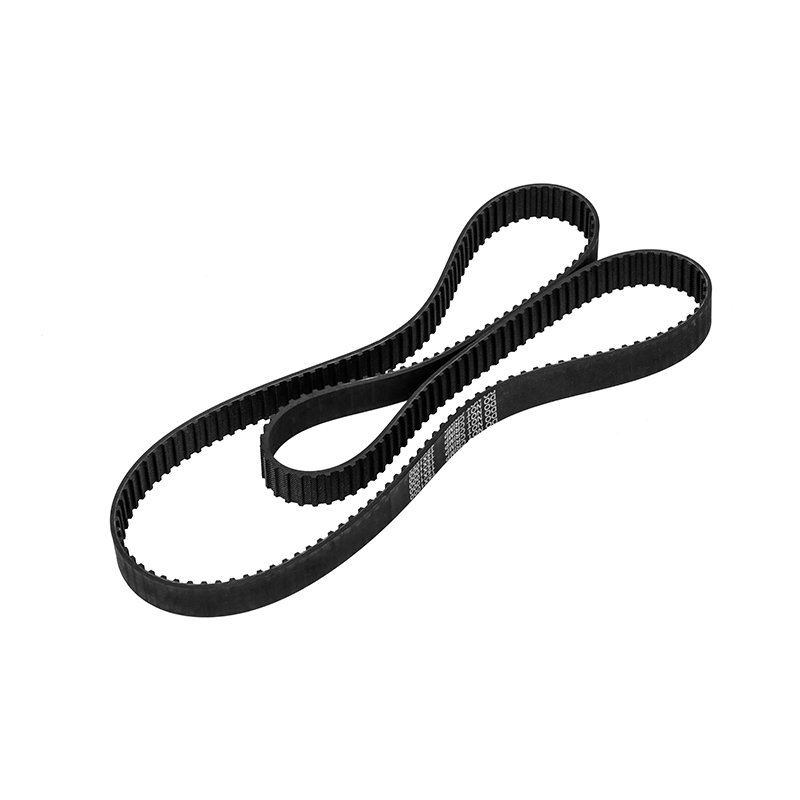
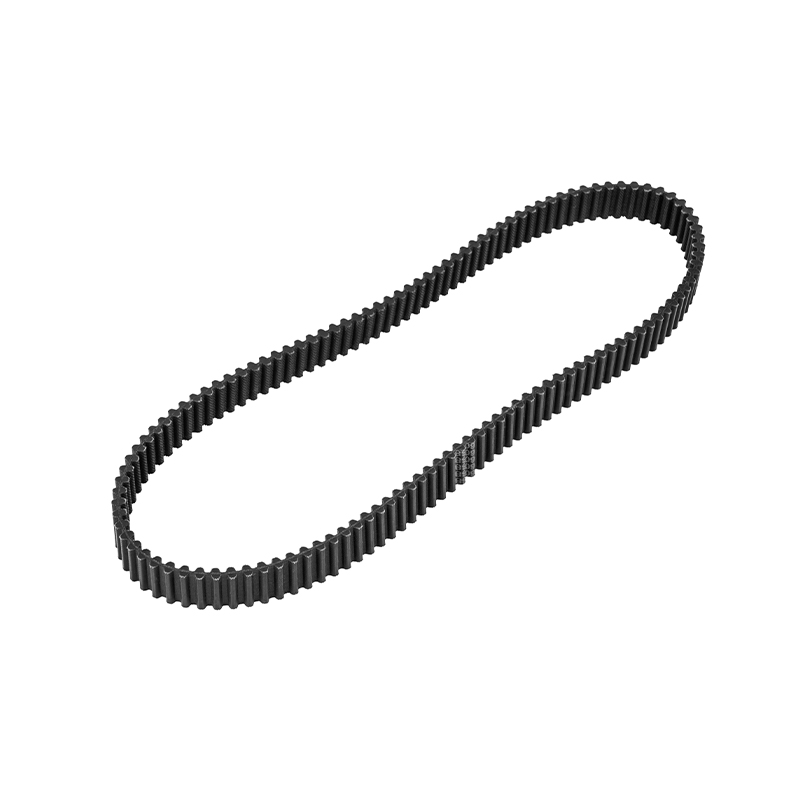
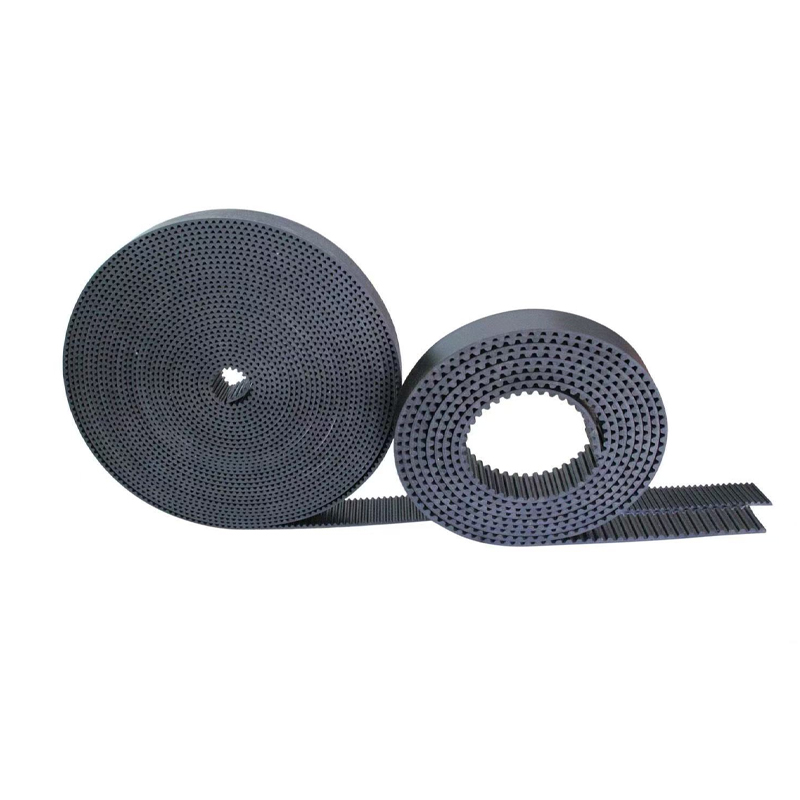
Rubber timing belts — constructed from neoprene or HNBR (hydrogenated nitrile butadiene rubber) reinforced with fiberglass or aramid (Kevlar) cords — are the standard in both automotive engines and many industrial drive systems. Their replacement interval varies significantly by application:
Automotive Engine Timing Belts
Most vehicle manufacturers specify replacement at 60,000–100,000 miles, though some modern HNBR belts are rated to 105,000–120,000 miles. Always follow the manufacturer's interval — not a generic rule — because engine design, belt width, and operating temperature vary considerably between models.
Equally important is the time-based interval. Rubber degrades through oxidation and heat cycling even when a vehicle is rarely driven. Most manufacturers specify a maximum of 5–7 years regardless of mileage. A car driven only 5,000 miles per year may still need belt replacement at 5 years, not 60,000 miles.
Common OEM timing belt replacement intervals for popular vehicle models
| Vehicle / Engine |
Mileage Interval |
Time Interval |
| Honda CR-V 2.4L (K24) |
N/A (timing chain) |
N/A |
| Toyota Camry 2.2L (5S-FE) |
60,000 miles |
5 years |
| VW / Audi 1.8T (AEB) |
75,000 miles |
5 years |
| Subaru EJ25 (DOHC) |
105,000 miles |
7 years |
| Honda Accord 3.0L (J30) |
105,000 miles |
7 years |
| Mitsubishi 4G63 (Evo) |
60,000 miles |
4 years |
Industrial Rubber Timing Belts
In industrial machinery — CNC machines, packaging equipment, printing presses, and conveyors — rubber timing belts typically have a service life of 1–3 years under continuous operation, or roughly 10,000–25,000 operating hours depending on load, speed, and environment. High-temperature environments above 85°C accelerate rubber degradation significantly, often halving expected service life.
Polyurethane Timing Belt Replacement Intervals
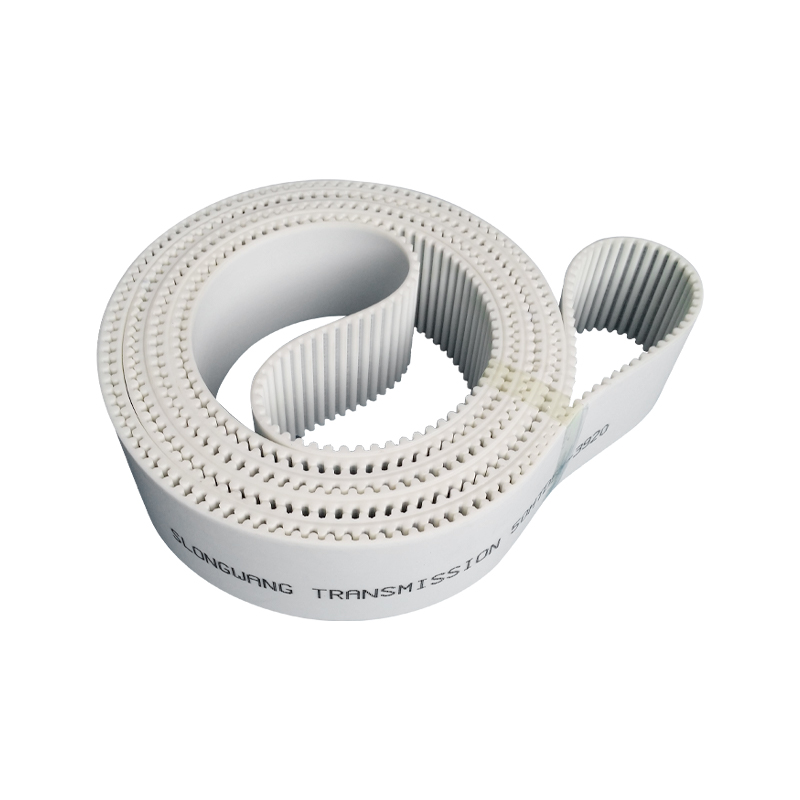
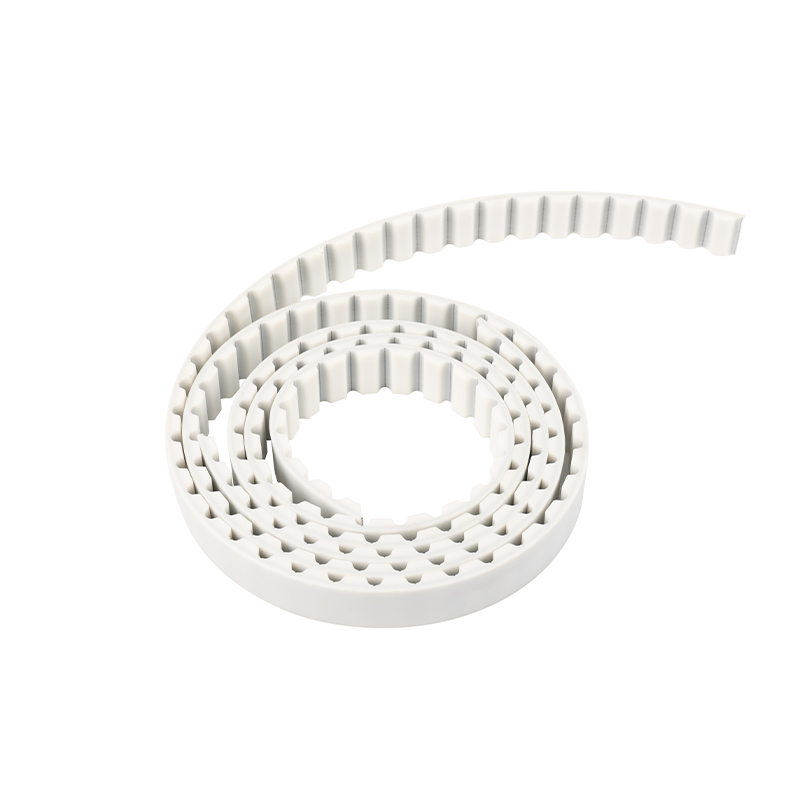
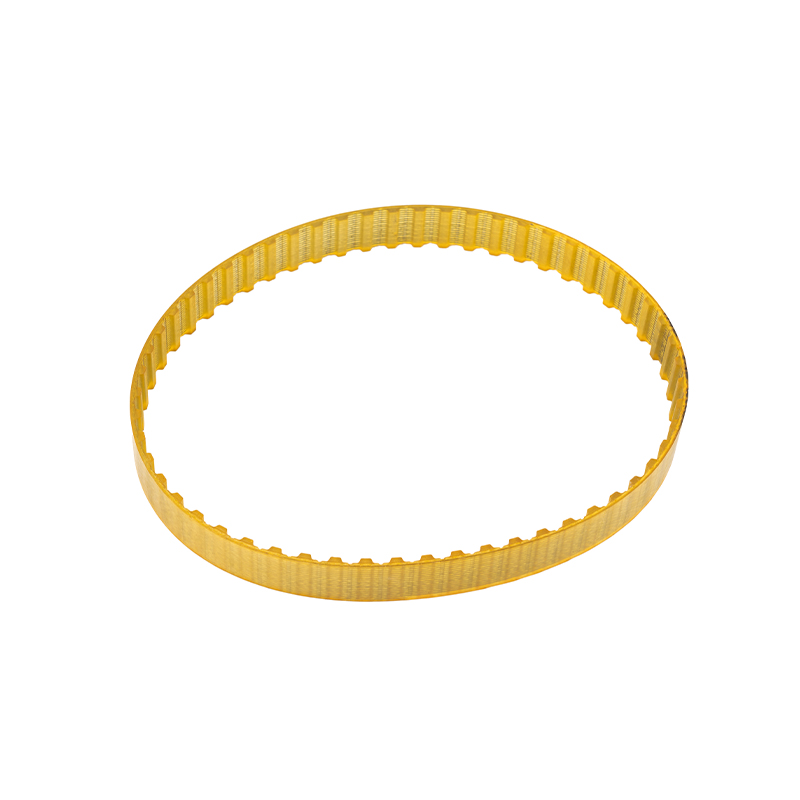
Polyurethane (PU) timing belts are the preferred choice in demanding industrial environments where rubber belts fall short. Manufactured from cast or thermoplastic polyurethane with steel or aramid tension cords, PU timing belts offer a fundamentally different wear profile from their rubber counterparts.
In standard industrial applications, a well-maintained PU timing belt can last 3–8 years, and in some low-load, clean-environment applications, service lives exceeding 10 years have been documented. The key reasons for this extended life include:
- Abrasion resistance: PU has a wear resistance rating 3–5× higher than standard neoprene rubber, making it far more durable in environments with particulate contamination.
- Chemical resistance: PU withstands oils, greases, ozone, and many industrial solvents that degrade rubber within months.
- Temperature range: Standard PU timing belts operate from –30°C to +80°C, with specialty grades rated to +100°C — comparable to HNBR rubber but with better chemical resistance across that range.
- Dimensional stability: PU belts exhibit less elongation under load than rubber, maintaining tooth pitch accuracy critical for precision positioning in robotics and CNC systems.
Despite longer service life, PU timing belts are not maintenance-free. Annual inspection is still recommended, and replacement should be triggered by condition assessment rather than a fixed interval alone.
Rubber vs Polyurethane Timing Belt: Replacement and Performance Compared
Understanding the key differences between rubber and PU timing belts helps clarify why their replacement schedules differ so substantially:
Comparison of rubber and polyurethane timing belt properties relevant to service life and replacement planning
| Property |
Rubber Timing Belt |
PU Timing Belt |
| Typical service life (industrial) |
1–3 years |
3–8+ years |
| Temperature resistance |
–40°C to +100°C (HNBR) |
–30°C to +80°C (standard) |
| Abrasion resistance |
Moderate |
Excellent (3–5× rubber) |
| Oil / chemical resistance |
Moderate (HNBR) to poor (neoprene) |
Good to excellent |
| Dimensional stability |
Moderate — stretches under sustained load |
High — maintains pitch accuracy |
| Flexibility / bend radius |
Excellent — handles small pulleys |
Good — stiffer, needs larger pulleys |
| Noise level |
Low |
Slightly higher at speed |
| Cost per belt |
Lower upfront cost |
Higher upfront, lower lifecycle cost |
| Primary applications |
Automotive engines, general machinery |
Robotics, CNC, food processing, conveyors |
Factors That Shorten Timing Belt Life
Several operating conditions can dramatically reduce service life below the manufacturer's stated interval for both rubber and PU belts. Recognizing these factors helps set a more accurate replacement schedule:
Heat and Temperature Cycling
Heat is the primary enemy of rubber timing belts. For every 10°C increase above the rated operating temperature, rubber belt life is roughly halved — a principle known as the Arrhenius degradation rule. An engine running consistently hot (coolant temperature above 105°C) may need belt replacement 20–30% earlier than the standard interval. Oil leaks onto a rubber belt accelerate this process further, as petroleum-based oils swell and soften neoprene and degrade HNBR compounds.
Misalignment and Incorrect Tension
Both over-tensioning and under-tensioning cause premature failure. An over-tensioned rubber belt places excessive stress on tension cords and bearing loads on pulleys — a belt running at 20% over specified tension can lose up to 50% of its expected service life. Under-tensioned belts skip teeth under load, causing immediate timing errors or catastrophic failure. Misaligned pulleys create uneven edge loading, accelerating cracking on one side of the belt.
Contamination
Oil, coolant, power steering fluid, or water contamination on a rubber timing belt can reduce remaining life to as little as 10–20% of its original interval. If any contamination is confirmed during an inspection, the belt should be replaced immediately regardless of mileage or hours.
High-Load and High-Cycle Operation
Industrial machines running 24/7 in three-shift operations accumulate operating hours 3× faster than single-shift equipment. A rubber belt rated for 2 years on a single-shift machine may need replacement every 8–10 months under continuous operation. PU belts are better suited to high-cycle applications precisely because their fatigue resistance per flex cycle is significantly higher.
Warning Signs That a Timing Belt Needs Replacement Now
Never wait for a fixed interval alone — inspect belts regularly and replace immediately if any of the following signs are present:
- Cracking or glazing on the belt back: Fine transverse cracks (crazing) on the rubber back surface indicate thermal aging and imminent failure. Any cracking deeper than the surface layer is cause for immediate replacement.
- Tooth wear or shearing: Worn, rounded, or partially sheared teeth indicate the belt has been slipping under load. Continued operation risks complete tooth stripping and instantaneous failure.
- Fraying or cord exposure on belt edges: Lateral fraying indicates pulley misalignment. Exposed tension cords mean the belt is structurally compromised — failure is imminent.
- Oil or fluid contamination: A shiny, swollen, or soft belt surface. Replace immediately and fix the source of contamination before installing a new belt.
- Unusual engine noise (automotive): A high-pitched squealing or ticking from the timing cover area can indicate a belt running loose, a failing tensioner, or a worn idler pulley — all of which accelerate belt wear.
- Positioning errors (industrial PU belts): If a CNC machine or robot starts producing out-of-tolerance parts with no other explanation, inspect the timing belt for elongation, tooth wear, or cord fatigue — PU belts fail gradually through dimension loss before visible surface damage appears.
What to Replace Along With the Timing Belt
In automotive engines, replacing only the belt while leaving worn ancillary components is a false economy. The tensioner, idler pulley(s), and water pump (if driven by the timing belt) should always be replaced as a kit because their failure will destroy a brand-new belt immediately. A timing belt kit including these components typically costs $150–$400 in parts — versus $3,000–$8,000 in engine damage from a snapped belt on an interference engine.
In industrial systems, replace the following components when changing a rubber or PU timing belt:
- Tensioner bearings: Bearing failure is a leading cause of premature belt wear in industrial drives. If the bearing shows any roughness or play, replace it with the belt.
- Idler pulleys and flanges: Inspect for wear on the pulley surface and flange edges. Grooved or scored pulleys damage new belts within days.
- Drive and driven sprockets: Sprocket tooth wear causes belt-to-tooth mismatch, leading to noise, vibration, and accelerated tooth shear. Replace sprockets if tooth flanks show visible hooking or asymmetric wear.
- Shaft seals (if applicable): Any seal that could leak oil or process fluid onto the new belt should be replaced at the same service interval.
Building a Timing Belt Replacement Schedule
A reliable replacement schedule combines manufacturer interval guidance with condition-based monitoring. Follow this approach to build one for any application:
- Start with the OEM or belt manufacturer's interval: This is your baseline. For automotive engines, it is non-negotiable. For industrial belts, treat it as a maximum under ideal conditions.
- Apply an environmental correction factor: High temperature, chemical exposure, or heavy contamination risk — reduce interval by 25–40%. Clean, climate-controlled environment — maintain or slightly extend the standard interval.
- Account for duty cycle: Continuous 24/7 operation triples hour accumulation versus single-shift use. Calculate actual operating hours and compare to hour-based life ratings rather than calendar time alone.
- Schedule visual inspections at 50% of the interval: Mid-life inspection catches contamination events, misalignment, or abnormal wear before they cause failure. Document findings to refine future intervals.
- Replace on whichever limit is reached first: Mileage, hours, or calendar time — whichever threshold arrives first triggers replacement. Never defer because one metric looks acceptable if another has been exceeded.


 Inquiry

 English
 中文简体
中文简体