
 Inquiry

 English
 中文简体
中文简体
Industry News
Home / News / Industry News / How Trapezoidal Tooth Timing Belts Improve Reliability in Mechanical Systems
2026-01-07
Content
In the world of mechanical systems, reliability is a key factor that determines the efficiency, longevity, and performance of various machinery and equipment. One critical component in many industrial and mechanical systems is the timing belt. Used to transmit motion and power between machine components, timing belts are essential in ensuring that systems operate smoothly and without interruptions. Among the different types of timing belts, trapezoidal tooth timing belts stand out for their ability to deliver reliable, precise, and efficient performance.
Trapezoidal tooth timing belts are commonly used in industries such as automotive, robotics, manufacturing, and HVAC systems. Their unique tooth profile and construction offer several advantages over other types of belts, particularly when it comes to reliability and performance in demanding applications.
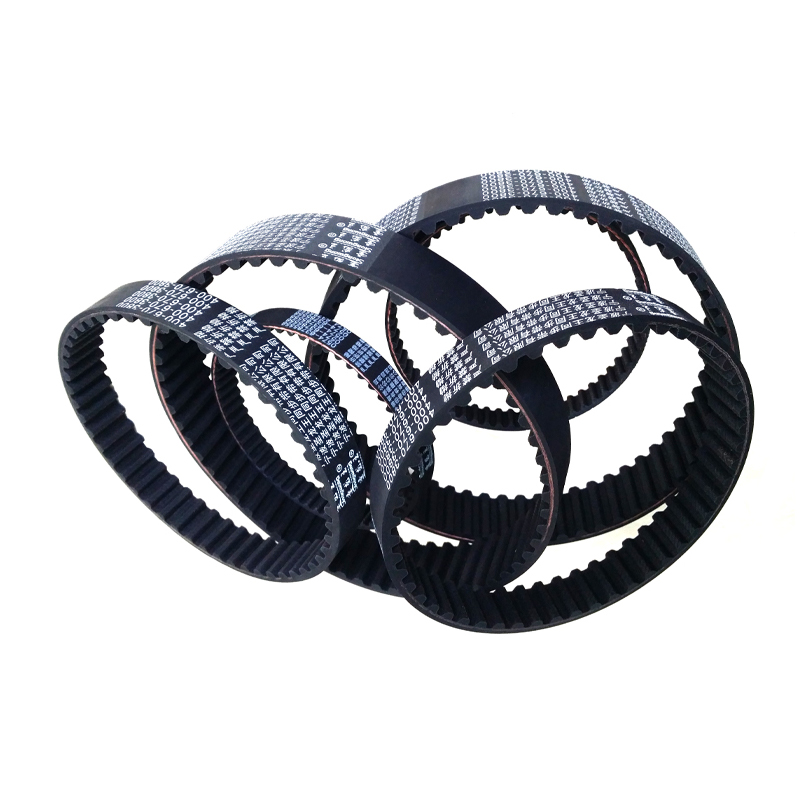
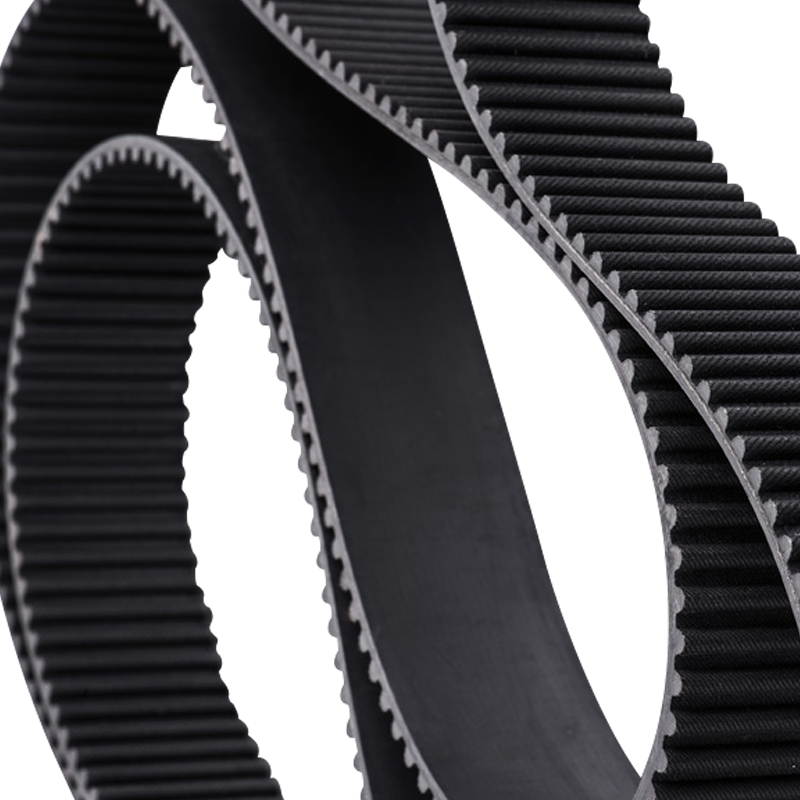
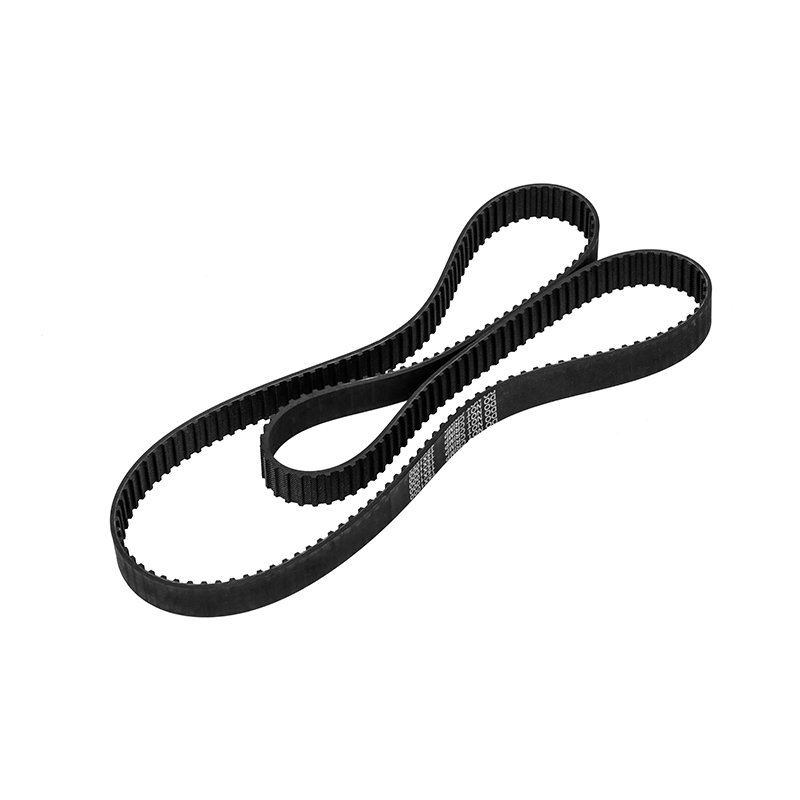
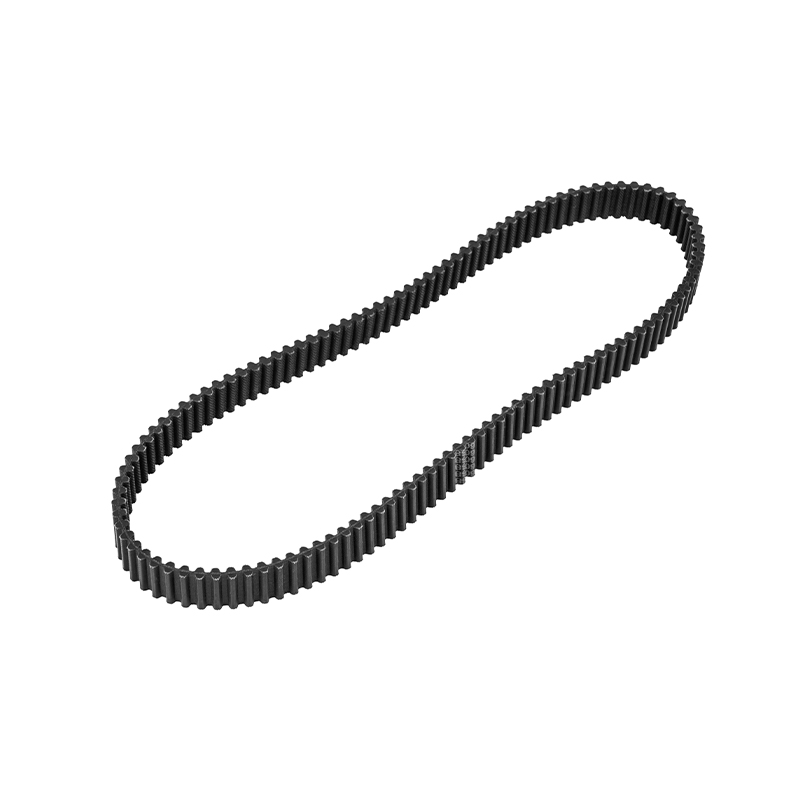
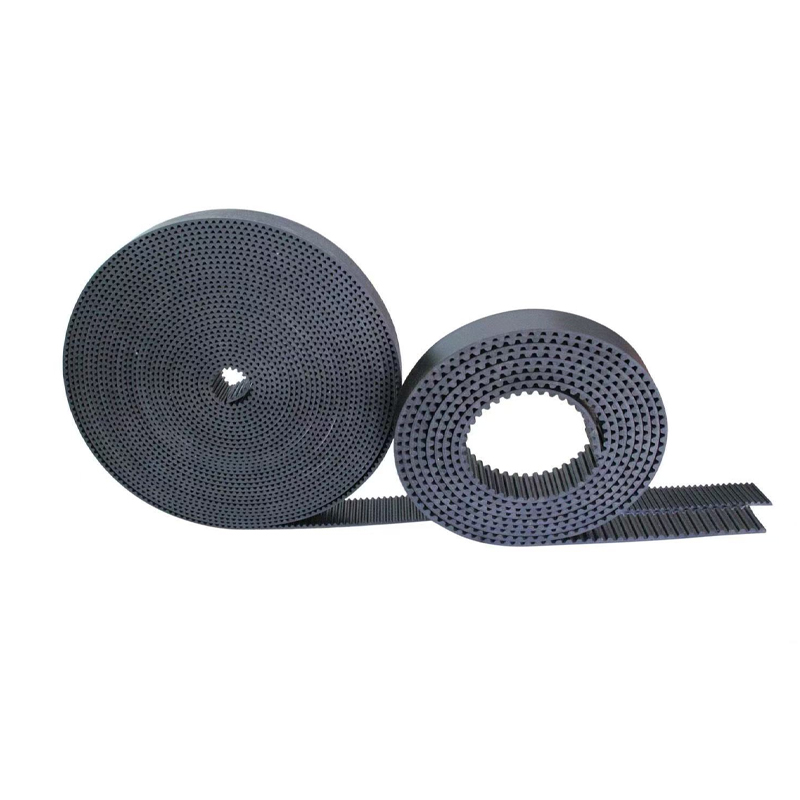
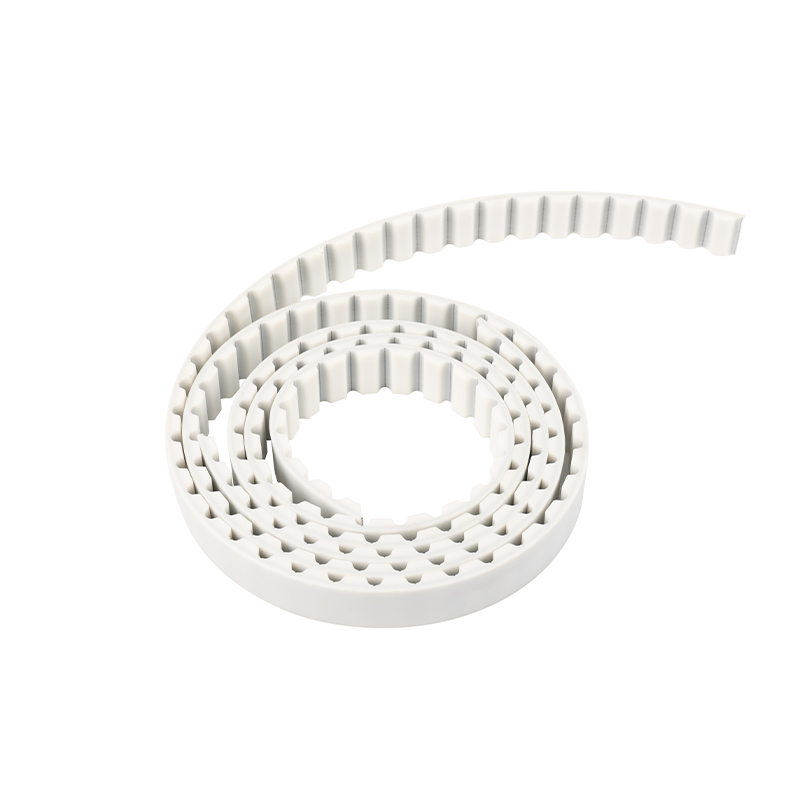
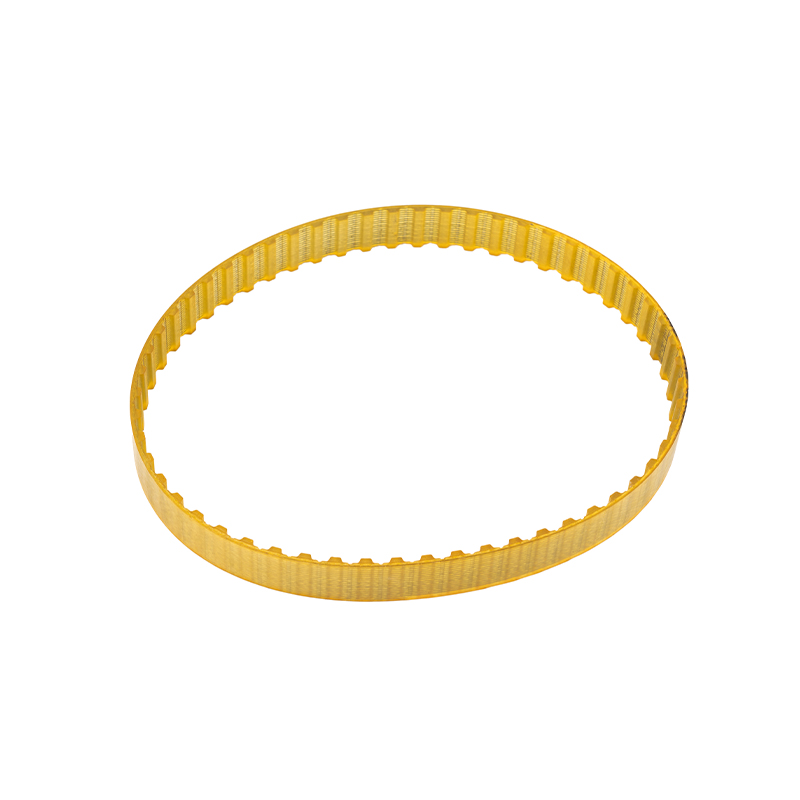
Before diving into the specifics of their benefits, it's essential to understand what trapezoidal tooth timing belts are and how they function. A trapezoidal tooth timing belt features teeth that are shaped like a trapezoid, as opposed to round or square teeth found in other timing belt types. The trapezoidal shape helps to distribute the load more evenly across the belt, resulting in better contact with the pulley and improved performance under high loads.
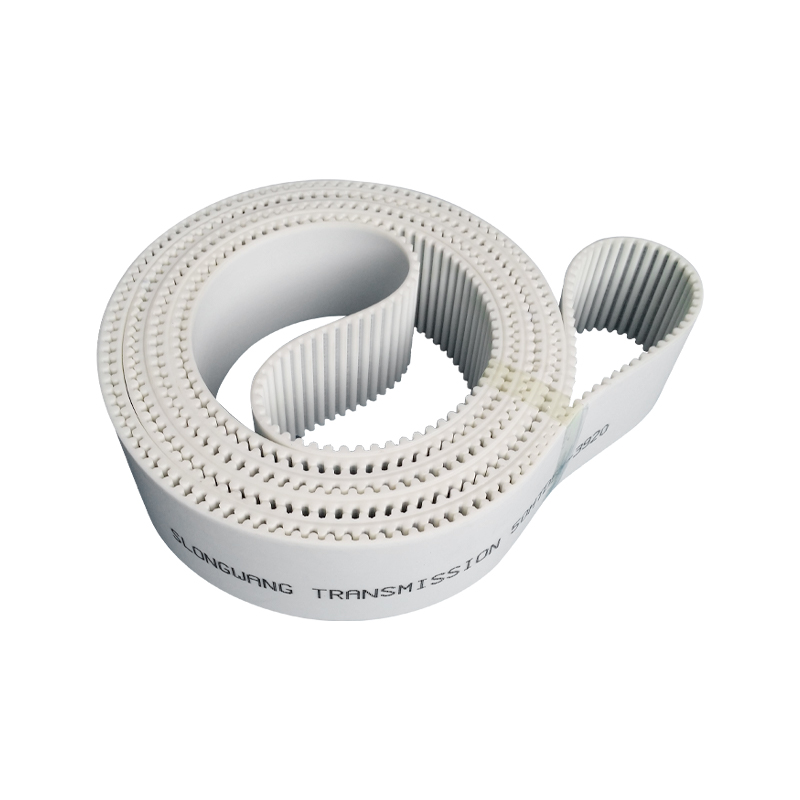
The timing belt is typically made of durable materials like polyurethane, rubber, or a combination of both, often reinforced with fibers such as fiberglass or steel for added strength. The teeth of the trapezoidal timing belt mesh with matching grooves in the pulley, allowing for precise synchronization of movement between rotating components. This precise synchronization is what makes timing belts, especially trapezoidal ones, an essential component for systems requiring exact timing and motion.
One of the most significant advantages of trapezoidal tooth timing belts is their ability to provide precise power transmission. The unique trapezoidal tooth profile ensures that the belt meshes perfectly with the pulley, minimizing the risk of slipping or misalignment. This results in smoother operation and greater accuracy, which is crucial in applications where timing and synchronization are paramount.
In systems such as CNC machines, automotive engines, and robotics, precise power transmission is essential for maintaining accuracy. A small deviation in timing can lead to significant errors, potentially compromising the entire system. Trapezoidal tooth timing belts help eliminate these issues by ensuring a secure fit and preventing any slippage, which enhances the overall reliability of the system.
The construction of trapezoidal tooth timing belts is designed to minimize friction and wear, two of the most common factors that contribute to the degradation of mechanical systems. The trapezoidal tooth shape provides better contact between the teeth and the pulley, reducing the amount of friction generated during operation. This not only prolongs the life of the belt but also decreases the need for frequent maintenance and replacements.
Over time, belts that experience high friction can wear down quickly, resulting in system inefficiency, increased downtime, and higher operational costs. However, with the trapezoidal tooth design, the wear and tear are spread more evenly, reducing the strain on individual components. This contributes to a longer service life for both the belt and the overall mechanical system.
Trapezoidal tooth timing belts are known for their ability to handle higher loads compared to other types of timing belts. The trapezoidal shape ensures better distribution of the forces acting on the belt, which reduces the risk of failure under high-stress conditions. The even distribution of force allows the belt to transmit power more efficiently, even in applications that require high torque or heavy loads.
This makes trapezoidal tooth timing belts a popular choice for industries that involve heavy machinery or high-performance systems. For example, in the automotive industry, where timing belts are responsible for synchronizing the engine’s various components, the ability to handle high torque and continuous stress is essential. The durability and load-bearing capacity of trapezoidal tooth timing belts contribute significantly to the reliability and performance of the system, even under challenging conditions.
The efficiency of a timing belt directly impacts the performance of the mechanical system. Trapezoidal tooth timing belts offer high mechanical efficiency due to their precise tooth profile and optimal engagement with the pulleys. This reduces energy loss, making the system run more efficiently and helping to lower operational costs.
In industries like manufacturing and automation, where efficiency is key to productivity, the use of trapezoidal tooth timing belts can lead to significant improvements in the overall system's performance. By minimizing energy waste and ensuring consistent, smooth motion, these belts help maintain optimal operational efficiency and reduce the likelihood of system downtime caused by mechanical failures.
Noise reduction is another benefit offered by trapezoidal tooth timing belts. The way the teeth of the belt mesh with the pulley plays a role in reducing vibrations and noise during operation. The trapezoidal design ensures that the belt runs smoothly, with less friction and fewer vibrations compared to other belt types. This leads to quieter operation, which is particularly important in environments where noise levels need to be minimized, such as in office spaces, laboratories, or manufacturing floors.
In addition to improving workplace comfort, quieter operation also contributes to the longevity of the equipment. Excessive noise can often be a sign of mechanical issues or inefficiencies, but with trapezoidal tooth timing belts, the system operates at optimal levels, reducing the potential for wear caused by vibrations.
The reliability of a mechanical system is closely linked to the amount of maintenance it requires. Systems that require frequent repairs or replacements are not only costly but also result in increased downtime and decreased productivity. Trapezoidal tooth timing belts are designed to minimize maintenance needs, thanks to their durable construction and wear-resistant properties.
The efficient transfer of power, combined with the reduced friction and wear, means that trapezoidal tooth timing belts require less frequent maintenance compared to other types of belts. For example, many industrial systems equipped with trapezoidal tooth timing belts can operate for extended periods without needing to be replaced or repaired. This reduces maintenance costs and ensures that the system remains reliable over time.
Another reason why trapezoidal tooth timing belts contribute to the reliability of mechanical systems is their versatility. These belts can be used in a wide range of applications, from automotive engines to high-precision industrial machines. Whether it’s for low-speed applications or high-speed machinery, trapezoidal tooth timing belts can be customized to meet the specific needs of the system.
This versatility makes them suitable for a variety of industries, including automotive, robotics, HVAC, packaging, and many others. In each of these sectors, the ability to maintain consistent performance and reliability is critical, and trapezoidal tooth timing belts help ensure that these demands are met.
While the initial cost of trapezoidal tooth timing belts may be higher than some other types of belts, their long-term cost-effectiveness is undeniable. The reduced need for maintenance, longer lifespan, and improved efficiency contribute to lower overall operating costs. When factoring in the reduced downtime, less frequent replacements, and improved performance, trapezoidal tooth timing belts often prove to be a more cost-effective solution in the long run.
For businesses focused on maximizing return on investment (ROI), using trapezoidal tooth timing belts can lead to substantial savings over time. The combination of durability, efficiency, and reliability makes these belts a sound investment for mechanical systems that need to perform consistently over extended periods.

Model:
Model:
Model:
Model:
Model:

No. 6, Longrui Middle Road, Longzhen Avenue, Longshan Town, Cixi City, Ningbo City, Zhejiang Province, China
Tel: +86-400-670-3800
Tel: +86-574-58967770
Phone: +86-18867628822
FAX: +86-574-63990099
Email: llm@cn-slw.com